FirstEnergy Corp. Reports Robust Q3 2026 Performance and Advances in Grid Modernisation
Financial Performance FirstEnergy Corp. delivered a third‑quarter earnings per share (EPS) of approximately $0.10, surpassing analysts’ expectations and reflecting a year‑over‑year increase of roughly 25 %. Revenue reached a new all‑time high, totaling just over $4 billion, driven by incremental sales across its regulated and non‑regulated operations. The company reaffirmed its full‑year 2026 guidance, underscoring confidence in sustaining this performance trajectory despite a volatile utility environment marked by rising fuel costs, regulatory uncertainty, and evolving market structures.
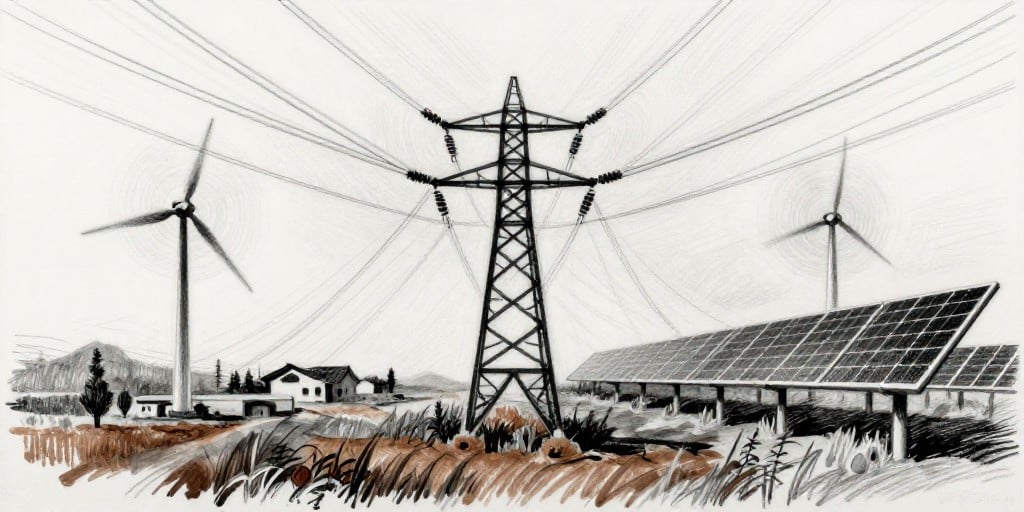
Strategic Investments in Transmission Technology The corporation’s transmission arm, Keystone Appalachian Transmission Company, was selected to pilot a federally funded grid‑modernisation initiative. The project, funded through the Department of Energy’s SPARK (Smart Power Applications for Resilient Knowledge) program and coordinated by the Electric Power Research Institute, will retrofit an existing high‑voltage line between Butler and Karns City, Western Pennsylvania.
- Objective: Deploy advanced monitoring and control equipment to enhance reliability and capacity without constructing new transmission corridors.
- Timeline: Installation slated for early 2027, with performance metrics to be evaluated against current reliability benchmarks.
This investment aligns with a broader industry trend toward grid hardening—leveraging digital technologies to preempt outages, optimize power flows, and accommodate renewable integration. FirstEnergy’s participation positions it to capture early lessons and cost‑savings that may translate into competitive advantage across its service territories.
Community Engagement and Corporate Responsibility FirstEnergy’s philanthropic arm reported a $500,000 increase to its annual housing‑support grant program, a 10 % rise over the previous year. The foundation distributed more than $850,000 in total grants to community organisations in West Virginia and Maryland throughout 2026. These initiatives underscore the company’s commitment to local economic development and social stability, critical factors for maintaining the public trust that underpins utility operations.
Implications for the Energy Sector
- Financial Resilience – The company’s earnings growth amid regulatory pressures illustrates a model of disciplined cost management paired with strategic revenue diversification.
- Technology Adoption – Grid‑modernisation pilots like SPARK demonstrate how utilities can incrementally upgrade infrastructure, mitigating capital expenditures while enhancing service reliability.
- Stakeholder Value – Community outreach reinforces the social license to operate, a non‑financial asset that increasingly influences long‑term profitability and risk mitigation.
Broader Economic Context The energy sector is navigating a confluence of drivers:
- Regulatory Shifts: Emission standards and decarbonisation targets continue to reshape asset valuations.
- Market Volatility: Energy prices remain sensitive to geopolitical events and supply‑chain dynamics.
- Technological Disruption: Digital twins, AI‑driven grid analytics, and distributed generation are redefining asset management and customer engagement.
FirstEnergy’s recent disclosures suggest it is effectively positioning itself within these dynamics—leveraging robust financial fundamentals, embracing transformative technology, and maintaining strong community ties. This blend of operational excellence and strategic foresight may serve as a benchmark for other utilities confronting similar challenges in an increasingly complex and interconnected energy landscape.