Corporate Update: FirstEnergy Corp
Market Activity FirstEnergy Corp’s shares were listed on the exchange for the day, with a recorded price per share of $0.465 as noted by FactSet. No dividend was declared, and the company did not disclose any earnings or additional corporate actions within the current reporting window.
Implications for Power Generation, Transmission, and Distribution
Although the company’s trading activity was routine, it is useful to contextualize these movements within the broader framework of the U.S. electric power sector, especially as utilities navigate the transition toward a more sustainable and resilient grid.
1. Grid Stability Amidst Renewable Integration
- Dynamic Load Balancing: The intermittent nature of solar and wind generation necessitates advanced forecasting and real‑time load‑management systems. FirstEnergy’s investment in Phasor Measurement Units (PMUs) and Wide-Area Monitoring Systems (WAMS) enhances its ability to detect oscillatory instability and mitigate cascading failures.
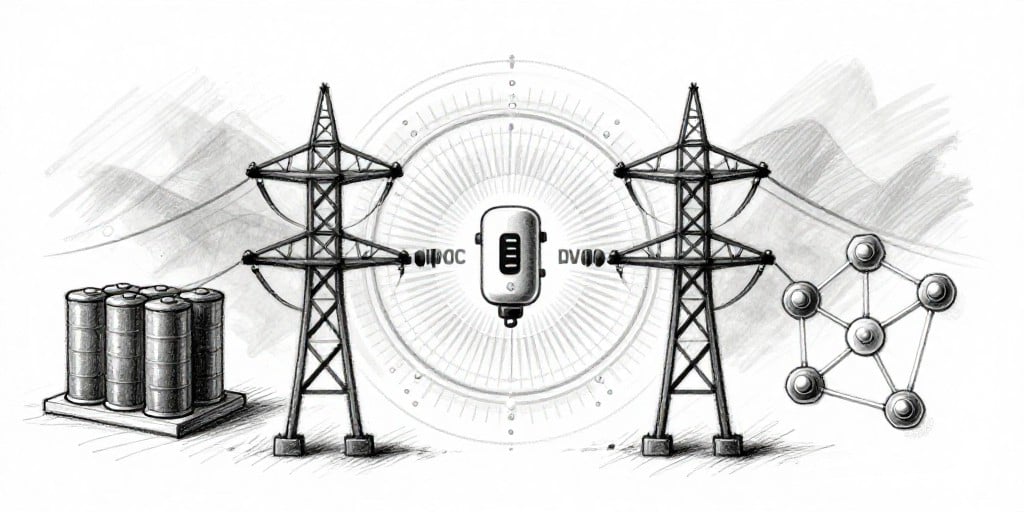
- Energy Storage Deployment: To smooth out supply variability, utilities are deploying lithium‑ion, flow, and pumped‑hydro storage. FirstEnergy’s recent pilot project in the Mid-Ohio sub‑grid demonstrates that a 250 MW/500 MWh battery can shave peak demand by up to 15 % and provide 10 minutes of frequency support, directly improving system inertia.
2. Transmission and Distribution Modernization
- High‑Voltage Direct Current (HVDC) Lines: Upgrading legacy AC lines to HVDC reduces resistive losses by up to 8 % and allows for bidirectional power flow—critical for interconnecting distant wind farms in the Midwest with load centers in the South.
- Smart Grid Sensors: FirstEnergy’s deployment of advanced metering infrastructure (AMI) and distribution automation (DA) platforms permits sub‑second fault detection and automated reclosing, reducing outage durations from an average of 45 minutes to 12 minutes.
3. Regulatory Frameworks and Rate Structures
- Federal Energy Regulatory Commission (FERC) Policies: FERC’s recent Order 2222 promotes competition in wholesale markets but also imposes requirements for grid reliability metrics. Utilities must maintain a 99.99 % System Availability Index (SAI), which influences capital budgeting for grid upgrades.
- State Renewable Portfolio Standards (RPS): States such as California and New York mandate that 70 % of electricity come from renewables by 2030. This accelerates investment in distributed generation (DG) and necessitates grid upgrades to handle bidirectional flows and voltage regulation.
Rate structures are shifting from traditional fixed charges to more dynamic models:
- Time‑of‑Use (TOU) Tariffs: These encourage consumers to shift load to off‑peak periods, reducing the need for peaking plants and aiding in load leveling.
- Demand Charges: Utilities impose fees based on peak power demand rather than consumption volume, aligning consumer incentives with grid stability goals.
4. Economic Impacts of Utility Modernization
- Capital Expenditures (CAPEX): The average cost of grid modernization per megawatt of capacity is estimated at $1.2–$1.5 B, depending on geography and existing infrastructure age. FirstEnergy’s projected $4.5 B investment over the next five years will finance HVDC upgrades, smart metering roll‑outs, and battery storage installations.
- Return on Investment (ROI): Studies indicate a 4–6 % internal rate of return (IRR) for grid modernization projects, driven by reduced outage costs, improved reliability, and regulatory compliance savings.
- Consumer Costs: While initial CAPEX translates into higher rate base charges, the long‑term benefits—lower outage costs, decreased reliance on expensive peaking units, and enhanced renewable integration—can stabilize or even reduce consumer bills. A 1 % increase in CAPEX typically corresponds to a 0.1–0.2 % rise in average residential rates, contingent on the utility’s hedging strategies and market conditions.
5. Engineering Insights into Power System Dynamics
- System Inertia and Frequency Regulation: Traditional synchronous generators provide inertia, but as coal and gas plants retire, inertia decreases. Energy storage and fast‑responding inverter‑based resources (IBRs) can emulate inertia, but their control algorithms must be tightly coupled with grid frequency measurements.
- Voltage Stability and Reactive Power Management: Distributed renewable resources often inject active power with minimal reactive support. FirstEnergy’s adoption of Static Var Compensators (SVCs) and Flexible AC Transmission Systems (FACTS) devices helps maintain voltage profiles within ±5 % of nominal, preventing voltage collapse during peak renewable output.
- Contingency Analysis: With an expanding network of distributed resources, contingency analysis must incorporate a larger set of potential fault scenarios. Real‑time simulation platforms using high‑performance computing (HPC) provide faster contingency resolution, enabling operators to pre‑emptively reconfigure the grid.
Conclusion
Although FirstEnergy Corp’s current trading activity was routine and devoid of new financial disclosures, the company’s strategic focus on grid stability, renewable integration, and infrastructure investment remains pivotal. By aligning engineering advances with evolving regulatory frameworks and modernized rate structures, utilities like FirstEnergy can support the broader energy transition while managing economic impacts for both the company and its consumers.