First Solar’s Third‑Quarter Results: A Quiet Pivot Toward Domestic Scale‑Up
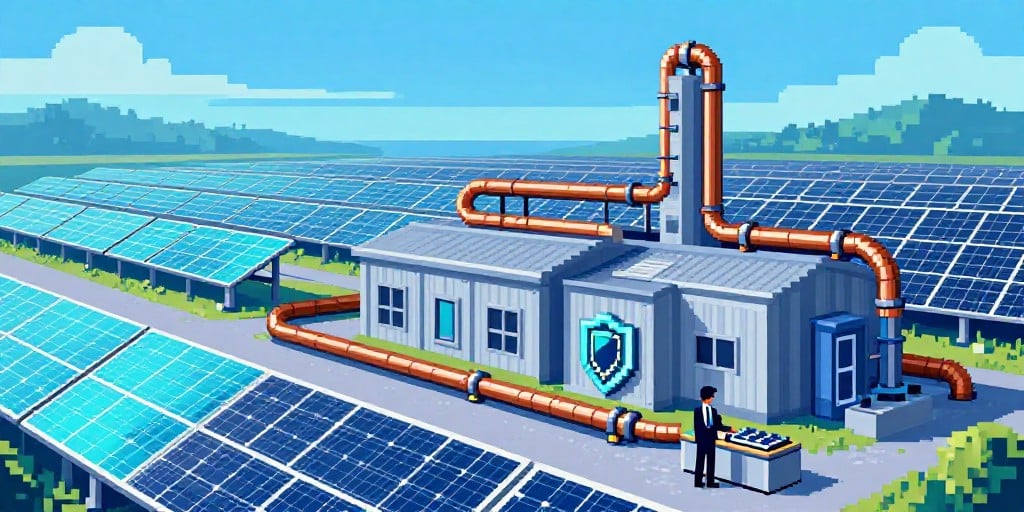
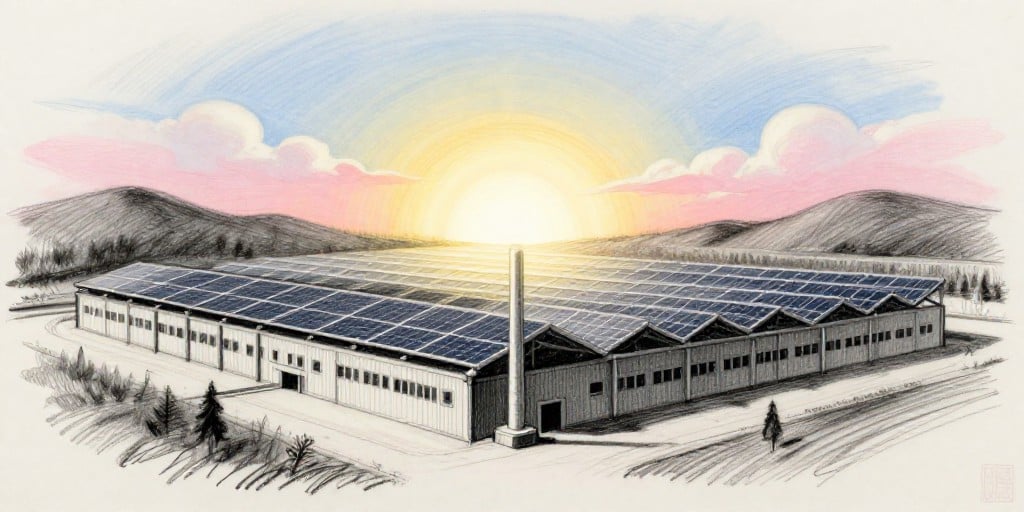
First Solar Inc. released its third‑quarter earnings for the year ending 30 September 2026, a period that saw a contraction in revenue relative to the same quarter a year earlier. Net sales fell, yet the company’s operating income remained robust, allowing net profit on an earnings‑per‑share basis to rise. While the firm maintained its modest full‑year revenue outlook, it also announced the commencement of Phase 1 of a new 1.7 GW solar‑module plant in Gaffney, South Carolina. The facility will host the final on‑shore manufacturing steps for the Series 6 Plus thin‑film modules and signals First Solar’s intent to deepen its U.S. production footprint.
Revenue Decline Amid a Reshaped Market Landscape
The drop in net sales is consistent with a broader shift in the solar industry toward lower‑margin, high‑volume projects in the United States, as well as tighter pricing in emerging‑market deployments. First Solar’s decision to keep its full‑year revenue forecast modest reflects the company’s recognition that the current market environment favours efficiency over rapid expansion. By focusing on cost‑controlled production and high‑margin services such as module performance warranties, the firm has managed to preserve operating income despite lower top‑line numbers.
Operating Profitability as a Strategic Anchor
Operating income remained strong, underscoring First Solar’s disciplined approach to capital allocation. The company’s ability to generate a higher earnings‑per‑share figure, even with declining sales, is indicative of a broader industry trend where firms with lower capital intensity and high-tech manufacturing can deliver shareholder value while navigating market volatility. This approach aligns with the consensus that the solar sector’s long‑term growth will be driven by firms that marry cost discipline with advanced technology.
Gaffney Plant: A Domestic Manufacturing Pivot
The launch of the 1.7 GW Gaffney facility marks a significant shift in First Solar’s manufacturing strategy. Historically, the company relied on overseas plants to meet global demand. The new U.S. plant allows First Solar to:
- Reduce Supply‑Chain Vulnerabilities – By localising final manufacturing steps, the firm mitigates disruptions caused by geopolitical tensions and trade‑policy shifts that have recently impacted the supply chain.
- Tap Domestic Demand Surge – U.S. solar installations are expanding rapidly, driven by federal incentives and state‑level renewable targets. A domestic plant positions First Solar to capture a growing share of the market without the premium of international shipping.
- Generate Employment and Community Impact – The plant’s projected workforce and potential for a second phase (nearly doubling capacity to 3.4 GW) align with broader economic goals, reinforcing the company’s commitment to community development.
Strategic Implications for the Broader Technology Landscape
First Solar’s moves illustrate a pattern that is emerging across the clean‑energy technology sector: the prioritisation of resilience and localisation over sheer scale. Other industry players are following suit, with companies such as Tesla, SunPower, and Canadian Solar investing in domestic plants to circumvent tariff risk and secure supply chains. This trend reflects a broader shift in global manufacturing, where geopolitical uncertainties have spurred a return to “near‑shoring” and increased domestic investment.
Challenging Conventional Wisdom
Traditionally, the solar industry’s growth narrative has been tied to aggressive expansion and high‑volume sales. First Solar’s decision to accept a modest revenue decline while preserving profitability challenges this orthodoxy. It demonstrates that sustainable growth can be achieved through operational excellence and strategic investment in domestic capacity, rather than through rapid, capital‑intensive scaling.
Forward‑Looking Outlook
Looking ahead, First Solar’s strategy positions it to capitalize on the United States’ aggressive renewable energy goals while maintaining a disciplined financial profile. The company’s ability to balance a tighter revenue outlook with strategic capital expenditure in domestic manufacturing is likely to enhance its competitive edge. Moreover, the planned second phase of the Gaffney plant—doubling capacity to 3.4 GW—signals a future trajectory where First Solar could become a key player in meeting the U.S. solar module demand, potentially creating a virtuous cycle of revenue growth and operational efficiency.
In sum, First Solar’s latest quarter underscores a pivotal moment in the solar industry: a shift from volume‑centric growth to a model that values resilience, localisation, and sustainable profitability. As other technology firms grapple with similar dynamics, First Solar’s approach may well serve as a blueprint for navigating the complexities of a rapidly evolving global market.