First Solar’s Ohio Milestone Signals a Shift Toward Domestic Solar Production
Executive Summary
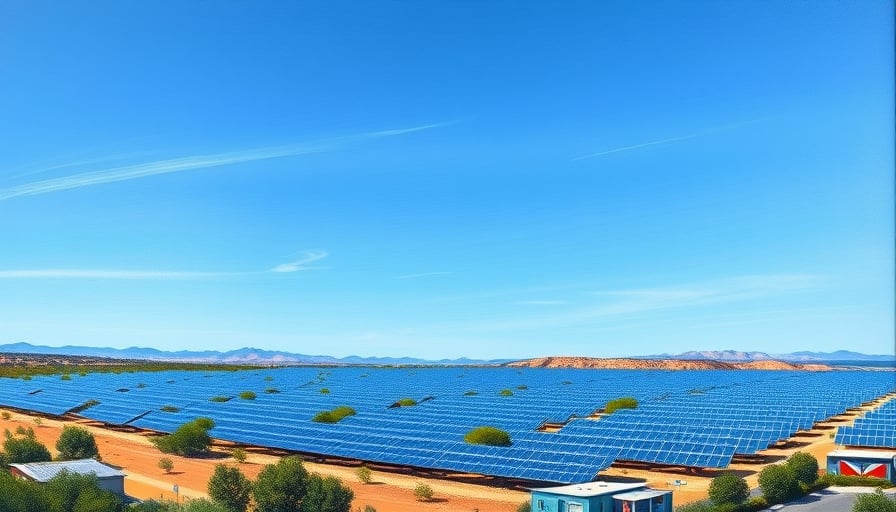
First Solar Inc. has launched commercial operations at the Dodson Creek Solar Project, a 117‑MW plant in Ohio that will feed renewable power into the PJM interconnection. Built by Kiewit Power Constructors and equipped with First Solar’s Series 7 modules produced in Perrysburg, Ohio, the facility marks a significant expansion of the company’s domestic footprint. This development arrives as First Solar prepares for its 2026 shareholder meeting, submits its 2025 annual report to the SEC, and continues to refine governance practices. Together, these events illustrate a broader industry trajectory that places domestic manufacturing, regulatory transparency, and investor engagement at the heart of renewable‑energy strategy.
1. The Dodson Creek Project in Context
1.1 A New Power Source for the PJM Market
The PJM market—covering much of the eastern United States—has long been a benchmark for competitive electricity pricing and reliability. By adding 117 MW of solar capacity, First Solar increases the share of renewable energy within this region, helping utilities meet federal and state decarbonization mandates. The plant’s location in Ohio also leverages the state’s growing solar‑friendly policy environment, which offers streamlined permitting and modest tax incentives.
1.2 Domestic Manufacturing as a Strategic Pillar
First Solar’s Series 7 modules are manufactured in Perrysburg, Ohio, a move that aligns with the company’s commitment to “Made in USA” production. This approach contrasts with the prevailing trend among photovoltaic (PV) manufacturers, many of whom rely on overseas supply chains. By producing modules domestically, First Solar reduces shipping costs, mitigates supply‑chain disruptions, and enhances its appeal to U.S. policymakers and investors who prioritize local economic impact.
2. Investor Engagement and Corporate Governance
2.1 2026 Shareholder Meeting Agenda
The forthcoming shareholder meeting on May 13, 2026 will cover:
- Election of new board members
- Confirmation of the independent auditor
- Advisory vote on executive compensation
- A proposal to empower shareholders to call special meetings
These agenda items highlight First Solar’s willingness to engage with governance issues proactively. The proposal to increase shareholder influence on special meetings suggests a response to growing activist investor pressure and a desire to preempt potential conflicts.
2.2 SEC Filing and Transparency
First Solar’s 2025 annual report, filed with the Securities and Exchange Commission, includes:
- Detailed financial statements
- Governance policies
- Risk management practices
The filing demonstrates the company’s adherence to regulatory standards and offers investors a comprehensive view of its operational and strategic priorities. Transparent disclosure is increasingly viewed as a differentiator in the renewable‑energy sector, where stakeholders demand rigorous risk assessments and climate‑related accountability.
3. Industry‑Wide Patterns and Emerging Trends
3.1 Shift Toward Domestic Production
First Solar’s Ohio project is part of a broader move toward localized manufacturing across the solar industry. As U.S. policymakers tighten export controls and invest in domestic supply chains, companies that can pivot to local production gain a competitive edge. This trend also dovetails with the Biden administration’s “Made in USA” manufacturing push, which offers subsidies for domestic solar module manufacturing.
3.2 Integration of Renewable Assets into Established Grids
Deploying solar projects in established grid markets such as PJM allows utilities to diversify their energy mix without significant grid upgrades. The resulting flexibility aids in balancing intermittent renewables and reduces reliance on fossil‑fuel peaking plants. First Solar’s strategy of targeting such markets positions it as a key partner for utilities seeking to accelerate their renewable targets.
3.3 Evolving Investor Governance Expectations
Investor demands for stronger governance and shareholder rights have accelerated in recent years. First Solar’s inclusion of a shareholder‑rights proposal reflects a broader industry shift toward more participatory corporate governance. Firms that fail to meet these expectations risk losing investor confidence, especially in capital‑intensive sectors like renewable energy.
4. Strategic Implications for First Solar
| Strategic Area | Opportunity | Potential Risk |
|---|---|---|
| Domestic Production | Lower logistics costs, supply‑chain resilience | Higher manufacturing overhead, regulatory compliance |
| PJM Market Entry | Early access to a mature, high‑paying market | Grid congestion, price volatility |
| Governance Reforms | Stronger investor trust, smoother capital raising | Resistance from entrenched board members |
| Regulatory Transparency | Positive public perception, policy support | Increased scrutiny of ESG claims |
First Solar’s current trajectory suggests a calculated attempt to consolidate its position in the U.S. market while mitigating risks associated with global supply‑chain volatility and regulatory uncertainty.
5. Forward‑Looking Analysis
Market Expansion: Following the Dodson Creek project, First Solar is likely to target other PJM and non‑PJM markets where solar penetration is high and regulatory frameworks supportive.
Technology Development: Continued investment in next‑generation module technologies could further improve the efficiency–cost trade‑off, giving First Solar a technological edge over competitors.
Governance Evolution: If the shareholder proposal passes, First Solar may adopt a more agile board structure, enabling faster responses to market shifts and investor concerns.
Policy Leveraging: By aligning its domestic production strategy with federal incentives, First Solar can secure additional funding and potentially influence policy design in its favor.
6. Conclusion
The commercial launch of the Dodson Creek Solar Project is more than a single‑site milestone; it encapsulates First Solar’s strategic pivot toward domestic production, integration into established grid markets, and proactive engagement with governance reforms. As the renewable‑energy sector continues to grapple with supply‑chain challenges, regulatory scrutiny, and investor expectations, First Solar’s actions offer a blueprint for balancing operational excellence with stakeholder transparency. The coming months—particularly the 2026 shareholder meeting and subsequent regulatory filings—will determine whether the company can translate these strategic moves into sustained competitive advantage.