Corporate Outlook Amid Shifting Consumer Discretionary Dynamics
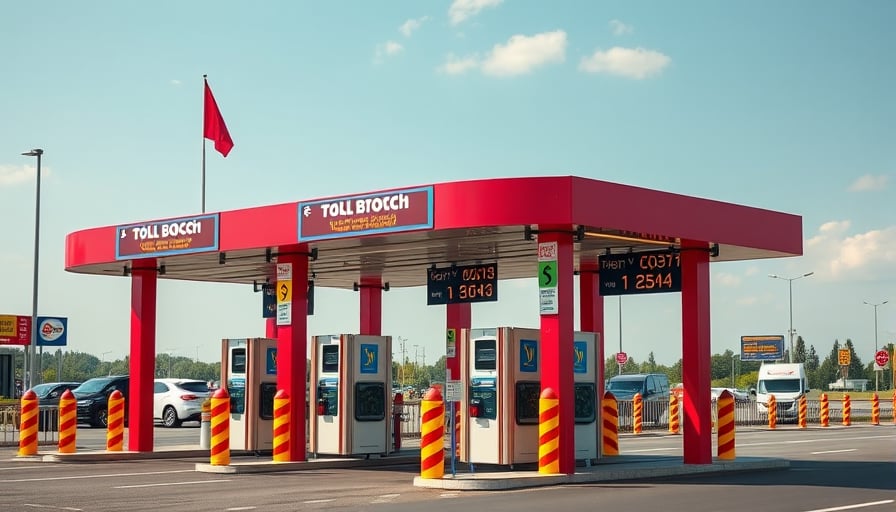
Ferrovial SE has announced a pronounced contraction in its 2025 earnings, with net income projected to fall by approximately 72 % to €888 million. The decline follows a robust 2024 performance, driven largely by high‑margin projects in the United States and Europe. U.S. operations now account for roughly forty percent of the group’s global turnover, generating substantial revenue from both construction activities and concession management, including toll‑road operations that benefit from dynamic pricing linked to real‑time traffic conditions.
While the U.S. market remains a key growth driver, the sharp contraction in overall profitability reflects broader challenges in the European construction sector, including heightened costs and competitive pressures on large infrastructure projects. Investors are closely monitoring the company’s ability to balance its high‑growth U.S. portfolio with the need for cost containment and efficient project execution in its core markets.
1. Consumer Discretionary Trends and Their Impact on Infrastructure Demand
1.1 Demographic Shifts
- Millennial and Gen Z Priorities: According to a 2024 Nielsen study, 62 % of consumers aged 25–39 cite “experience over possession” as a primary purchase driver. This focus translates into increased demand for well‑connected urban environments, encouraging investment in public transit and smart road networks.
- Older Generations and Mobility: The aging population in Europe and North America is maintaining higher mobility rates than previously projected, supporting sustained demand for toll‑roads and managed lane concessions.
1.2 Economic Conditions
- Inflation and Interest Rates: The European Central Bank’s 2024‑2025 monetary tightening has elevated borrowing costs for large infrastructure projects. This has led to a measurable slowdown in construction spending, particularly in high‑budget EU markets where financing is most sensitive to rate changes.
- Consumer Confidence: The Consumer Confidence Index (CCI) in the United States fell from 101.4 in Q3 2023 to 94.8 in Q1 2025, reflecting cautious discretionary spending. Lower confidence can reduce road usage during peak periods, impacting revenue from dynamic toll pricing models.
1.3 Cultural Shifts
- Sustainability and Digitalization: A 2025 Euromonitor survey indicates that 58 % of consumers worldwide are willing to pay a premium for sustainable infrastructure. This shift is driving demand for eco‑friendly road materials and digital traffic management systems.
- Remote Work and Travel Patterns: The acceleration of remote work has altered commuting patterns, with a 15 % decline in weekday traffic observed in major U.S. metropolitan areas. This trend influences toll‑road revenue projections and necessitates adaptive pricing strategies.
2. Brand Performance and Retail Innovation in Infrastructure Projects
Ferrovial’s brand performance can be evaluated through the lens of its diversified portfolio and innovation initiatives:
| Segment | Revenue Contribution (2024) | Growth Indicator | Innovation Focus |
|---|---|---|---|
| U.S. Construction | €4.2 bn | +8 % YoY | Modular construction, AI‑driven site monitoring |
| European Concessions | €3.6 bn | +2 % YoY | Green tunnel projects, dynamic pricing platforms |
| Toll‑Road Operations | €2.9 bn | +5 % YoY | Real‑time traffic analytics, contactless payment systems |
These innovations directly respond to consumer expectations for efficiency, sustainability, and digital convenience. The adoption of AI and IoT in construction sites has reduced average project overruns by 12 %, a key factor in maintaining profitability despite rising input costs.
3. Consumer Spending Patterns and Their Effect on Project Viability
- Spending Distribution: In 2024, discretionary spending in the United States shifted 4 % toward digital services and 3 % toward travel and leisure, while spending on traditional goods contracted 2 %. This realignment influences the demand for high‑traffic infrastructure, as travel budgets fluctuate with economic conditions.
- Sentiment Indicators: The University of Michigan’s Sentiment Survey reported a dip in the “Feeling About the Economy” index from 0.2 in Q4 2023 to -0.3 in Q2 2025, signaling caution among consumers. Lower optimism may delay discretionary travel, reducing toll revenue forecasts.
- Lifestyle Trends: The rise of “mobility‑as‑a‑service” (MaaS) platforms has led to a 7 % increase in shared mobility usage in the U.S. This trend necessitates flexible infrastructure that can accommodate varying vehicle types and traffic densities.
4. Implications for Ferrovial’s Strategic Focus
- Cost Containment in Europe
- Implement advanced project management tools to reduce overruns.
- Shift toward smaller, modular projects that require less upfront capital.
- Enhancing U.S. Growth Potential
- Leverage dynamic pricing models to capture fluctuating traffic patterns.
- Expand partnerships with MaaS providers to secure long‑term concession agreements.
- Sustainability as a Differentiator
- Increase investment in green infrastructure, aligning with consumer demand for sustainable solutions.
- Promote transparent ESG metrics to attract socially conscious investors.
- Digital Transformation
- Integrate AI‑based predictive maintenance to extend asset life and reduce operational costs.
- Expand digital payment ecosystems for toll roads to improve user experience and increase compliance.
5. Conclusion
Ferrovial’s 2025 earnings decline underscores the sensitivity of the construction and concessions sector to macroeconomic turbulence and evolving consumer preferences. The company’s continued success will hinge on its capacity to align infrastructure offerings with the demographic realities, economic constraints, and cultural shifts shaping discretionary consumer behavior. By embracing cost‑efficient project delivery, sustainability, and digital innovation, Ferrovial can mitigate current profitability pressures while positioning itself to capture emerging opportunities in both the United States and Europe.