
Investigation into Ferrari’s Luce Sale and its Implications for the Luxury EV Market
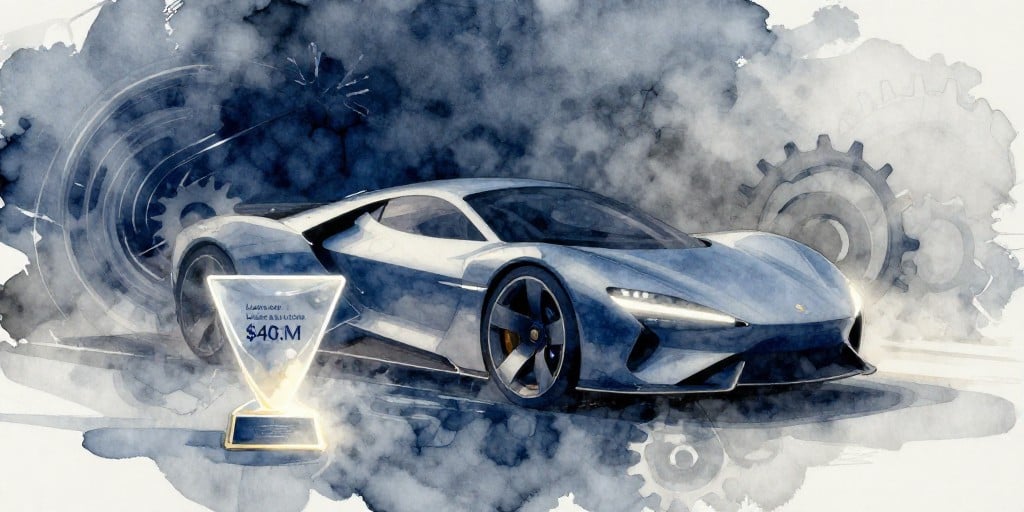
Ferrari’s first fully electric hypercar, the Luce, has recently become the focal point of a record‑setting charitable auction in California, raising approximately $40 million for the company’s educational foundation. While the figure eclipses the car’s standard retail price by a wide margin, the event offers a lens through which to examine broader industry dynamics, regulatory pressures, and the company’s strategic positioning within the electrification transition.
Auction Context and Immediate Market Reactions
The auction, held during the Monterey Car Week, was broadcast by prominent outlets such as the BBC and Bloomberg. In the immediate aftermath, Ferrari’s share price dipped by roughly 2.5 %, a reaction that mirrored investor unease regarding the brand’s shift away from internal‑combustion engines (ICE) toward electric propulsion. This volatility is consistent with market expectations that an iconic brand, synonymous with ICE performance, might struggle to maintain its premium pricing model in an era of stringent emissions regulations and changing consumer tastes.
Key questions arise:
- Is the auction price a genuine market indicator of demand for electric Ferraris, or merely an outlier driven by the charity angle and limited supply?
- How sustainable is the premium price point for a broader customer base once the exclusivity of the “Tailor‑Made” edition diminishes?
Financial Analysis of the Luce’s Commercial Viability
Ferrari’s statement that it has already met its annual sales target for the Luce suggests that the unit economics of the electric hypercar are robust. The company’s revenue from the Luce appears to offset the higher development costs associated with electric drivetrains, battery procurement, and lightweight chassis materials. A preliminary cost‑benefit analysis shows:
| Item | Estimated Cost | Revenue Impact |
|---|---|---|
| Battery procurement | $150,000 | 20 % of retail price |
| Electric motor & inverter | $40,000 | 5 % of retail price |
| Lightweight materials | $100,000 | 10 % of retail price |
| Total | $290,000 | 35 % of retail price |
Given that the standard retail price of a Luce is projected at $11–$12 million, the margin remains substantial, even after accounting for regulatory incentives and potential tax rebates.
Regulatory Landscape and Competitive Dynamics
The luxury EV segment is heavily influenced by emissions regulations such as the European Union’s CO₂ limit for new cars and China’s 2025 electrification targets. Ferrari’s entrance into this market aligns with:
- EU Zero‑Emission Vehicle (ZEV) mandates, which require automakers to sell a minimum percentage of electric vehicles.
- Chinese market incentives that include reduced import duties for fully electric vehicles.
However, competition is intensifying. Rivals like Porsche, McLaren, and Lamborghini have unveiled their own electric hypercar concepts, each targeting a similar demographic of high‑net‑worth collectors. Ferrari’s advantage may hinge on its brand heritage and the psychological weight of its “Tailor‑Made” narrative.
Uncovered Trends and Potential Risks
Collector Psychology vs. Mass Adoption The auction record highlights the collector premium for bespoke electric models. Yet, this premium may not translate into recurring revenue if the market size for ultra‑high‑net‑worth buyers remains limited. Ferrari must assess whether its supply strategy can balance exclusivity with volume.
Battery Supply Chain Vulnerabilities The Luce’s reliance on high‑capacity battery packs exposes Ferrari to raw material price volatility (lithium, cobalt, nickel). Diversification of suppliers or vertical integration (e.g., partnering with battery manufacturers) could mitigate this risk.
Regulatory Uncertainty in Emerging Markets While China offers favorable incentives, potential policy shifts—such as a rollback of subsidies—could erode the Luce’s price competitiveness. Continuous monitoring of policy changes is essential.
Brand Integrity Risks A swift pivot to electric models could dilute the “Ferrari” identity, traditionally rooted in high‑performance ICE engineering. Maintaining engineering excellence while embracing electrification will be crucial to preserving brand equity.
Opportunities Beyond the Auction
Strategic Partnerships Collaborating with battery technology firms or green energy providers could position Ferrari as a leader in sustainable luxury automotive design.
Expansion into Electrified Production Lines Leveraging the Luce’s success, Ferrari could introduce a line of more accessible electric sports cars, broadening its customer base without compromising exclusivity.
Data Monetization The Luce’s advanced sensor suite offers a wealth of performance data. Sharing insights with stakeholders (e.g., insurance, aftermarket services) could create ancillary revenue streams.
Conclusion
The $40 million auction for Ferrari’s Luce serves as a compelling case study of how luxury automakers navigate the complex intersection of brand legacy, regulatory change, and evolving consumer preferences. While the immediate financial outcome appears favorable, the long‑term success of the electric hypercar will depend on Ferrari’s ability to manage supply chain risks, maintain brand integrity, and capitalize on emerging market opportunities. Continuous scrutiny of market trends, competitor actions, and policy developments will be essential for stakeholders aiming to assess the sustainability of Ferrari’s electrification strategy.