Ferrari NV Highlights Strategic Growth at the 91st Paris International Motor Show
The 91st Paris International Motor Show served as a focal point for Ferrari NV’s recent corporate developments. Amid a notable shift in attendance—many traditional European luxury marques were absent—the Italian marque stood out as a key participant, reaffirming its standing in an automotive landscape increasingly contested by Chinese automakers.
Product Innovation and Technological Advancements
Ferrari showcased its newest high‑performance models, underscoring continued progress in powertrain technology and refined design language. The brand emphasized:
- Advanced Driver Assistance Systems (ADAS): Integration of cutting‑edge safety and convenience features without compromising the driving experience.
- Lightweight Materials: Utilisation of high‑strength composites and aluminium alloys to reduce vehicle mass, thereby enhancing acceleration, braking, and overall performance.
- Regulatory Alignment: Design choices that anticipate forthcoming emissions and safety regulations, ensuring compliance while maintaining brand heritage.
These initiatives reflect Ferrari’s broader strategy to preserve exclusivity while delivering performance that remains at the forefront of automotive engineering.
Expansion of Global Footprint in Europe
Ferrari reiterated its commitment to expanding its European presence through a combination of localized production and distribution strategies. Key elements include:
- Dedicated Production Facilities: While manufacturing remains concentrated in the company’s bespoke plants, Ferrari is exploring partnerships that could support limited‑run production closer to key markets.
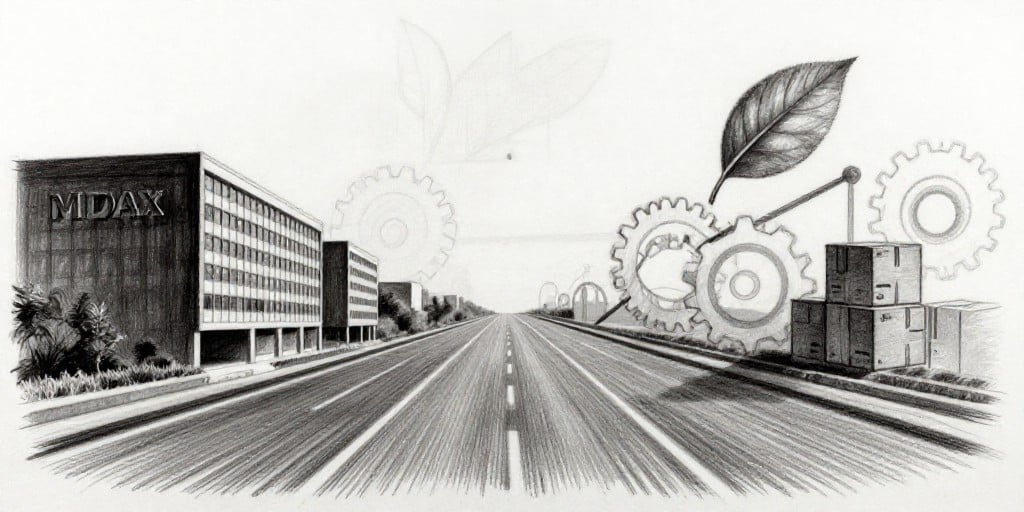
- Supply Chain Strengthening: Initiatives aimed at securing critical raw materials, improving logistics efficiency, and reducing lead times.
- After‑Sales Network Enhancement: Development of service centres and customer support hubs designed to reinforce brand credibility and ensure a high‑quality ownership experience.
These moves are positioned to counteract intensifying competition from both established luxury automakers and emerging players, particularly those leveraging scale and cost efficiencies.
Engagement with Sustainability and Electrification Trends
During the show, Ferrari engaged with industry stakeholders on sustainability and electrification. While the company’s historical focus has been on internal combustion engines, it acknowledged the growing market shift toward electrified powertrains. Ferrari disclosed ongoing research into:
- Hybrid Solutions: Development of powertrains that blend combustion efficiency with electric assistance to meet stringent CO₂ targets.
- Full Electric Platforms: Exploration of battery‑powered models that could coexist with the brand’s performance‑centric lineup without diluting its identity.
By signalling readiness to adapt, Ferrari aligns itself with broader automotive trends while safeguarding the core attributes that define its brand.
Strategic Implications for Market Positioning
Ferrari’s activities at the Paris Motor Show illustrate a multi‑layered approach to maintaining competitive advantage:
- Technological Leadership: Continued investment in powertrain and material science preserves the brand’s performance edge.
- Geographic Expansion: Targeted growth in Europe mitigates over‑reliance on traditional markets and buffers against regional economic volatility.
- Sustainability Readiness: Proactive engagement with electrification trends positions Ferrari favorably in an era of tightening environmental regulations.
- Operational Resilience: Strengthening supply chains and after‑sales capabilities reduces vulnerability to global disruptions.
These strategies collectively reinforce Ferrari’s ability to navigate an industry undergoing rapid transformation, driven by regulatory shifts, changing consumer preferences, and the entry of technologically sophisticated competitors.
In summary, Ferrari NV’s participation in the 91st Paris International Motor Show highlighted its dedication to high‑performance vehicle development, expansion of its global footprint—particularly within Europe—and strategic adaptation to evolving automotive dynamics. The company’s focus on innovation, localized production, and sustainability signals a forward‑looking posture that seeks to balance heritage with the demands of a future‑oriented market.