
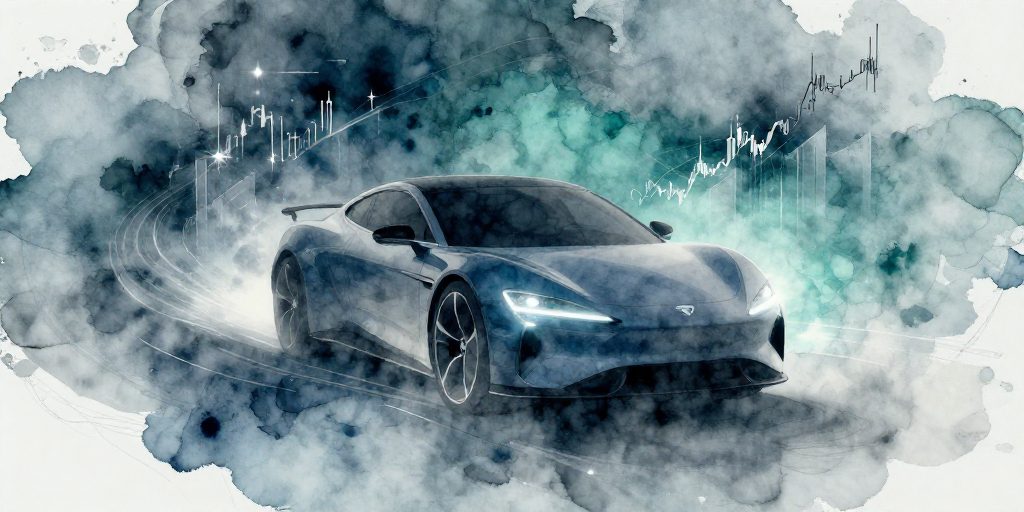
Ferrari N.V. Continues Capital Return While Accelerating Electrification
Ferrari N.V. entered the second phase of its multi‑year share‑buyback program during the first week of April, acquiring approximately 39,000 shares at an average price of €303 on Euronext Milan. The transaction, part of the company’s broader strategy to return value to shareholders, was announced alongside the launch of the brand’s inaugural fully electric super‑car, the Luce.
Share‑Buyback: Signal of Financial Discipline or Earnings Management?
The buyback size—roughly 0.3 % of the company’s market capitalization—represents a modest but steady deployment of excess cash. While the €303 average price is above the €292‑level quoted in the prior buy‑back phase, the premium is consistent with the volatility of the high‑growth automotive sector. Analysts note that the transaction occurred in a week when the Italian market was experiencing a 4 % dip in early trade, reflecting a broader pullback in automotive‑related stocks.
From a financial‑analysis standpoint, the buyback reduces the outstanding share count, thereby boosting earnings per share (EPS) and potentially enhancing the share price in the short term. However, the impact on long‑term shareholder value depends on whether the capital returned could have been better deployed in R&D or capital expenditures. Given Ferrari’s aggressive electrification roadmap, one might question whether the cash freed by the buyback could have accelerated battery‑cell partnerships or battery‑pack manufacturing.
Luce: An Electric Flagship Amid a Competitive Landscape
Ferrari’s Luce, slated to debut in Rome next month, is positioned as a premium electric super‑car. While the price point is undisclosed, industry speculation places it above €1.5 million, aligning with the brand’s luxury positioning. The announcement follows a press statement confirming the buyback and reinforcing the company’s commitment to shareholder value.
In an industry where rivals such as Porsche, Aston Martin, and even Tesla are expanding their electric‑vehicle (EV) offerings, Ferrari’s move is two‑fold:
- Technological Validation – By launching a high‑performance electric model, Ferrari tests battery‑pack efficiency and charging infrastructure, essential for scaling future EV models.
- Brand Differentiation – The Luce leverages Ferrari’s heritage in performance and aerodynamics, potentially creating a new market segment that blends electrification with luxury super‑car allure.
Yet, the transition to EVs introduces risks: high battery costs, supply chain constraints for cobalt and lithium, and the need to build a charging network comparable to the existing Ferrari service network. Furthermore, the EV market’s competitive intensity, coupled with regulatory pressure to reduce CO₂ emissions, could pressure Ferrari’s profitability if cost‑control measures are insufficient.
Market‑Risk Gauge and Investor Sentiment
The 95 % score on a market‑risk gauge suggests continued confidence in Ferrari’s long‑term prospects despite short‑term market volatility. However, this gauge may under‑weight systemic risks such as geopolitical tensions affecting the European automotive sector, fluctuations in oil prices, and the potential slowdown in luxury discretionary spending. The modest 4 % drop in early trading underscores a cautious stance among risk‑averse investors, possibly reflecting the broader negative sentiment in the automotive sector.
Broader Market Context
On the day of the buyback announcement, major U.S. indices closed lower, while oil prices edged upward. The rise in oil prices can be interpreted as a temporary hedge for luxury automotive manufacturers, as higher fuel costs may drive demand for more fuel‑efficient vehicles. Conversely, an oil‑price lift may also signal tightening global supply chains and increased production costs.
The confluence of a down market in the automotive sector, a modest but noteworthy share‑buyback, and a flagship electric super‑car launch positions Ferrari at a pivotal juncture. Investors should scrutinize whether the company’s capital allocation strategy balances short‑term shareholder returns with long‑term strategic investments in electrification and sustainability.
Potential Risks and Opportunities
| Risk | Opportunity |
|---|---|
| Battery‑cost volatility | Premium pricing for high‑performance EVs |
| Supply‑chain disruptions | First‑mover advantage in the luxury EV segment |
| Regulatory shifts on emissions | Enhanced brand reputation as an electric pioneer |
| Investor fatigue with high‑price stocks | Share buyback sustaining EPS and shareholder confidence |
In sum, Ferrari’s simultaneous pursuit of shareholder value through share buybacks and its aggressive push into electrification reflects a dual‑track strategy aimed at reinforcing the brand’s legacy while ensuring future relevance. The success of this approach will hinge on the company’s ability to manage capital allocation prudently, maintain technological superiority in battery performance, and navigate an increasingly complex regulatory landscape.