
FedEx Corporation Prepares to Announce Q4 2025 Financial Results
FedEx Corporation (NASDAQ: FDX), a global logistics and transportation powerhouse, is slated to unveil its fiscal‑year‑end quarterly earnings during a scheduled earnings conference on 18 December 2025. The company, whose shares trade on the New York Stock Exchange under the ticker “FDX,” has historically maintained a reputation for operational efficiency and resilient revenue streams, even amid volatile macroeconomic conditions.
Anticipated Performance Metrics
- Earnings per Share (EPS): Analysts project a modest increase in EPS relative to the same quarter of 2024, with consensus estimates ranging between $3.65 and $3.80 per share. This projection reflects a projected 3–4 % rise in operating margin, driven largely by cost‑control initiatives and a shift toward higher‑margin express services.
- Revenue Growth: Consensus forecasts indicate a 3–4 % year‑over‑year uptick in revenue, driven by steady demand for time‑critical shipping, expansion into e‑commerce fulfillment, and a rebound in freight volumes across North America and Europe.
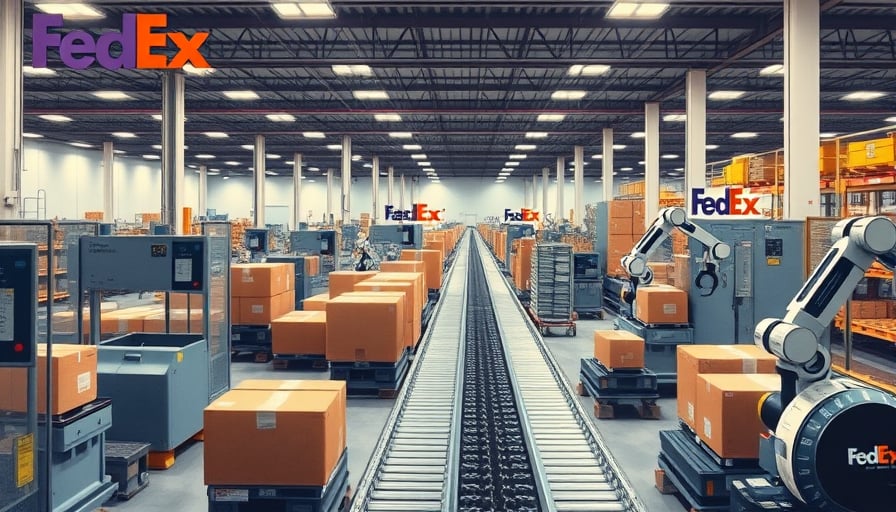
- Operating Leverage: Management is expected to detail improvements in operating leverage, citing the continued deployment of automation technologies at sorting hubs and the optimization of route planning software that has reduced fuel consumption by approximately 1.5 % per ton‑mile.
Strategic Context and Industry Dynamics
FedEx’s financial performance is intertwined with broader economic factors that transcend the logistics sector:
E‑commerce Expansion The surge in online retail has amplified demand for rapid delivery, a trend that benefits FedEx’s express services. The company’s recent investment in advanced last‑mile solutions and drone‑delivery pilots signals a strategic pivot toward capturing high‑margin urban logistics.
Fuel Price Volatility Despite a recent dip in crude prices, the logistics industry remains sensitive to fuel costs. FedEx’s hedging strategy and fuel‑efficiency programs are positioned to mitigate exposure, a practice that mirrors tactics adopted by peers in the freight and shipping industries.
Regulatory Environment The U.S. Department of Transportation’s ongoing review of freight‑rail intermodal regulations could create opportunities for multimodal integration, a niche that FedEx has begun to explore through partnerships with rail carriers.
Global Supply Chain Resilience As manufacturers seek to diversify supply chains post‑pandemic, FedEx’s global network positions it favorably to service a broader range of geographies, thereby enhancing its risk‑diversified revenue base.
Comparative Analysis Across Sectors
The logistics sector’s performance is often a bellwether for broader economic activity. FedEx’s expected modest EPS growth aligns with a broader trend of stable profitability across transportation and freight firms despite fluctuating consumer demand. For example, Amazon’s logistics arm and UPS have reported similar margin improvements, underscoring a sector-wide focus on digital transformation and operational automation.
Meanwhile, the financial impact of increased commodity prices—particularly aviation fuel and grain—has been mitigated by the adoption of fuel‑efficient aircraft and alternative fuels. FedEx’s emphasis on sustainability, evidenced by its recent commitment to 100 % renewable energy for its hub operations by 2030, not only reduces costs but also aligns with investor expectations for ESG compliance.
Outlook and Management Commentary
During the forthcoming conference call, FedEx’s management is expected to elaborate on:
- Capital Allocation: Planned investments in technology infrastructure and workforce training aimed at sustaining growth in high‑margin segments.
- Geographic Expansion: Targeted entry into emerging markets in Southeast Asia and the Middle East, where demand for expedited logistics is projected to grow at a compound annual rate exceeding 5 %.
- Resilience Measures: Enhanced supply‑chain visibility tools and AI‑driven demand forecasting to mitigate disruptions akin to those experienced during the COVID‑19 pandemic.
Conclusion
FedEx Corporation’s upcoming earnings release will offer insight into how a leading logistics firm navigates the interplay between macro‑economic forces, industry‑specific dynamics, and strategic innovation. While the company’s financial outlook remains modestly bullish, its proactive stance on automation, sustainability, and geographic diversification positions it to capitalize on evolving market demands and maintain a competitive edge across the global supply chain landscape.