
Cyber‑Security Incidents at Coca‑Cola’s Fairlife Unit: Implications for the Beverage Industry and Investor Sentiment
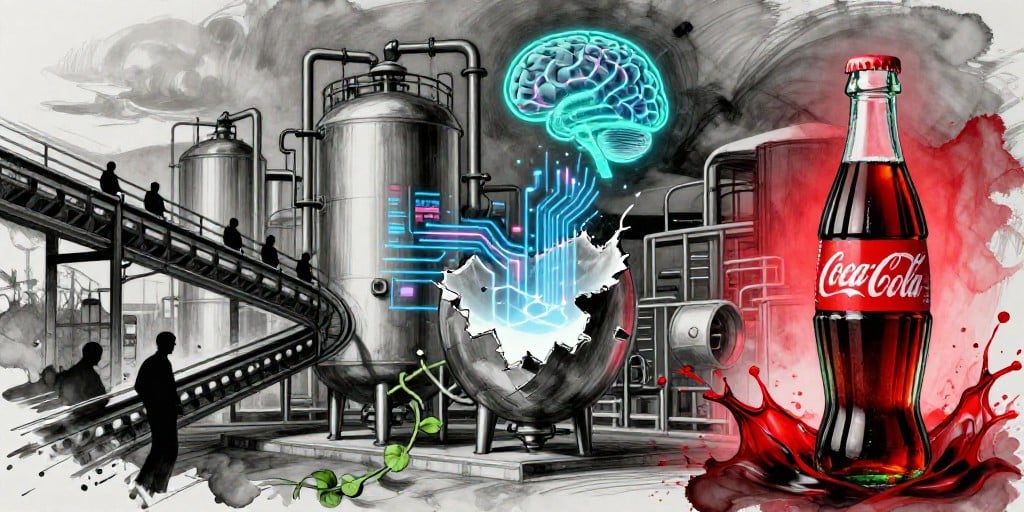
Coca‑Cola’s U.S. dairy subsidiary, fairlife, has recently been the focus of two separate cyber‑security events that have disrupted production across its domestic facilities. The first incident, reported earlier this week, forced a temporary shutdown of fairlife’s U.S. plants after a ransomware attack compromised critical operational systems. The second event, occurring later, involved a hacking group that claimed to have exfiltrated a substantial volume of corporate data and issued a ransom demand that threatened to release the compromised information if payment was not made. Despite the severity of the attacks, Coca‑Cola has yet to issue a detailed statement explaining the breach, and the attackers have not responded to follow‑up inquiries.
Sector‑Specific Dynamics
The beverage sector—particularly the dairy and bottled‑water segment that fairlife operates in—relies heavily on tightly integrated supply‑chain networks to maintain product quality, safety, and timely distribution. Disruption in any part of this network can cascade into inventory shortages, regulatory compliance issues, and reputational damage. Unlike commodities with relatively static production processes, the beverage industry must constantly adapt to shifting consumer preferences, regulatory environments, and technological advancements. Consequently, the industry’s resilience to cyber‑threats is intrinsically linked to its ability to modernize digital infrastructure while safeguarding critical data.
Competitive Positioning and Market Drivers
Fairlife’s positioning as a premium, high‑protein dairy alternative has enabled it to capture a niche segment of health‑conscious consumers. However, the recent disruptions underscore a vulnerability that competitors, such as Nestlé and Danone, are actively addressing through investments in cybersecurity frameworks and redundant system architectures. Market drivers that amplify the relevance of this issue include:
| Driver | Impact on Beverage Companies |
|---|---|
| Digital Transformation | Adoption of IoT and AI for inventory control increases attack surface |
| Global Supply‑Chain Complexity | Cross‑border logistics magnify risk of ransomware affecting multiple jurisdictions |
| Regulatory Scrutiny | Data‑protection laws (GDPR, CCPA) impose penalties for inadequate security controls |
| Consumer Trust | Cyber incidents erode confidence, potentially shifting purchasing behavior |
These dynamics illustrate how the threat of ransomware extends beyond traditional IT concerns and can directly influence operational continuity and market share.
Investor Perspective
Despite the operational setbacks, analyst coverage of Coca‑Cola shares has remained largely optimistic. Barclays recently lifted its target price for the stock, signaling a modest upward adjustment in valuation. This stance reflects confidence in Coca‑Cola’s robust dividend history and its status as a dividend aristocrat. Other research outlets echoed this sentiment, emphasizing a consensus “strong buy” rating and highlighting the company’s inclusion on dividend‑focused watchlists.
Key points that support sustained investor confidence include:
- Dividend Record: Coca‑Cola has consistently increased dividends for over 60 consecutive years, a metric that attracts income‑focused investors even amid operational disruptions.
- Diversified Portfolio: Beyond beverages, the company’s extensive product range mitigates sector‑specific downturns.
- Resilience Strategies: Recent AI‑driven initiatives demonstrate a proactive approach to operational efficiency and market adaptation.
While the cyber incidents have introduced an element of uncertainty, the underlying fundamentals—stable cash flows, a disciplined payout policy, and a diversified brand portfolio—continue to reinforce the company’s appeal to long‑term investors.
Technological Advancements: AI‑Driven Marketing and Vending Optimization
In a separate development, Coca‑Cola has announced the deployment of artificial‑intelligence‑driven marketing and vending‑machine optimization tools. The new platform reportedly increased vending‑machine sales by a noticeable margin while reducing restocking frequency. Additionally, the AI system facilitates rapid creation of advertising content and real‑time adjustments to local campaigns, aiming to strengthen engagement with younger consumers and enhance operational efficiency.
These technological strides signify a broader industry trend toward data‑centric decision making. By leveraging predictive analytics, Coca‑Cola can optimize inventory levels, personalize marketing messages, and reduce operational costs. However, the success of such initiatives hinges on secure data management practices, reinforcing the need for robust cybersecurity protocols across all digital platforms.
Conclusion
The dual cyber‑security incidents at fairlife expose a critical vulnerability in an industry that increasingly depends on digital supply‑chain networks. While the immediate impact on production and consumer access is tangible, the broader market context—characterized by competitive positioning, regulatory pressures, and technological innovation—provides a framework for assessing long‑term resilience. For investors, the company’s enduring dividend record and proactive adoption of AI tools maintain an attractive risk‑return profile, even as cybersecurity remains an ongoing operational risk that requires continuous attention.