
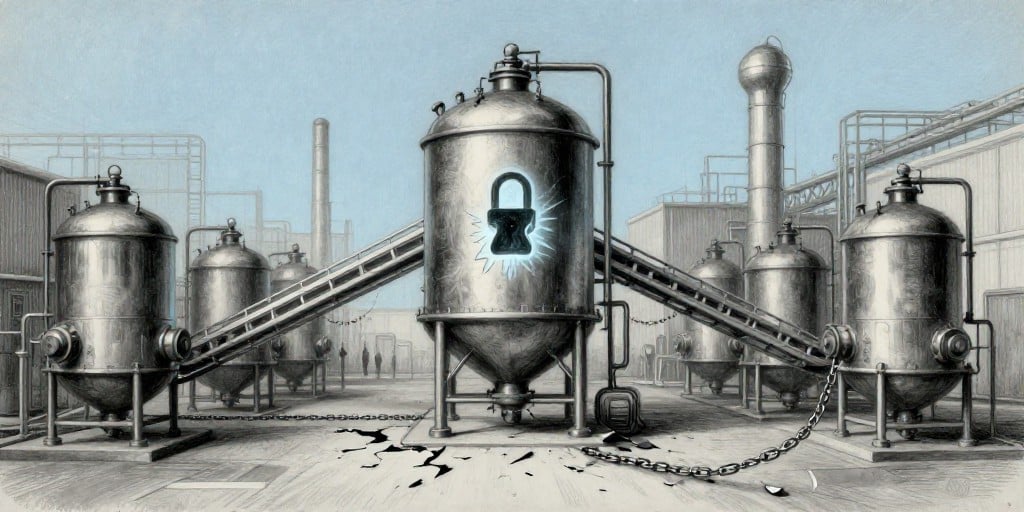
Ransomware Disrupts Fairlife Production: A Lens on Digital Resilience and Consumer Trends
Coca‑Cola has announced that production at its Fairlife dairy facilities in the United States has been temporarily halted following a ransomware attack that compromised the subsidiary’s digital infrastructure. The parent company reported the incident to the U.S. Securities and Exchange Commission, engaged external cybersecurity specialists, and notified law‑enforcement agencies. While product quality and safety remain unaffected, the interruption of U.S. operations—without a definitive resumption timeline—underscores the growing vulnerability of food and beverage manufacturers to cyber threats and the potential ripple effects across supply chains.
1. Digital Disruption Meets Physical Retail
The Fairlife incident illustrates a broader reality: the physical retail environment is increasingly inseparable from its digital backbone. Modern grocery shelves are linked to inventory‑management systems, real‑time pricing engines, and data‑driven demand forecasting tools. When a ransomware attack severs those connections, the consequences ripple beyond the factory floor into distribution centers, retail partners, and ultimately the consumer experience.
- Inventory volatility: Closed production lines mean fewer shipments, which can create stock‑outs or surplus in other regions, forcing retailers to adjust pricing and promotional strategies.
- Consumer trust: Even if safety is assured, repeated disruptions erode confidence, especially among digitally‑savvy shoppers who value transparency and consistency.
- Cost implications: The financial burden extends beyond remediation; it includes lost sales, expedited shipping to meet demand, and potential contract penalties with retailers.
These dynamics compel consumer‑goods firms to rethink how they balance digital agility with operational resilience, a challenge that will intensify as retailers integrate more sophisticated omni‑channel experiences.
2. Generational Spending and the Digital‑Physical Nexus
The current consumer landscape is shaped by distinct generational behaviors that influence purchasing patterns in ways that directly impact corporate strategy.
2.1 Millennials and Gen Z: The Digital First, Physical Last
- Expectation of seamless experience: These cohorts prioritize convenience, favoring platforms that aggregate product information, loyalty programs, and delivery options into a single, intuitive interface.
- Social proof and influencer culture: Online reviews, social media buzz, and peer recommendations drive trial and loyalty, amplifying the importance of a robust digital presence.
A ransomware‑induced halt at Fairlife therefore risks alienating these key demographics if it compromises their ability to locate, track, or purchase the product online or in-store.
2.2 Baby Boomers and Gen X: Bridging Traditional and Digital
- Reliance on brick‑and‑mortar: While many in these groups use digital tools for price comparison and review, they still value the tactile assurance of physically inspecting products.
- Cautious adoption of new tech: Their purchasing decisions often hinge on perceived reliability and security, making them sensitive to news of cyber incidents.
The disruption may lead to increased foot traffic at alternative retailers or a shift toward brands with a more established track record of cyber resilience.
3. Cultural Movements and the Evolution of Consumer Experience
Contemporary cultural currents also shape how consumers engage with brands and products, creating new avenues for business opportunity.
- Health and wellness boom: Fairlife’s positioning as a high‑protein, low‑fat dairy brand resonates with an audience that values nutritional transparency—a trend that has grown alongside the rise of mobile health apps and wearable technology.
- Sustainability and traceability: Consumers increasingly demand insights into supply‑chain provenance. Cyber incidents that threaten data integrity can undermine these expectations unless companies transparently communicate their safeguards.
- Experiential retail: Physical stores are evolving into experiential hubs where consumers can sample products, attend events, and interact with brand ambassadors—activities that require reliable digital systems for inventory, payment, and customer data.
A disruption that hampers the ability to offer real‑time product information or seamless payment options can erode the immersive experience that modern shoppers seek.
4. Market Opportunities Amid Cyber Threats
While ransomware presents significant risks, it also uncovers strategic opportunities for firms that can navigate the intersection of digital transformation and physical retail.
| Opportunity | Strategic Action | Potential Return |
|---|---|---|
| Cyber‑Resilience as a Brand Differentiator | Invest in robust cyber‑security protocols, obtain third‑party cyber‑assessments, and communicate these efforts in marketing campaigns. | Strengthened brand trust, premium pricing potential. |
| Data‑Driven Supply‑Chain Optimization | Leverage predictive analytics to anticipate production downtimes and reroute inventory accordingly. | Reduced stock‑out risk, smoother retailer relations. |
| Integrated Omni‑Channel Experience | Synchronize digital inventory dashboards with in‑store displays and mobile apps to provide real‑time product availability. | Increased sales conversion, higher customer satisfaction. |
| Collaborative Partnerships with Tech Firms | Form alliances with cybersecurity vendors and data‑analytics startups to co‑develop resilient solutions. | Access to cutting‑edge tools, shared risk mitigation. |
Companies that embed resilience into their operational DNA not only safeguard against future incidents but also position themselves favorably in a market that increasingly values digital trust.
5. Forward‑Looking Outlook
The Fairlife incident serves as a cautionary tale for the consumer goods sector, highlighting that digital vulnerabilities can swiftly translate into tangible business disruptions. However, the evolving consumer milieu offers a fertile ground for firms that can align technological safeguards with the lifestyle, generational, and cultural expectations of their customers.
Key takeaways for industry stakeholders:
- Invest in cyber‑security as a core competency – Treat digital resilience not as an optional add‑on but as a foundational element of operational excellence.
- Leverage data to create adaptive supply chains – Use real‑time analytics to anticipate and respond to disruptions, ensuring continuity of supply and service.
- Communicate transparently with consumers – Transparency about cyber incidents, mitigation steps, and product safety can maintain or even strengthen consumer trust.
- Integrate digital and physical touchpoints – Seamless experiences across online and in‑store channels are increasingly essential for capturing and retaining modern consumers.
By embedding these principles into their strategic frameworks, consumer‑goods companies can transform the threat posed by ransomware into an impetus for innovation, resilience, and renewed customer engagement.