Exxon Mobil Holdings Corp. Prepares for Third‑Quarter 2026 Disclosure
On Friday, October 30, 2026, Exxon Mobil Holdings Corp. will release its third‑quarter earnings for the year. The announcement will be disseminated via a press release through Business Wire and will be accompanied by a live conference call at 8:30 a.m. Central Time. Chairman and Chief Executive Officer Darren Woods, together with senior financial officers, will host the call. Investors will also be able to view the presentation and a replay on the company’s investor relations website, with supplemental data to accompany the release.
Market Context: Oil Prices, Refining Margins, and Macro‑Economic Forces
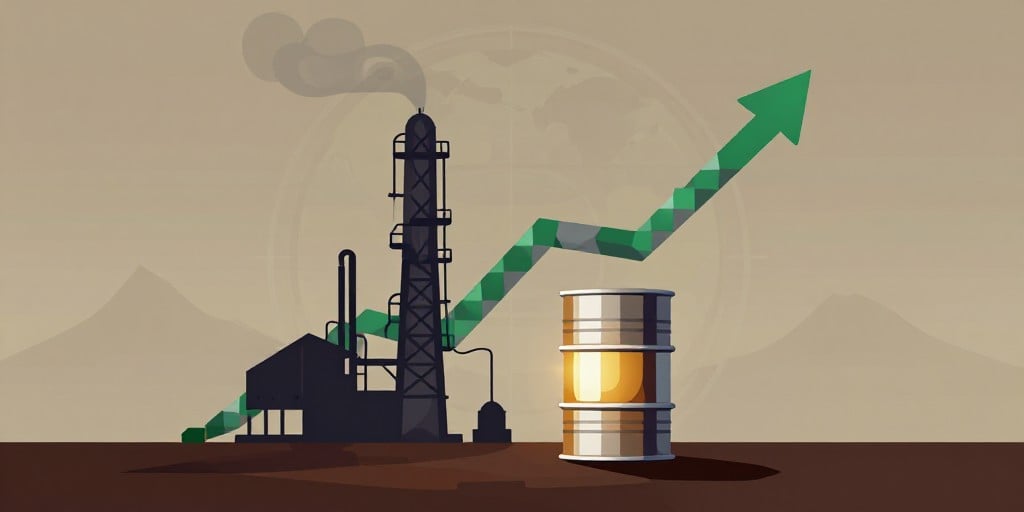
The timing of the disclosure is notable against the backdrop of a rally in crude‑oil prices, which have recently approached the $110‑per‑barrel threshold. This surge has amplified inflationary pressures that market participants are keen to monitor. Energy‑sector stocks, including Exxon Mobil and its peer Chevron, have benefited from the higher crude backdrop, registering gains over the most recent trading week. The elevation in oil costs has also translated into widening refining margins for Exxon Mobil, a trend that the company’s preliminary third‑quarter earnings statement confirmed with a substantial increase in profits that added billions to its bottom line.
Investor Sentiment and Sector Rotation
Across the broader equity markets, sentiment has softened as investors have grown wary of artificial‑intelligence (AI) initiatives, prompting a pullback in technology shares and a rotation toward value and defensive sectors. The S&P 500 has experienced its largest weekly decline since June, while the Nasdaq 100 has slid sharply, reflecting the dual impact of energy price movements and AI‑related volatility. Concurrently, bond markets have reacted to inflation data, with yields moving in a direction that suggests a potential tightening of monetary policy.
Why Exxon Mobil’s Results Matter
Given the confluence of factors—rising oil prices, expanding refining margins, and macro‑economic uncertainty—investors will scrutinize Exxon Mobil’s forthcoming earnings to gauge how the company is navigating these dynamics. Key areas of interest include:
Refining Efficiency and Margin Sustainability Analysts will examine whether the company’s refining operations are capitalizing on higher crude prices without compromising throughput efficiency. A sustained improvement in netbacks could signal a strategic advantage over peers that have higher fixed costs or lower crude‑price elasticity.
Capital Allocation in a High‑Oil Environment The company’s capital expenditures will be evaluated to determine whether it is investing in lower‑carbon initiatives, expanding midstream infrastructure, or returning capital to shareholders. In a market where energy stocks have benefited from higher crude prices, the allocation strategy will reveal management’s confidence in long‑term growth versus short‑term profitability.
Sensitivity to Macro‑Economic Variables The firm’s debt profile, liquidity position, and interest‑rate exposure will be examined in light of potential monetary tightening. A robust balance sheet will mitigate risks associated with rising bond yields, while a heavy reliance on debt could expose the company to refinancing pressure.
Competitive Positioning Against Peers Comparing Exxon Mobil’s operating performance with that of Chevron, Royal Dutch Shell, and other major energy conglomerates will help determine whether the company’s cost structure and geographic diversification provide a competitive edge or expose it to market volatility.
Potential Risks and Opportunities
Risk – Refining Margin Compression While current refining margins are favorable, a rapid decline in crude prices or a resurgence in refinery throughput demand could erode profitability. The company’s hedging strategy and operational flexibility will be critical in mitigating this risk.
Risk – Regulatory Pressures Evolving environmental regulations and potential carbon pricing mechanisms may increase compliance costs. Exxon Mobil’s track record of lobbying and policy engagement will be scrutinized to assess whether it can navigate a shifting regulatory landscape.
Opportunity – Diversification into Low‑Carbon Assets The company’s investment in biofuels, carbon capture, and storage (CCS) projects could provide a hedge against future carbon‑pricing regimes and open new revenue streams. The scalability of these projects and the pace of regulatory approvals will influence long‑term returns.
Opportunity – Strategic Acquisitions In a high‑oil environment, Exxon Mobil may pursue strategic acquisitions of midstream assets or niche refining operations to consolidate market share and achieve cost synergies. Monitoring M&A activity in the near term will be essential to gauge growth prospects.
Conclusion
Exxon Mobil’s forthcoming third‑quarter 2026 earnings release will serve as a critical barometer for the company’s ability to capitalize on an elevated oil price environment while navigating macro‑economic uncertainties and regulatory shifts. Investors, analysts, and industry observers will be keen to assess how the firm’s operational efficiencies, capital allocation decisions, and risk management strategies position it for sustainable profitability in a rapidly evolving energy landscape.