Expedia Group Inc.: Digital‑Retail Synergy as a Catalyst for Consumer‑Centric Growth
Expedia Group Inc. has emerged as a bellwether for the broader trajectory of consumer‑facing enterprises that are seamlessly integrating digital innovation with physical retail touchpoints. Analysts underscore that the travel‑booking platform’s sustained revenue acceleration aligns with shifting demographics, evolving lifestyle preferences, and a cultural pivot toward experiential consumption.
Digital Transformation Meets Physical Presence
The company’s core business model—online travel booking—has historically leveraged the convenience of the internet to streamline itinerary planning, pricing transparency, and customer engagement. Recent strategic investments in artificial‑intelligence‑driven recommendation engines, dynamic pricing algorithms, and an omnichannel mobile ecosystem illustrate how Expedia is not merely riding a digital wave but actively shaping the user experience.
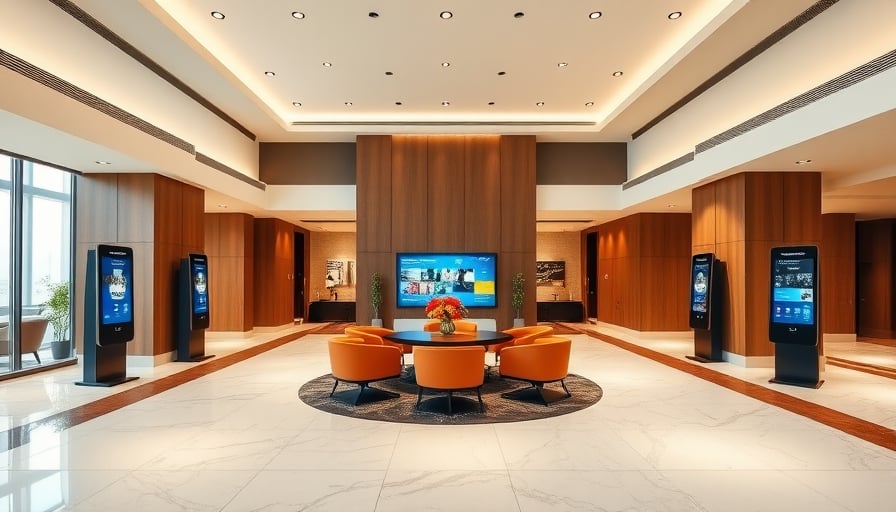
At the same time, the firm is capitalizing on a re‑emergence of physical retail in the form of localized travel agencies, airport lounges, and pop‑up booking kiosks. By embedding its platform into these physical spaces, Expedia enhances brand visibility and taps into the human desire for tactile interaction, even as the majority of transactions remain digital. This hybrid model satisfies both Gen Z’s appetite for instant, data‑rich solutions and Millennials’ preference for curated, personalized experiences that combine digital efficiency with physical authenticity.
Demographic Shifts and Generational Spending Patterns
The travel sector has been reshaped by the arrival of Generation Z, whose consumption habits are markedly distinct from earlier cohorts. Data from the U.S. Bureau of Labor Statistics and industry surveys indicate that Gen Z prioritizes experiences over ownership, prefers platforms that integrate social sharing, and values sustainability. Expedia’s focus on eco‑friendly travel options, transparent carbon‑offset programs, and curated “green” itineraries positions the company to capture this new wave of conscious travelers.
Millennials, now in their late thirties and early forties, represent a substantial segment of discretionary spend. Their travel budgets are characterized by a desire for authenticity, local immersion, and personalized itineraries. Expedia’s investment in user‑generated content, localized search capabilities, and partnership networks with boutique hotels and regional tour operators directly addresses these preferences, enabling the platform to command higher margins through premium, experience‑based offerings.
Cultural Movements and Business Opportunities
A broader cultural movement toward “experiential luxury” and “authentic travel” has created a fertile environment for companies that can curate meaningfully differentiated journeys. Expedia’s strategic collaborations with cultural institutions, heritage tours, and local artisans allow it to tap into this niche. By packaging travel as a lifestyle choice rather than merely a logistical necessity, the platform elevates its brand perception and opens new revenue streams—from curated content subscriptions to exclusive event access.
Moreover, the pandemic‑induced acceleration of digital adoption has permanently altered consumer expectations for speed, convenience, and personalization. Companies that fail to meet these expectations risk obsolescence. Expedia’s sustained focus on data analytics to anticipate travel trends, combined with real‑time customer service chatbots, ensures that it remains a step ahead of competitors still lagging behind in digital readiness.
Forward‑Looking Analysis: Market Opportunities
Augmented Reality (AR) Integration Embedding AR previews of destinations and accommodations can increase conversion rates, especially among tech‑savvy Gen Z travelers. Expedia’s existing partnership with AR technology firms positions it to launch immersive booking experiences that blend virtual exploration with real‑world purchase decisions.
Sustainability as a Differentiator Expanding carbon‑offset programs and offering transparent environmental impact metrics can attract the environmentally conscious segment, generating loyalty and potentially justifying premium pricing.
Cross‑Sector Partnerships Collaborations with fintech, health‑tech, and entertainment sectors can create bundled travel‑plus‑experience packages. For instance, integrating telehealth services into long‑haul travel itineraries would appeal to business travelers concerned about wellness.
Localized Micro‑Marketplace Development Building a micro‑marketplace for local experiences—artisan food tours, community‑run tours—can diversify revenue sources and deepen community engagement, thereby enhancing brand equity in the long term.
Data‑Driven Personalization at Scale Leveraging machine learning to refine recommendation engines will continue to be a key driver of higher average order value, especially as consumers seek more personalized, hassle‑free planning tools.
Conclusion
Expedia Group Inc.’s trajectory exemplifies how a consumer‑centric corporation can navigate the intersection of digital innovation and physical retail to meet evolving lifestyle trends, demographic shifts, and cultural movements. By embedding advanced analytics, sustainability initiatives, and experiential curation into its platform, the company is not merely responding to market forces—it is actively shaping the future of travel. Stakeholders who recognize and invest in these converging opportunities will be positioned to capture the long‑term value that arises from society’s ongoing shift toward digital convenience coupled with an enduring desire for meaningful, personalized experiences.