
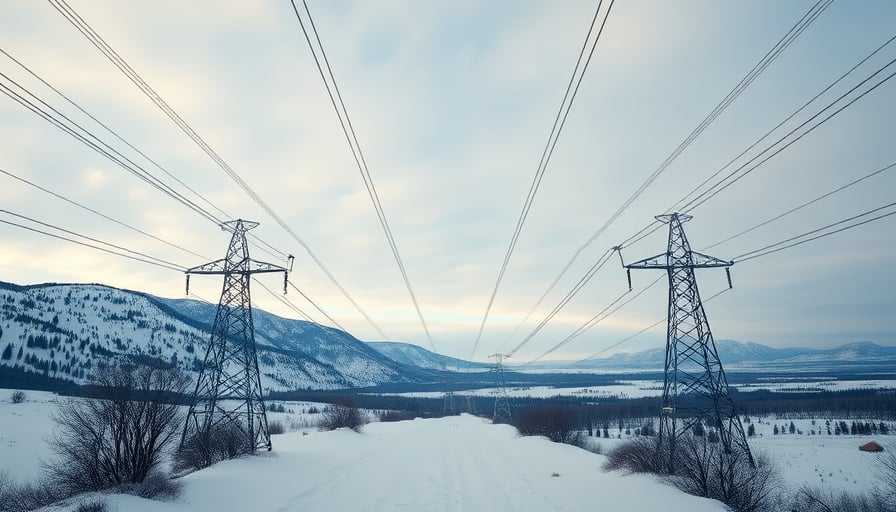
Exelon Corp. Augments Customer Relief Fund Amid Rising Winter Demand
Exelon Corporation, a prominent utility operator serving customers across Illinois and Pennsylvania, has announced an increase of its customer relief fund by $10 million. The move, reported by multiple media outlets, coincides with the onset of the winter season, a period historically characterized by heightened energy consumption due to heating requirements and extended indoor activity.
Contextualizing the Fund Expansion
Utility companies routinely establish relief funds to mitigate the impact of seasonal spikes in electricity and gas demand. By reallocating capital toward such reserves, Exelon signals its readiness to absorb short‑term cost increases without resorting to rate adjustments that could burden residential and commercial consumers. The timing of the augmentation aligns with the broader industry trend of proactively addressing forecasted demand surges, particularly in the northeastern United States where winter temperatures frequently dip below freezing.
Operational Footprint and Service Portfolio
Exelon’s core operations are centered on electricity distribution within Illinois and Pennsylvania, complemented by natural gas supply in the Philadelphia market. The company’s infrastructure includes an extensive network of power lines, substations, and gas pipelines, all of which must be maintained and upgraded to meet regulatory standards and service reliability objectives. By bolstering its relief fund, Exelon positions itself to better manage contingencies such as equipment failures, extreme weather events, or sudden spikes in customer usage that could otherwise strain operational resources.
Competitive Positioning and Market Dynamics
Within the regulated utility sector, competitive differentiation often hinges on customer service quality, reliability metrics, and proactive community engagement. Exelon’s decision to increase its relief fund may enhance its reputation as a customer‑centric organization, potentially yielding intangible benefits such as improved public perception and strengthened stakeholder trust. Additionally, the fund supports the company’s long‑term strategic initiatives, including grid modernization efforts and the integration of renewable energy sources, all of which require substantial upfront investment.
Economic Drivers and Broader Trends
The utility industry operates at the intersection of energy policy, climate variability, and macro‑economic conditions. Rising winter demand is driven by:
- Weather‑related consumption patterns: Lower temperatures necessitate greater heating loads.
- Economic activity: Industrial and commercial operations may intensify during colder months.
- Energy price volatility: Fluctuations in wholesale gas and electricity markets can influence cost structures.
Exelon’s fund augmentation can be seen as a buffer against these variables, enabling the company to absorb short‑term cost escalations without immediate rate hikes. This strategy aligns with a broader sectoral shift toward resilience planning and financial prudence, particularly in the context of evolving regulatory frameworks that emphasize reliability and consumer protection.
Conclusion
Exelon Corp.’s increase of its customer relief fund by $10 million reflects a deliberate effort to reinforce its operational readiness during a season of elevated energy demand. While the company’s principal activities remain anchored in electricity distribution and gas supply, the additional reserve underscores Exelon’s commitment to maintaining service continuity and protecting consumer interests. The move demonstrates an awareness of the complex interplay between weather patterns, market forces, and regulatory expectations that shape the utility landscape, positioning the company to navigate forthcoming challenges with greater fiscal flexibility.