Corporate News Article Body
The European food manufacturing sector has witnessed a significant strategic development as CVC Capital Partners moves forward with an exclusive partnership involving two long‑established players, Panzani and Cerealis. The proposed transaction aims to form an independent, diversified food group whose combined annual revenues are projected to approach one billion euros. The partnership is underpinned by the support of Cerealis’ founding families, Sofina, and CVC Capital Partners themselves.
Strategic Rationale
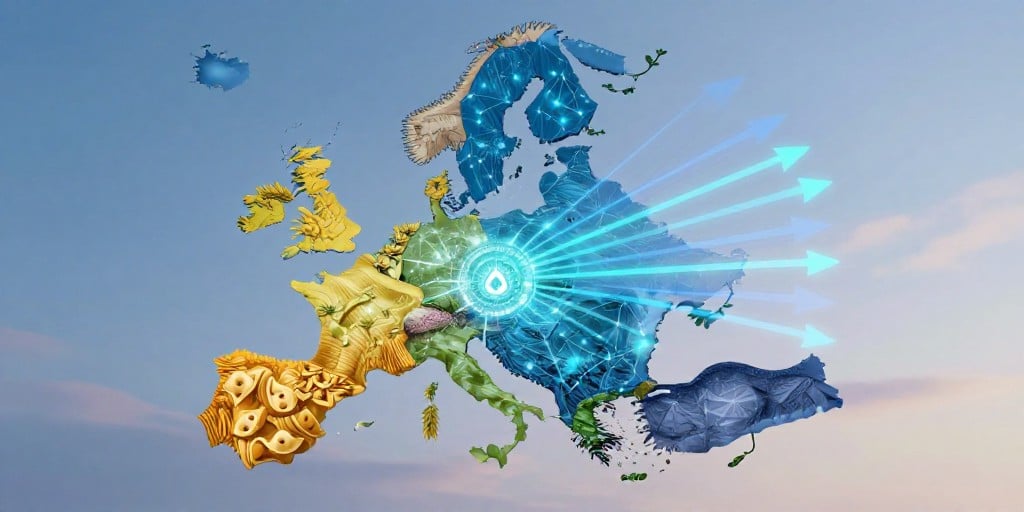
The merger seeks to harness complementary geographic footprints and product portfolios. Panzani has cultivated a robust presence in France, the Netherlands, and Central Europe, while Cerealis operates primarily in Portugal, Spain, the Czech Republic, and Poland. By aligning these regional strengths, the new entity intends to broaden its market reach across the continent, leveraging established brands to penetrate new markets and customer segments.
Product-wise, the combined group will span pasta, couscous, sauces, breakfast cereals, and snack bars. This breadth provides an opportunity to cross‑sell complementary items and to develop integrated supply chains that reduce per‑unit costs while enhancing distribution efficiency. The intent is not only to consolidate existing categories but also to introduce new product lines that can capitalize on emerging consumer trends such as plant‑based alternatives, fortified foods, and ready‑to‑eat convenience items.
Governance and Operational Model
Both firms have agreed to preserve a decentralized operating framework—a model that has historically underpinned their individual successes. The leadership structure will see Panzani’s chairman, Albert Mathieu, overseeing the merged group’s Central European operations, while Cerealis’ chief executive, Paula Meireles, will manage the Iberian and international private‑label businesses. Executive Vice‑Chairman Pedro Moreira da Silva will provide overarching governance, ensuring that strategic decisions align with the long‑term vision of the combined entity.
CVC Capital Partners will maintain a minority stake, allowing it to influence capital allocation and strategic direction without compromising the autonomy of the existing shareholders. The board will comprise representatives from Cerealis’ founding families, Sofina, and CVC, thereby blending private‑equity discipline with family‑owned stewardship.
Market Implications
From an industry perspective, the merger introduces a new player capable of competing with larger pan‑European food conglomerates such as Danone, Nestlé, and Unilever. By pooling production capacity and investing in branding and innovation, the new group can pursue economies of scale while preserving the localized expertise that drives consumer loyalty. Furthermore, the diversification of product lines mitigates exposure to commodity price volatility, particularly in the wheat and corn sectors that underpin pasta and cereals.
The consolidation also positions the group to better navigate regulatory environments across multiple jurisdictions. A unified compliance framework will streamline approvals for new products and distribution agreements, potentially shortening time‑to‑market for innovations.
Regulatory and Workforce Considerations
The transaction is subject to customary employee consultations and regulatory approvals, including antitrust reviews in the European Economic Area. Successful clearance will likely hinge on demonstrating that the merger enhances competition through increased efficiency and product variety rather than creating monopolistic market power. Workforce implications will be managed through transparent communication plans and retention strategies for key talent in both firms.
Outlook
Once approvals are secured, the merged entity anticipates establishing a solid foundation for future growth and investment. Planned initiatives include expanding production capacity, reinforcing brand equity, and accelerating research into next‑generation food products. By aligning complementary strengths and maintaining a decentralized, yet cohesive, governance structure, the new group positions itself to adapt swiftly to shifting consumer preferences, supply‑chain disruptions, and broader macroeconomic trends that affect the food manufacturing landscape across Europe.