European Equity Market Reaction to the U.S.–Iran Ceasefire
European stocks rallied sharply in the wake of the two‑week U.S.–Iran ceasefire announcement, with the CAC 40 advancing more than four percent on the back of a steep decline in crude prices and a contraction in bond yields. The lift in sentiment was driven primarily by relief for energy‑related shares and a broader risk‑on environment that lifted automotive, industrial and luxury conglomerates. Among the leaders were LVMH Moët Hennessy Louis Vuitton, Airbus, Safran and ArcelorMittal.
In France, the macro‑economic backdrop was uneven. While the construction sector’s purchasing‑managers index remained in contraction, trade deficits widened and retail sales stayed modest. Consumer confidence, though improved, had not yet fully rebounded. The luxury sector, in particular, faced headwinds from geopolitical tensions and a slowdown in Middle‑Eastern demand.
LVMH: Revenue Sensitivity and Cost‑Efficiency
LVMH’s first‑quarter earnings preview indicated that revenue growth would be dampened by a sudden contraction in Middle‑Eastern sales—a region that had previously supplied a significant share of the group’s fashion and leather revenue streams. The decline in tourism spending, coupled with reduced travel to key markets such as Dubai and Doha, was expected to translate into a modest drop in overall revenue growth. Nevertheless, earnings were projected to rise modestly, in line with the broader European trend of earnings expanding faster than top line, as cost‑cutting measures take effect.
The ceasefire and accompanying easing of oil prices delivered a short‑term boost to European equities and helped LVMH benefit from a sectoral rally. Yet the company’s underlying revenue drivers remain highly susceptible to geopolitical developments, and its future performance will hinge on the pace at which Middle‑Eastern demand stabilises.
Linking Societal Shifts to Consumer‑Facing Business Opportunities
Digital Transformation vs. Physical Retail
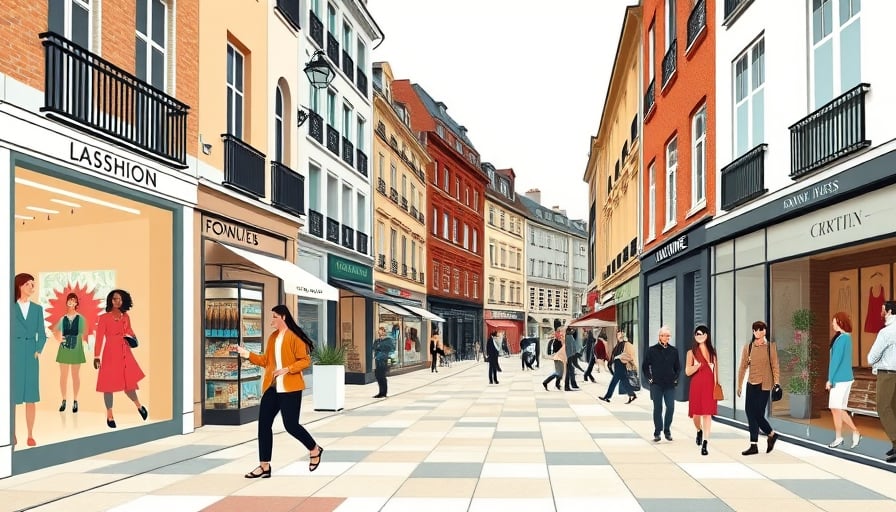
The pause in the oil market has sharpened investors’ focus on how brands balance digital engagement with the tactile experience that luxury consumers still prize. The luxury sector’s digital footprint has grown steadily: e‑commerce sales now account for roughly 10 % of total revenue, yet in-store experience remains critical for high‑ticket items. LVMH’s strategy of integrating digital touchpoints—such as augmented‑reality try‑ons and data‑driven personalised service—within flagship boutiques exemplifies a hybrid model that satisfies the desire for convenience without eroding the exclusivity that defines luxury consumption.
Generational Spending Patterns
Millennial and Gen‑Z consumers, now a growing proportion of the spend‑power, favour experiences over possessions, and value sustainability and provenance. Luxury brands are increasingly leveraging storytelling, transparent supply chains and limited‑edition collaborations to cater to this demographic. The shift towards “slow luxury”—where products are crafted to last and carry cultural significance—aligns with the rising emphasis on responsible consumption and offers a growth vector for brands willing to invest in heritage and craftsmanship.
Cultural Movements and Market Opportunities
Cultural shifts around wellness, mental well‑being and sustainable living have permeated the consumer goods landscape. The convergence of fashion, technology and wellness is giving rise to the “wellness‑centric” lifestyle segment, where consumers seek products that enhance both physical appearance and inner harmony. For instance, luxury fragrance houses are exploring aromatherapy‑based scents that promise relaxation, while high‑end apparel brands incorporate adaptive fabrics that support ergonomics and sustainability.
Forward‑Looking Analysis
Geopolitical Resilience Through Diversification LVMH’s exposure to Middle‑Eastern markets underscores the need for geographical diversification. Expanding into emerging economies in Southeast Asia and Latin America—where consumer confidence is rising and digital penetration is accelerating—can offset regional downturns. Simultaneously, developing omnichannel retail models that blend brick‑and‑mortar allure with e‑commerce scalability will cushion against volatility.
Investment in Digital‑First Experiences Brands that successfully marry immersive technology with personalised service will capture the attention of tech‑savvy consumers. For luxury, this means deploying AI‑driven recommendation engines, virtual showrooms and blockchain‑based provenance verification. These tools not only enhance the customer journey but also create new revenue streams through data monetisation and subscription models.
Sustainability as a Differentiator The growing consumer focus on environmental stewardship presents a dual opportunity: compliance and differentiation. Firms that embed circular economy principles—such as repair services, resale platforms and biodegradable materials—will attract a conscientious clientele. Moreover, sustainability initiatives can reduce operational costs, improving margins in a high‑cost environment.
Experience‑Centric Retail Physical stores are increasingly venues for curated experiences rather than pure sales points. Pop‑up events, live workshops, and in‑store concierge services that create memorable moments will drive footfall and loyalty. Retailers should reimagine spatial design to foster community, allowing consumers to connect with the brand’s narrative in a tangible way.
Adapting to Generational Preferences With Millennials now dominating the high‑end market segment, brands must focus on transparency, ethical sourcing, and social impact. Marketing campaigns that highlight artisanship, cultural heritage and charitable partnerships resonate strongly. Meanwhile, Gen‑Z’s affinity for digital natives necessitates a robust social‑media presence, influencer collaborations and interactive content.
Conclusion
The ceasefire‑driven rally in European equities underscores the sensitivity of energy‑related and luxury sectors to macro‑economic shocks, yet it also highlights the resilience and adaptability of forward‑thinking firms. LVMH’s recent performance illustrates the delicate balance between revenue growth, cost control and geopolitical exposure. For brands navigating the evolving landscape, the convergence of digital transformation, experiential retail and sustainable consumption will define the competitive edge. By aligning business strategies with lifestyle trends, demographic shifts and cultural movements, companies can transform societal changes into tangible market opportunities and secure long‑term growth.