European Markets and the Shifting Landscape of Consumer Retail
European equities closed the week on a modest decline, with the euro‑zone index slipping slightly on Friday. The fall reflected a confluence of weak macro‑economic data, volatile oil prices, and a cautious outlook for the French economy. In particular, the services sector in France has contracted, prompting investors to reassess the prospects of high‑valuation firms in technology and luxury. While the energy sector delivered a modest counterweight to the day’s losses, the overarching sentiment remained prudent.
Luxury Brands Under Pressure: A Case Study in Cost Rationalisation
France’s benchmark index suffered from the underwhelming quarterly results of several luxury names. LVMH’s Moët Hennessy Louis Vuitton announced a consultation process at its watch‑making subsidiary Zenith, signalling a potential mass lay‑off as the brand shifts toward higher‑end product lines. This move is emblematic of a broader trend in the luxury sector, where cost rationalisation is a direct response to a slump in demand from China and a tightening of consumer spending amid rising inflation.
Kering’s shares fell after Gucci reported a decline in sales, with the brand’s performance in China and Japan dampening investor confidence. Hermes also slipped following a less‑than‑expected earnings report. In contrast, L’Oréal managed to lift its shares by nearly five percent on stronger sales figures, illustrating that growth can still be achieved when a brand adapts to changing consumer expectations.
Oil Prices and Energy Resilience
Oil prices remained a key factor, staying above US$114 a barrel and supporting gains in energy‑related stocks. The resilience of the energy sector helped offset losses in other areas, but the overall market sentiment remained cautious. The day’s trading highlighted how intertwined commodity prices, macroeconomic signals, and sector‑specific earnings can shape European equity performance.
Editorial Perspective: Lifestyle, Demographic Shifts, and Business Opportunities
1. Digital Transformation Meets Physical Retail
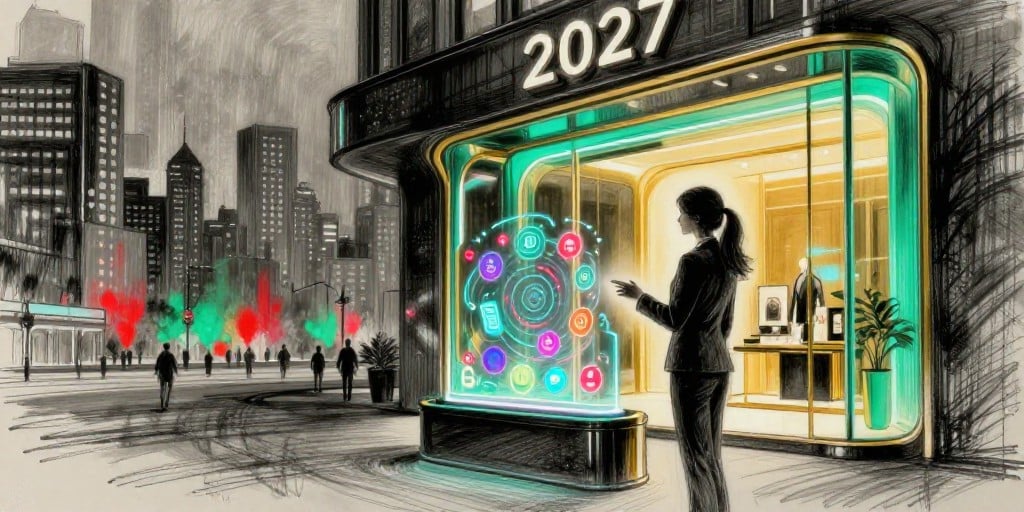
The post‑pandemic era has accelerated the integration of digital and physical retail. While e‑commerce continues to dominate impulse purchases, experiential retail is resurging as consumers seek tangible, curated encounters. Luxury brands that blend online personalization with immersive in‑store experiences—such as virtual try‑on technology, augmented reality showrooms, and exclusive concierge services—can capture a niche of high‑spending millennials and Gen Z shoppers who value authenticity and storytelling.
2. Generational Spending Patterns and the Rise of Value‑Driven Consumption
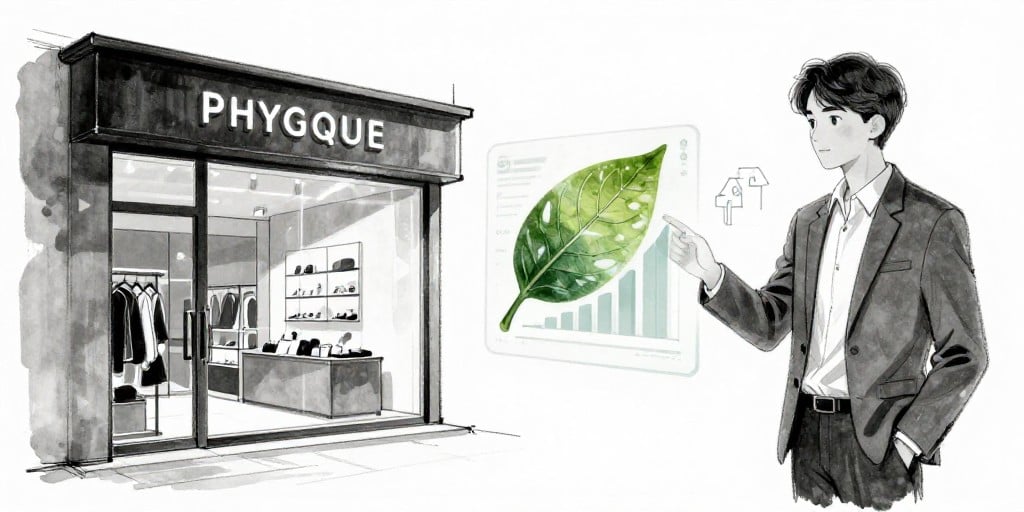
The current generation of consumers places a premium on sustainability, ethical sourcing, and social impact. Younger shoppers are willing to pay a premium for brands that demonstrate responsibility, but they also scrutinise cost‑efficiency. Companies that streamline operations, adopt circular business models, and offer transparent supply chains will appeal to this demographic. Consequently, cost rationalisation initiatives—like those at Zenith—can be reframed as strategic moves to re‑allocate capital toward sustainability and innovation rather than mere expense cutting.
3. Cultural Movements Shaping the Consumer Experience
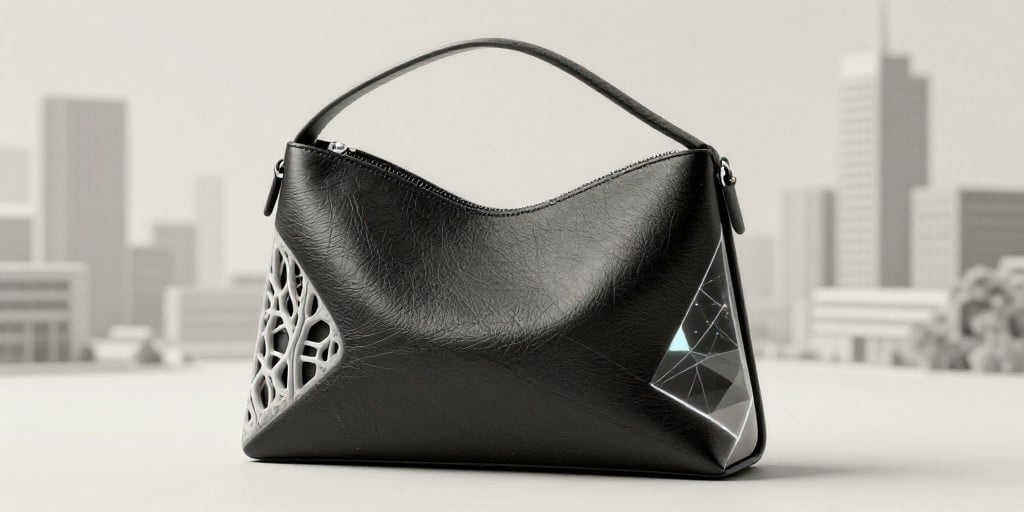
Cultural currents such as the resurgence of heritage craftsmanship, the fusion of streetwear and haute couture, and the “slow fashion” ethos are redefining the luxury narrative. Brands that can authentically integrate these movements into their product lines, marketing, and retail design will differentiate themselves. For instance, a luxury watchmaker that incorporates artisanal techniques with contemporary design can tap into nostalgia while satisfying modern sensibilities.
Forward‑Looking Analysis: Translating Societal Changes into Market Opportunities
| Trend | Business Opportunity | Strategic Implication |
|---|---|---|
| Hybrid Retail | Omnichannel platforms blending digital engagement with curated physical spaces | Investment in AR/VR, data analytics for personalization |
| Sustainability Demand | Circular fashion, responsible sourcing | Supply‑chain transparency, recycled materials, ESG reporting |
| Experience‑Centric Shoppers | Immersive in‑store events, exclusive memberships | Loyalty programs, limited‑edition collaborations |
| Cost Rationalisation | Lean operations, strategic workforce allocation | Reinvestment in R&D, digital capabilities |
| Globalisation of Luxury | Expansion into emerging markets (e.g., India, Brazil) | Localised product lines, culturally relevant marketing |
The convergence of these dynamics suggests a future where luxury and consumer brands must balance heritage with innovation, cost efficiency with experiential richness, and global reach with local relevance. Companies that recognise the interconnectedness of lifestyle trends, demographic shifts, and cultural movements will be better positioned to unlock sustainable growth in a rapidly evolving marketplace.