Market Overview
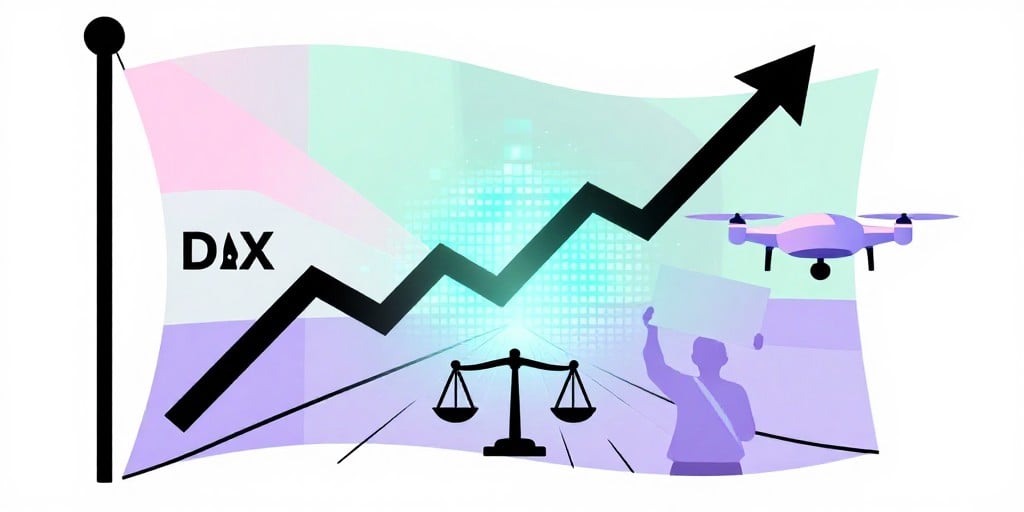
European equities concluded the week on a mixed trajectory, reflecting a confluence of sector‑specific developments and macro‑geopolitical pressures. In the German benchmark, the DAX posted a modest gain after an early‑session dip, while the French CAC 40 and the Swiss SMI closed higher. Conversely, the Stoxx 600 and the UK’s FTSE 100 ended the day on slight declines, underscoring persistent apprehensions over oil price volatility and civil unrest in several European jurisdictions.
Energy Sector Highlights
E.ON SE
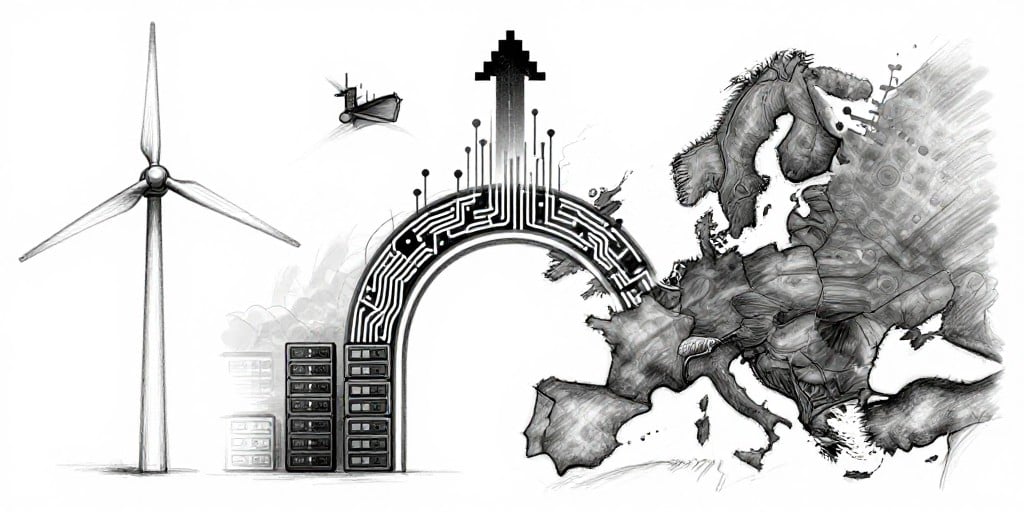
E.ON SE’s shares experienced a modest uptick, attributed to a recent deployment of an advanced grid‑planning platform. The company’s majority‑owned subsidiary introduced a GPU‑accelerated power‑flow solver, which is now operational at a major Czech distribution operator. According to management, the technology delivers near‑instantaneous grid calculations without compromising physical fidelity. The firm intends to broaden the application to hosting‑capacity studies and large‑scale planning scenarios, signalling a strategic shift toward high‑performance computing solutions in grid management.
Other Energy Players
Both Siemens Energy and the parent company Siemens registered modest gains, reflecting investor confidence in their power‑generation portfolios. However, a handful of utilities and infrastructure operators saw slight declines, mirroring broader sectoral uncertainty amid fluctuating commodity prices and regulatory scrutiny. Oil price swings exerted a notable influence: an initial surge provided a temporary lift to the indices, only to be followed by a retreat that contributed to intraday volatility.
Technology Sector Performance
German software leaders SAP and Infineon benefited from stronger‑than‑expected earnings releases, pushing their respective stocks higher. The earnings beat was driven by robust demand for enterprise resource planning solutions and semiconductor production capacity. In contrast, several consumer‑goods companies delivered mixed outcomes; those reporting solid quarterly revenues outperformed expectations, while others faced headwinds from market sentiment and operational challenges.
Regulatory and Geopolitical Context
European regulators are progressively exploring the involvement of private operators in counter‑drone defenses. France, along with other member states, is considering granting critical‑infrastructure firms the authority to detect and neutralise aerial threats. This policy evolution reflects heightened concerns over hybrid attacks and the risk that drone incursions could disrupt power supplies and other essential services.
Conclusion
The week’s trading activity underscored a market still adapting to a nexus of energy‑sector innovations, geopolitical tensions, and evolving regulatory frameworks. While investor sentiment remains cautiously optimistic, uncertainty persists—particularly concerning oil price dynamics, civil unrest, and the pace of regulatory change. European investors are likely to continue monitoring these converging factors as they shape market trajectories in the coming months.