European Markets and Luxury Sectors: A Landscape of Shifting Consumer Dynamics
European equity indices recorded modest declines on Thursday, a reaction to a confluence of macro‑economic pressures. The pan‑European Stoxx 600, London’s FTSE 100, Germany’s DAX, and France’s CAC 40 all slipped, with the downturn attributed to subdued commodity prices, recent inflation readings, and escalating geopolitical tension in the Middle East. The spike in oil prices, a direct consequence of that tension, dampened investor sentiment across the region and amplified concerns about future inflationary pressures.
The Luxury Resilience in France
Amid the broader sell‑off, France’s luxury sector offered a partial hedge. LVMH shares gained between 1 % and 1.5 %, accompanied by upside in other high‑profile luxury and fashion names. The upward momentum in the CAC 40 was bolstered by gains in technology and financial stocks, even as many consumer‑facing names recorded modest losses. This divergence highlights the growing importance of consumer confidence in discretionary spending, particularly within the luxury segment that benefits from both enduring brand equity and a robust global affluent base.
Strategic Capital Moves in the Italian Luxury Market
Two major corporate developments underscored the fluidity of capital structures within the luxury and fashion ecosystem:
Tod’s Refinancing Initiative Tod’s is reportedly in advanced negotiations with a consortium of lenders to refinance its debt through a blend of term loans and revolving credit facilities. The arrangement is underpinned by an equity commitment from the company’s owners, which includes a significant stake held by LVMH. The refinancing aims to alleviate short‑term financial pressure while the company navigates a shift in consumer preferences and a downturn in demand from key markets. This move reflects the broader trend of luxury houses leveraging flexible financing to sustain operational agility amid evolving consumer habits.
L’Oréal and EssilorLuxottica’s Stake in Armani L’Oréal, joined by EssilorLuxottica, is leading an investor group that seeks to acquire a 15 % stake in the Italian fashion brand Armani. The negotiation is part of a succession plan that could eventually culminate in a broader listing. LVMH has signaled that it will not participate in these talks, illustrating the competitive and selective nature of equity investment within the sector.
Connecting Lifestyle Trends, Demographic Shifts, and Business Opportunities
The corporate actions above are symptomatic of larger socio‑cultural currents that are reshaping consumer behavior and, consequently, market opportunities:
| Trend | Consumer Insight | Business Opportunity |
|---|---|---|
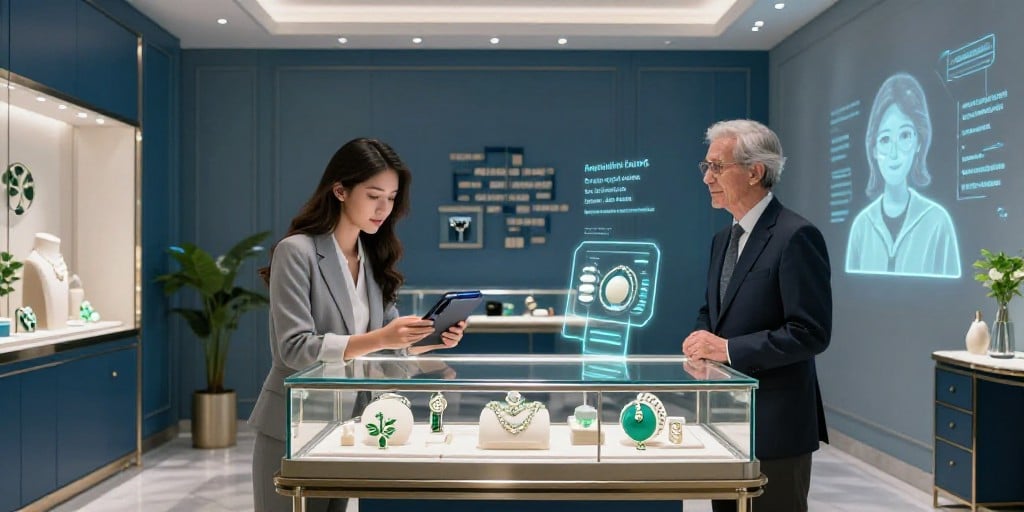
| Digital Transformation of Physical Retail | Millennials and Gen Z increasingly expect seamless omnichannel experiences, blending online convenience with in‑store personalization. | Retailers can invest in augmented‑reality fitting rooms, AI‑driven recommendation engines, and flexible point‑of‑sale technologies that bridge the digital‑physical divide. |
| Shift Toward Sustainability and Ethical Consumption | Post‑pandemic consumers place greater emphasis on environmental stewardship and corporate transparency. | Brands that integrate circular economy principles, traceable supply chains, and transparent ESG reporting can differentiate themselves and capture a growing market share. |
| Generational Spending Patterns | Gen X and older cohorts value heritage and quality, whereas Gen Z and Millennials prioritize brand story and experiential value. | Luxury houses can curate multi‑generational product lines that blend heritage craftsmanship with contemporary lifestyle narratives, supported by targeted social‑media storytelling. |
| Evolution of Consumer Experience | Consumers now seek immersive brand encounters that transcend product ownership. | Experiences such as pop‑up ateliers, virtual fashion shows, and subscription‑based “experience boxes” can create new revenue streams and deepen brand loyalty. |
Forward‑Looking Analysis
Capital Structure Flexibility as a Competitive Edge Companies that can secure flexible financing—through a mix of debt, revolving credit, and equity commitments—will be better positioned to weather cyclical demand swings. The Tod S refinancing exemplifies how strategic debt restructuring can provide breathing room while preserving operational momentum.
Strategic Equity Partnerships as Market Positioning The L’Oréal‑EssilorLuxottica stake in Armani demonstrates how targeted equity investments can serve dual purposes: providing capital to a brand undergoing succession planning while positioning the investor for future upside. This model can be replicated across the industry, enabling conglomerates to deepen their influence in niche segments.
Digital‑Physical Hybrid Models Will Dominate The convergence of e‑commerce and brick‑and‑mortar stores is not a transient trend; it is a permanent shift. Brands that invest in technology that enhances in‑store experiences—such as data‑driven personalization, real‑time inventory management, and integrated loyalty platforms—will capture higher conversion rates and customer lifetime value.
Generational Alignment Will Drive Product Innovation Understanding the distinct motivations of each generation allows luxury houses to tailor product attributes, marketing messages, and distribution strategies. For instance, eco‑friendly packaging and transparent sourcing may resonate more strongly with Gen Z, whereas bespoke craftsmanship appeals to Gen X.
Geopolitical and Commodity Volatility as a Catalyst for Diversification The recent market sell‑off, driven in part by oil price spikes, underscores the importance of geographic and product diversification. Luxury brands that spread their revenue base across emerging markets and offer diversified product lines (e.g., accessories, fragrances, digital experiences) can mitigate regional shocks.
Conclusion
The European market’s muted performance, coupled with the dynamic moves in the luxury and fashion sectors, signals a period of adjustment where consumer expectations are evolving rapidly. Companies that harness digital innovation, maintain flexible capital structures, and align their product portfolios with generational values will not only weather current volatility but also unlock new avenues for growth. As the intersection of lifestyle trends and business strategy becomes increasingly pronounced, the luxury sector remains a compelling battleground for those poised to translate societal shifts into tangible market opportunities.