Corporate News: Investigating the Shifting Landscape of European Equities
European equity markets finished the day with a muted, mixed performance that underscored the growing sensitivity of technology and infrastructure sectors to monetary‑policy signals. While German indices exhibited a brief early‑day rise, a subsequent pullback highlighted the fragility of capital‑intensive projects amid tighter borrowing conditions. A deeper look reveals a confluence of regulatory shifts, competitive pressures, and valuation dynamics that are shaping the future of several key industry verticals.
1. The German Index in the Spotlight
1.1. Morning Momentum vs. Afternoon Retreat
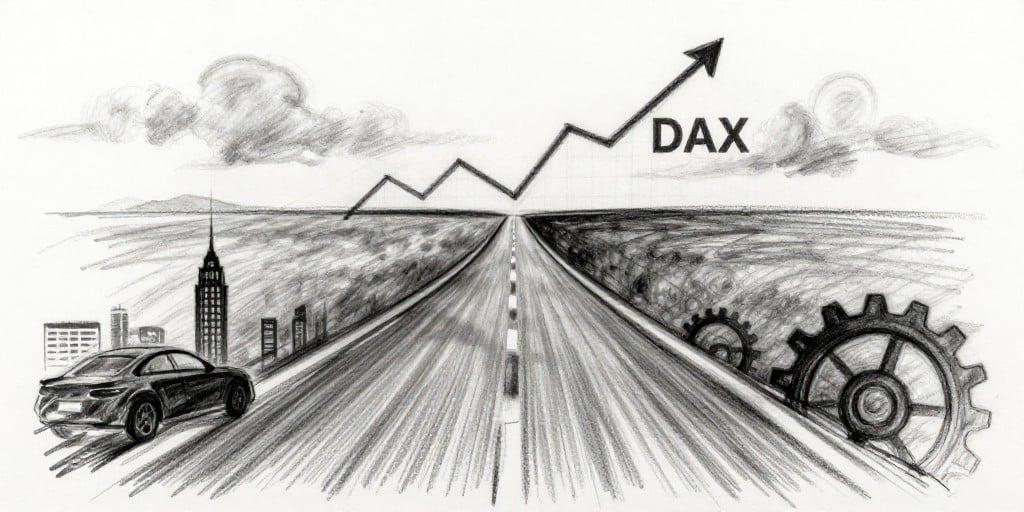
The DAX opened slightly higher, buoyed by a handful of consumer‑tech names. However, a decline later in the session pulled the index into negative territory, mirroring a broader retreat in technology‑heavy stocks. Market participants interpreted this as a response to a shift in U.S. Treasury yields, which had fallen, easing immediate borrowing cost concerns but simultaneously raising fears that the Federal Reserve’s dovish stance may be a prelude to a tightening cycle.
1.2. Impact on Construction & Infrastructure
Hochtief, the world‑wide construction and infrastructure giant, experienced a modest share price dip. This mirrored the performance of peers such as Siemens Energy and Infineon. The underlying cause appears twofold:
Valuation Compression in AI‑Related Subsectors Semiconductor and AI‑related companies—Infineon, Suss Microtec, and Aixtron—recorded significant declines. Their valuations have been eroded by expectations of slower growth, as capital expenditures for AI infrastructure are perceived to be highly sensitive to interest rates.
Regulatory Uncertainty in Energy & Infrastructure German energy policy is in a state of flux, with the government accelerating a transition to renewables while simultaneously tightening environmental regulations. This has increased the cost of compliance and slowed project approvals, adding further pressure on capital‑intensive firms.
1.3. Resilient Sectors
Conversely, segments of the index less exposed to AI investments performed modestly better. Digital‑services and consumer‑technology companies, which have lower leverage and more diversified revenue streams, edged higher. Telecommunications names also benefited from the surge in demand for bandwidth as remote work persists.
2. Mid‑Cap Dynamics: LUS‑DAX Insights
The LUS‑DAX, which tracks mid‑cap German companies, recorded a small afternoon decline. Hochtief’s underperformance was also noted here, reflecting a broader reluctance among mid‑cap firms to commit to high‑leverage projects in an environment of rising borrowing costs. Companies in the digital services and consumer sectors dominated the index’s leading positions, signaling that firms with lower debt ratios are better positioned to navigate the current uncertainty.
3. Broader Eurozone Context
Across the Eurozone, the EuroStoxx 50 slipped slightly, suggesting a mild contagion effect from Germany’s tech pullback. In contrast, the FTSE 100 and Swiss SMI recorded gains, buoyed by supportive commentary from UK financial authorities that emphasized the resilience of the British financial services sector. This divergence underscores how sectoral composition and macro‑policy narratives shape regional index performance.
4. Underlying Risks and Opportunities
| Risk | Opportunity |
|---|---|
| Higher borrowing costs for AI infrastructure could dampen future earnings for chipmakers and data‑centre operators. | Shift toward cloud and edge computing may create new revenue streams for digital‑service providers less exposed to heavy capital outlays. |
| Regulatory tightening in energy and infrastructure could slow project pipelines, hurting firms like Hochtief. | Renewable‑energy projects may benefit from new EU incentives and green‑finance mechanisms, offsetting some regulatory pressures. |
| Valuation compression in AI‑related semiconductor stocks may reduce upside potential for investors. | Emerging markets for AI hardware may still offer growth opportunities for niche players that can navigate the high‑leverage environment. |
| Competitive consolidation may lead to market concentration, eroding smaller firms’ bargaining power. | Strategic M&A in the technology sector could create value for firms that successfully integrate complementary capabilities. |
5. Conclusion
The day’s market activity highlights the growing interplay between monetary policy signals, regulatory developments, and sector‑specific dynamics. While German blue‑chips and mid‑caps show sensitivity to interest‑rate expectations, firms in digital services and consumer technology appear more resilient. Investors should remain vigilant about leverage concentrations in AI‑heavy sub‑sectors and monitor regulatory changes that could impact infrastructure projects. Conversely, the evolving cloud ecosystem and renewable‑energy initiatives present tangible avenues for growth that merit closer examination.