Market Overview
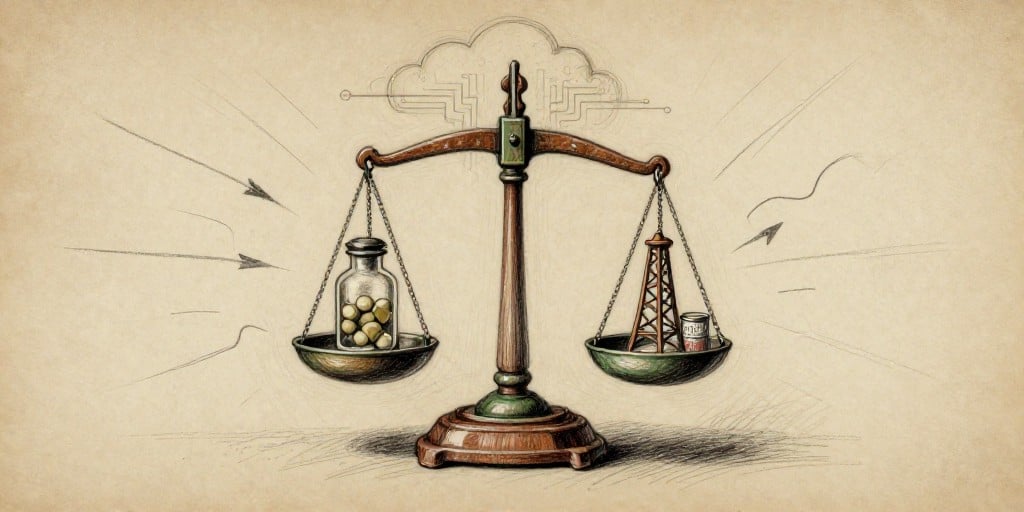
European equities closed with muted movement on Tuesday, reflecting a cautious stance by investors amid a confluence of macro‑economic pressures and forthcoming central‑bank policy signals. While the pan‑European Stoxx 600 slipped, the London‑listed FTSE 100 posted a modest 0.44 % gain, driven largely by strength in pharmaceuticals, energy and consumer staples.
London‑Based Performance
| Sector | Key Movers | Market Impact |
|---|---|---|
| Pharmaceuticals | GSK, AstraZeneca | Upwards pressure on the index |
| Energy | Shell, BP, TotalEnergies | Supported by rising oil prices |
| Consumer | Unilever, Diageo | Contributed to the modest gain |
| Mining | Antofagasta | Slight decline, offset by other mining names |
| Banking | Barclays, HSBC | Mixed results; net neutral effect |
The pharmaceutical and energy sectors benefitted from a combination of higher commodity prices and favorable earnings forecasts, offsetting the subdued performance of mining and banking names. Antofagasta, despite a modest decline, remained active within the FTSE 100 due to its continued exposure to the Chilean mining sector and global copper demand.
Continental Indices
- Germany (DAX) – Down 0.8 %
- France (CAC 40) – Down 0.8 %
- Switzerland (SMI) – Up 0.75 %
Technology shares suffered a sector‑wide sell‑off, largely triggered by concerns over the potential for large‑scale, AI‑driven cyber‑attacks that could destabilise critical infrastructure. This fear weighed on investor sentiment, especially in the context of rising oil price volatility linked to supply disruptions after Saudi Arabian pipeline incidents.
Macro‑Economic Context
Inflation – Energy‑driven price pressures remain a key driver of consumer inflation. Core inflation metrics have shown a slight easing, but the persistence of volatile energy costs keeps the outlook uncertain.
Interest Rates – Bond yields across the euro area and the UK have risen, reflecting expectations of tighter monetary policy. Elevated yields reduce the present value of future cash flows, exerting downward pressure on equities, particularly those with high growth expectations.
Central‑Bank Policy – Traders are closely monitoring policy announcements from the Federal Reserve, the Bank of England, and the Bank of Japan. The imminent decisions are expected to provide additional clarity on the trajectory of interest rates and the global inflation outlook.
Underlying Business Fundamentals
Pharmaceuticals
- Revenue Stability – GSK and AstraZeneca maintain robust revenue streams from established drug pipelines and global sales, mitigating the impact of short‑term market volatility.
- R&D Investment – Continued investment in next‑generation therapies positions these firms to capitalize on long‑term growth, although R&D intensity also increases cash‑flow volatility.
Energy
- Commodity Exposure – Shell, BP, and TotalEnergies benefit from higher oil prices, translating into stronger upstream earnings.
- Transition Risk – Accelerating decarbonisation policies and the shift to renewables introduce long‑term risks; firms with diversified portfolios are better positioned to manage this transition.
Consumer Staples
- Defensive Characteristics – Unilever and Diageo exhibit stable cash flows even in downturns, driven by brand equity and global supply chains.
- Price‑Sensitiveness – Rising inflation pressures could compress margins if firms cannot fully pass through cost increases to consumers.
Mining
- Commodity Cycles – Antofagasta’s performance is tied to copper demand, which is sensitive to global growth and infrastructure investment.
- Geopolitical Exposure – Chilean regulatory and political developments can influence operations and cost structures.
Competitive Dynamics
- Pharmaceuticals – Intense competition from biosimilars and generics erodes pricing power. However, companies with diversified product portfolios and strong patent protection maintain competitive advantage.
- Energy – Oil majors face competition from emerging renewable energy firms, necessitating strategic investments in low‑carbon technologies to sustain long‑term relevance.
- Consumer Staples – E‑commerce growth and changing consumer preferences create both opportunities and threats; firms that adapt supply chains to digital platforms gain market share.
- Mining – Technological advancements in extraction and processing can reduce costs, but competition from alternative metals (e.g., lithium, cobalt) intensifies as electric vehicle demand rises.
Risks and Opportunities
| Risk | Opportunity |
|---|---|
| Persistently High Inflation | Higher commodity prices can boost earnings for energy and mining firms. |
| Tightening Monetary Conditions | Defensive consumer staples may provide resilience and stable dividends. |
| AI‑Driven Cyber Threats | Cybersecurity providers could see increased demand if breaches materialise. |
| Transition to Renewable Energy | Energy majors investing in renewables position themselves for long‑term growth. |
| Supply Chain Disruptions | Diversified global supply networks reduce vulnerability for consumer staples. |
Conclusion
The subdued European market reaction underscores a pervasive uncertainty surrounding macro‑economic trajectories and central‑bank policy decisions. While certain defensive sectors such as pharmaceuticals and consumer staples provided a foothold for the FTSE 100, sector‑specific risks—particularly in technology and mining—remain salient. Investors should remain vigilant of the evolving inflation dynamics, bond‑yield environment, and the regulatory frameworks governing energy transition, as these factors will shape corporate fundamentals and competitive landscapes in the months ahead.