Energy Markets on a European Trading Day: Technical and Geopolitical Dynamics
Market Overview
During the latest European trading session, the Vienna Stock Exchange’s benchmark index registered a decline, marking its fifth consecutive day of loss. While the broader market sentiment remained cautious, heightened volatility—particularly within the technology sector—contributed to the subdued mood. Although some positive signals emerged in the tech arena, concerns over valuation and recent turbulence around major technology firms dampened investor enthusiasm, influencing the overall market trajectory.
Energy Sector Performance
Within Austria’s corporate landscape, energy and industrial firms delivered modest performance. The energy conglomerate OMV experienced a slight weakening of its share price, reflecting a modest downturn relative to its peers. This decline aligns with broader market sentiment and underscores the challenges facing traditional energy producers amid evolving supply-demand dynamics.
Commodity Price and Production Analysis
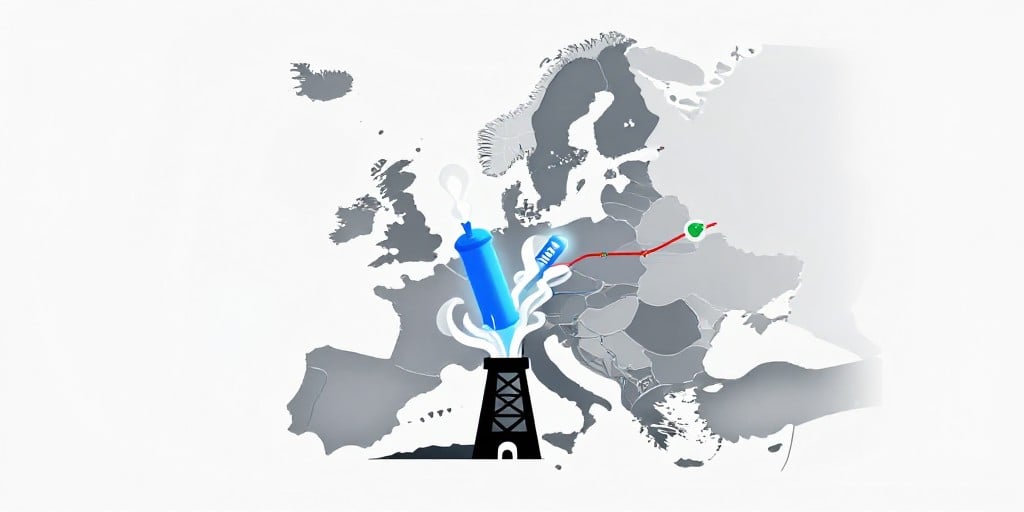
Natural Gas: European gas prices continued to trend upward, supported by constrained supply from the Nord Stream pipelines and a cooling demand profile in the summer months. The European Commission’s recent announcement of a €1.5 bn fund for gas infrastructure underscores the strategic importance of maintaining gas supply resilience.
Oil: Brent crude traded around $90 US per barrel, reflecting a balance between OPEC+ output adjustments and increasing refinery demand across the continent. Production data from the International Energy Agency (IEA) indicate a 5% rise in European crude output this quarter, driven largely by the Netherlands and Norway.
Coal: European coal prices fell 4% following the European Union’s latest climate policy announcements, signaling a shift towards cleaner alternatives and heightened regulatory scrutiny.
Technological Innovations
Energy Production
Carbon Capture and Storage (CCS): Several European utilities have accelerated CCS pilot projects, achieving a combined 200 kt CO₂ capture rate in 2023. This technology is projected to reduce net emissions from coal and gas-fired power by up to 30% in the next decade.
Hydrogen: Germany’s “Hydrogen Strategy” and the EU’s Hydrogen Joint Undertaking have stimulated investments exceeding €10 bn in electrolyzers. Austria’s national hydrogen roadmap outlines a target of 5 GW electrolyzer capacity by 2030, positioning the country as a key player in the hydrogen economy.
Energy Storage
Battery Storage: Grid-scale battery projects in Spain and the Netherlands have increased aggregate storage capacity by 20% year‑on‑year, enhancing the reliability of intermittent renewable generation.
Flow Batteries: Pilot projects in France and Belgium demonstrate the viability of flow batteries for long‑duration storage, essential for balancing offshore wind output.
Regulatory Impacts
EU Green Deal: The 2050 carbon neutrality target accelerates the shift from fossil fuels to renewables. The EU’s Just Transition Mechanism, allocating €170 bn for regions heavily reliant on coal, underscores the regulatory push to transform the energy mix.
National Incentives: Germany’s Renewable Energy Sources Act (EEG) continues to support wind and solar projects through feed‑in tariffs, while Austria’s 2025 energy strategy emphasizes decentralized solar and hydropower initiatives.
Supply‑Demand Fundamentals
Demand Forecasts: The IEA’s 2024 outlook projects a 2.5% rise in global electricity demand, with renewables accounting for 35% of the increase. Energy consumption in industrial sectors remains a significant driver, though automation and digitalization are moderating growth in traditional manufacturing hubs.
Supply Constraints: The continued shortage of critical minerals—lithium, cobalt, and rare earths—impedes scaling of battery and turbine technologies. Strategic stockpiling initiatives by the EU aim to mitigate supply shocks.
Infrastructure Developments
Grid Expansion: The EU’s “Fit for 55” package mandates a €15 bn investment in cross‑border transmission corridors. Austria’s planned cross‑border HVDC link with Slovenia enhances grid resilience and facilitates renewable energy import.
Port Upgrades: The expansion of the Port of Hamburg to accommodate larger LNG carriers supports Europe’s LNG import capacity, balancing supply during peak demand periods.
Market Dynamics: Short‑Term vs Long‑Term
| Factor | Short‑Term Impact | Long‑Term Trend |
|---|---|---|
| Commodity Prices | Volatility due to geopolitical tensions | Gradual decline in fossil fuel share |
| Regulatory Changes | Immediate cost implications for producers | Accelerated shift to renewables |
| Technological Adoption | Incremental gains in efficiency | Structural transformation of energy mix |
| Investor Sentiment | Sensitive to valuation and earnings | Driven by ESG criteria and climate goals |
Conclusion
The current European energy landscape is characterized by cautious market sentiment, moderate corporate performance, and a clear trajectory towards decarbonization. While commodity price fluctuations and regulatory pressures present short‑term challenges, sustained investment in technological innovations—particularly CCS, hydrogen, and advanced storage—coupled with strategic infrastructure upgrades, are positioning the region to navigate the transition to a low‑carbon future. Stakeholders across the energy sector must balance immediate trading considerations with the long‑term imperatives of energy security and climate resilience.