European Automotive Sector: Divergent Quarterly Performance Highlights Strategic Priorities
The latest quarter has once again underscored the uneven fortunes of European automakers, with traditional powerhouses such as Volkswagen, BMW, and Mercedes‑Benz reporting pronounced declines in sales, profits, and cash flows, while a smaller cohort—most notably Stellantis and Renault—has managed to stabilize or even reverse losses through targeted strategic adjustments.
Quantitative Disparities
- Volkswagen registered an operating loss of approximately €5.86 billion in the third quarter, its steepest single‑quarter loss since the diesel‑gate episode. First‑quarter sales dipped by roughly six percent.
- BMW experienced a modest drop in revenues, with EBIT shrinking by close to thirty percent. The company has revised its 2026 operating‑profit outlook to a narrow band around zero.
- Mercedes‑Benz posted a modest increase in net profit; however, core passenger‑car EBIT fell to half its pre‑pandemic level.
- Stellantis saw first‑three‑quarters revenue rise by about seven percent, returning to profitability after a year of losses driven by heavy electrification investment.
- Renault posted revenue growth and only a slight decline in third‑quarter sales, leading to a rise in share price following the report release.
Strategic Drivers of Divergence
Analysts identify several key factors that have driven the contrasting outcomes:
Cost Discipline and Fixed‑Cost Management Firms that aggressively reduced fixed costs—by consolidating production facilities, rationalizing brand portfolios, and optimizing supply chains—have been better positioned to absorb the dual pressure of declining traditional sales and the capital demands of electrification.
Electrification Pace vs. Cash‑Flow Impact Companies accelerating electrification at the expense of cash flow, or those still heavily reliant on legacy diesel platforms, have struggled to maintain profitability. The upfront investment required for battery production, charging infrastructure, and software development has strained working capital, especially in an environment of tightening credit conditions.
Product Portfolio Diversification Manufacturers maintaining a diversified mix of conventional, hybrid, and electric vehicles have mitigated demand volatility across different market segments. In contrast, firms that have not yet broadened their electrified offerings risk ceding market share to more agile competitors.
Macro‑Economic Context
The broader market backdrop remains challenging:
- Trade Barriers and Input Costs: Rising tariffs and escalating component costs have eroded margins across the sector.
- Credit Tightening: Higher borrowing costs have constrained capital availability, making it difficult for firms to fund electrification without compromising liquidity.
- Regulatory Evolution: The European Union’s upcoming restrictions on certain foreign electric‑vehicle models, coupled with new safety and autonomy standards, are reshaping competitive dynamics and increasing compliance costs.
Implications for Competitive Positioning
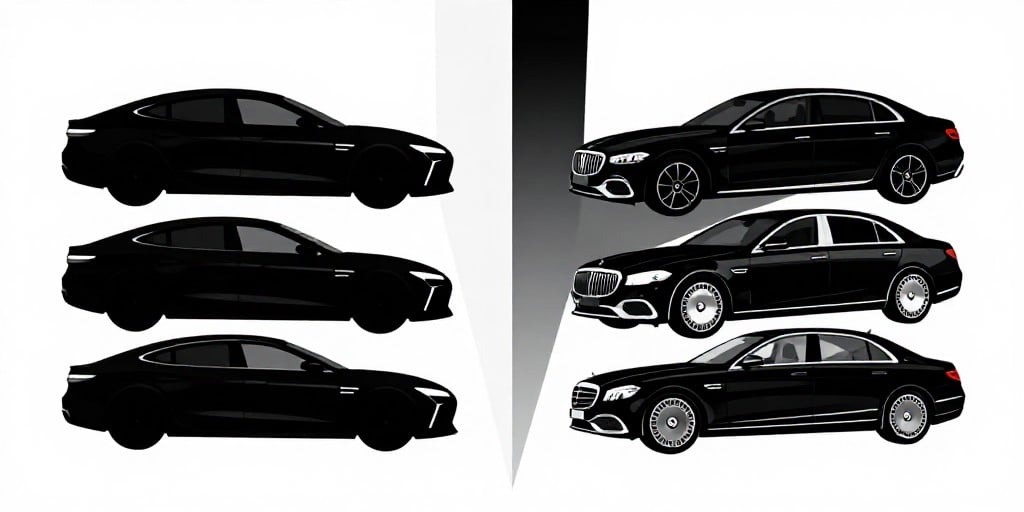
The quarterly data reveal a clear split within the European automotive landscape:
- Stable performers—Stellantis and Renault—demonstrate that balancing incremental electrification with prudent cost control and maintaining a diversified product mix can yield resilience in a turbulent market.
- Struggling incumbents—Volkswagen, BMW, and Mercedes‑Benz—continue to experience financial strain, largely due to high fixed‑cost burdens and an overreliance on traditional models.
Conclusion
These divergent outcomes underscore the importance of strategic agility in the automotive industry. Companies that can adapt their production networks, streamline costs, and pace electrification in a financially sustainable manner will likely emerge better positioned to navigate the ongoing transition toward electric mobility, while those that lag in these areas will face continued financial pressure.