
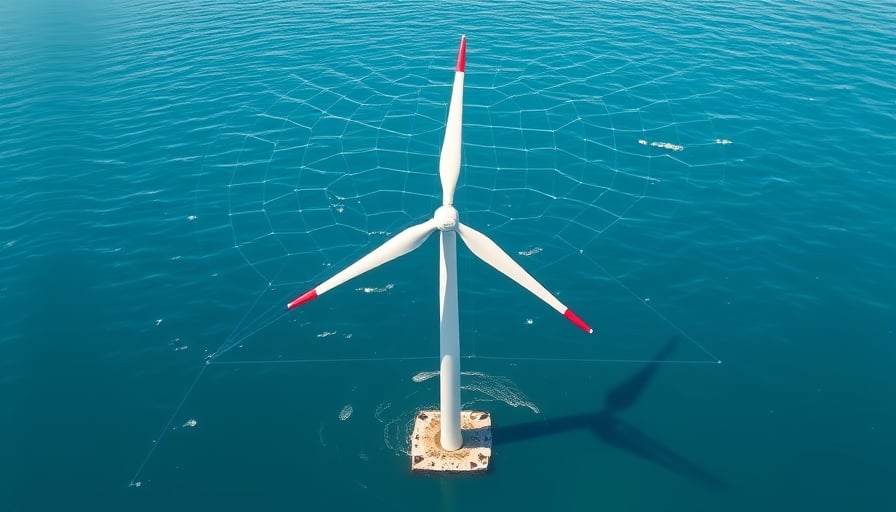
Regulatory Setback for Equinor ASA’s Empire Wind 1 Project
Equinor ASA, the Norwegian energy conglomerate with diversified operations in exploration, production, transport and refining of petroleum and other energy products, has faced a significant regulatory obstacle in the United States. The U.S. Department of the Interior issued a stop‑work order against the company’s Empire Wind 1 offshore wind project, which lies off the East Coast and is more than sixty percent complete. The order was justified on national‑security grounds, raising concerns about potential supply‑chain vulnerabilities and foreign ownership of critical infrastructure.
Immediate Implications for the Project
Empire Wind 1, the largest offshore wind installation in the United States, is designed to deliver up to 1.4 GW of clean electricity, enough to power roughly 1.7 million U.S. homes. The stop‑work order halts all construction activity, effectively freezing the project’s timeline and introducing a range of logistical challenges. Equipment already installed must be secured, and any future deployment of turbines, foundations or cabling will need explicit clearance from federal authorities. The delay threatens to push the expected commercial operation beyond 2028, increasing financing costs and potentially eroding the project’s competitiveness against other renewable developments in the region.
Broader Regulatory Context
The interior department’s action is part of a broader trend of U.S. regulatory scrutiny over offshore wind projects that involve foreign investors or supply chains linked to countries deemed strategic competitors. In recent months, similar orders have been issued against projects involving companies from China and other nations. These measures underscore a heightened focus on national security concerns related to critical infrastructure, supply-chain resilience, and technological sovereignty.
Impact on Equinor’s Renewable Energy Ambitions
Equinor’s strategy has increasingly emphasized diversification into renewable energy, with offshore wind positioned as a core component of the company’s long‑term portfolio. The Empire Wind 1 setback not only delays revenue generation but also affects Equinor’s ability to demonstrate progress toward its climate targets and to meet growing U.S. demand for clean energy. Additionally, the uncertainty may influence the company’s future investment decisions, potentially prompting a reevaluation of partnership structures and risk‑sharing arrangements in forthcoming projects.
Competitive Positioning and Market Dynamics
Equinor faces competition from both domestic and international players in the U.S. offshore wind market. U.S.‑based firms such as NextEra Energy, Ørsted, and Shell are aggressively pursuing similar projects, often leveraging domestic supply chains and partnerships with local contractors to mitigate security concerns. In contrast, Equinor’s extensive experience in the petroleum sector and its established presence in the U.S. market provide certain advantages, including access to a robust logistics network and a deep understanding of U.S. regulatory frameworks. Nevertheless, the current regulatory climate demands a recalibration of Equinor’s project governance to align with heightened security standards and to maintain investor confidence.
Economic and Sectoral Interconnections
The stop‑work order has ripple effects beyond Equinor. Suppliers of offshore wind components, such as turbine manufacturers, cable producers and installation contractors, face revenue uncertainty. The delay could also affect local job markets and tax revenues in the regions where the project is situated. From an economic standpoint, the incident illustrates how macro‑level policy decisions—particularly those driven by national‑security concerns—can have cascading impacts across multiple sectors, from energy to manufacturing to finance.
Forward‑Looking Considerations
Equinor is actively engaging with U.S. regulators to address the concerns cited in the stop‑work order. The company is exploring options such as restructuring ownership stakes, increasing transparency in supply chains, and collaborating with U.S. partners to meet security criteria. Success in these negotiations will be crucial for Equinor’s ability to resume construction and to secure future offshore wind opportunities in the United States.
The situation remains fluid, and stakeholders will be closely monitoring the outcome of the regulatory review. For Equinor, the episode highlights the necessity of maintaining analytical rigor and adaptability when operating in unfamiliar regulatory environments, while underscoring the importance of fundamental business principles—such as risk management, compliance, and stakeholder engagement—in sustaining long‑term corporate success.