
Market Response to Geopolitical Shock and Its Implications for European Energy Firms
The European equity market reacted sharply to a sudden escalation between the United States and Iran, following the U.S. president’s announcement that the temporary cease‑fire had ended. The announcement triggered an immediate rise in global oil prices, lifting the major energy stocks—including Equinor—to the upper end of their trading range. In contrast, the broader equity market fell, with the pan‑European STOXX 600 recording a decline of nearly two percent, reflecting heightened concerns about energy‑related costs and potential supply disruptions.
Immediate Market Dynamics
- Oil Price Surge: The spike in Brent and WTI prices reached a multi‑week high, creating an environment in which oil‑producing equities benefited from higher commodity revenue projections.
- Energy Stock Outperformance: Equinor, along with other major oil majors, saw intraday gains of 2–3 %, driven by the commodity price rally.
- Broad Market Weakness: The STOXX 600’s decline underscored a risk‑off sentiment, amplified by the prospect of escalating geopolitical tensions in the Persian Gulf region and the associated risk of supply disruptions.
Equinor’s Strategic Positioning
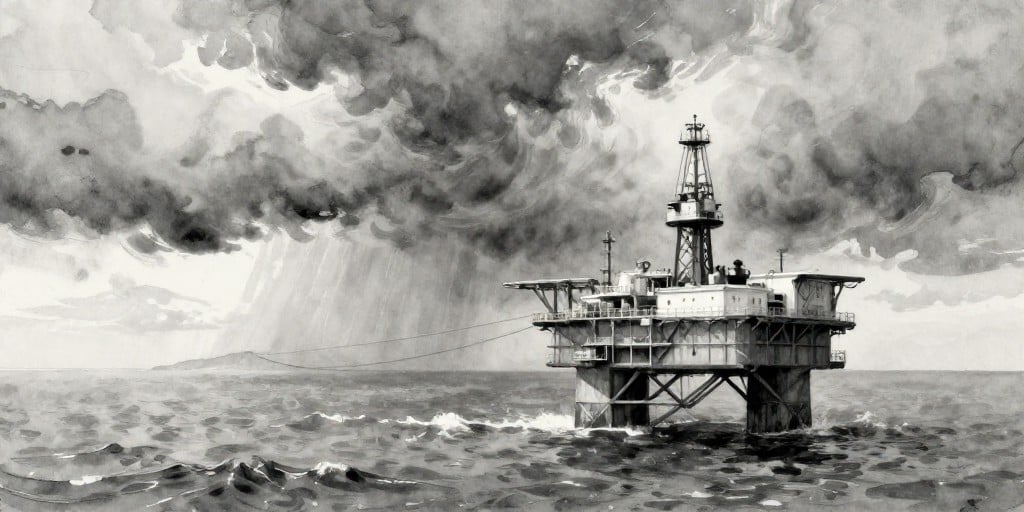
Equinor’s shares benefited from the oil‑price lift and also from a recent press release announcing a series of subsea tie‑back contracts in Norwegian waters. The contracts, valued between $250 million and $500 million and awarded to TechnipFMC, are intended to extend the life of existing infrastructure on the Norwegian Continental Shelf and support the company’s resource‑unlocking strategy.
Key takeaways from Equinor’s operational outlook:
- Subsea Tie‑backs as a Cost‑Effective Growth Lever
- Tie‑back projects typically involve lower capital expenditure compared to new field development, yet they unlock additional recoverable resources.
- The recent awards suggest that Equinor is positioning itself to enhance reserve replacement ratios without the capital intensity of conventional drilling.
- Geopolitical Cushioning
- The company’s focus on subsea development in the relatively stable Norwegian offshore environment mitigates exposure to geopolitical risk that might affect other regions.
- Financial Resilience
- The tie‑back contracts are structured as fixed‑price agreements, providing a predictable cash‑flow profile that can help absorb volatility in oil prices and financing costs.
Broader Sector Implications
Strait of Hormuz as a Strategic Chokepoint
Industry observers noted that the surge in oil prices has reinforced expectations that the Strait of Hormuz remains a critical chokepoint. Any future closure or congestion in the strait could sustain upward pressure on prices, thereby supporting the performance of oil‑producing equities. This geopolitical reality should be factored into long‑term commodity pricing models for European energy firms.
Rising Bond Yields and Inflationary Pressures
The energy sector remains under pressure from rising bond yields and inflationary expectations, which have tempered the rally seen in renewable‑energy shares. While fossil‑fuel‑based companies like Equinor enjoy a short‑term commodity‑price boost, renewable‑energy firms face higher financing costs and uncertain demand dynamics, potentially limiting their near‑term upside.
Regulatory and ESG Considerations
The increased focus on subsea tie‑backs aligns with regulatory trends favoring lower‑impact, high‑efficiency development methods. However, ESG scrutiny remains high: investors increasingly demand transparency around emissions intensity and carbon removal commitments, even for oil‑major firms.
Potential Risks and Opportunities
| Risk | Opportunity |
|---|---|
| Geopolitical escalation could lead to supply interruptions, further inflating prices but also increasing market volatility. | Subsea tie‑backs provide a lower‑cost platform for reserve growth, enhancing long‑term production capacity without significant CAPEX. |
| Bond yield rise may squeeze profitability for high‑leverage energy firms. | High oil prices improve EBITDA margins, enabling stronger dividend policies and share buyback programs. |
| Regulatory pressure on carbon emissions could require costly retrofits or carbon‑offset investments. | Strategic partnerships (e.g., with TechnipFMC) may unlock technological synergies and cost savings. |
Conclusion
The day’s events underscore the sensitivity of European energy stocks to geopolitical developments, particularly those affecting key chokepoints like the Strait of Hormuz. Equinor’s recent subsea tie‑back contracts illustrate a strategic emphasis on cost‑efficient resource unlocking that could position the company favorably in a volatile market. However, rising bond yields, inflationary pressures, and evolving ESG expectations present a complex backdrop that investors and analysts must navigate carefully. A nuanced understanding of these dynamics will be essential for stakeholders assessing the long‑term prospects of energy firms in Europe.