
Corporate Analysis: Equinor ASA’s Recent Capital‑Reduction and Operational Contract Extensions
Capital‑Reduction Transaction
Equinor ASA completed a share‑capital reduction on 2 July 2026, following a resolution adopted at its annual general meeting in May. The company cancelled and redeemed more than 166 million shares, reducing nominal share capital by approximately 415 million Norwegian kroner. As a result, the total share capital stands at just under 6 billion kroner, with ≈ 2.39 billion shares outstanding, each carrying a par value of 2.50 kroner.
From a financial‑engineering perspective, the reduction appears to be a deliberate move to optimize the capital structure rather than a response to a liquidity crisis. By shrinking the equity base, Equinor may:
| Objective | Potential Impact |
|---|---|
| Lower Dividend Payouts | Enables more retained earnings for reinvestment or debt reduction. |
| Improve Return on Equity (ROE) | A smaller equity denominator boosts ROE metrics, potentially enhancing valuation multiples. |
| Align with Market‑Capitalisation Targets | Allows the company to bring its market value closer to peer‑group benchmarks. |
The transaction was fully disclosed in accordance with the Norwegian Register of Business Enterprises regulations, reinforcing compliance and transparency. However, the reduction also reduces the company’s buffer for capital injections during periods of high volatility, such as sudden price swings in oil and gas markets or unexpected asset write‑downs.
Extension of the Anchor‑Handling Tug Contract
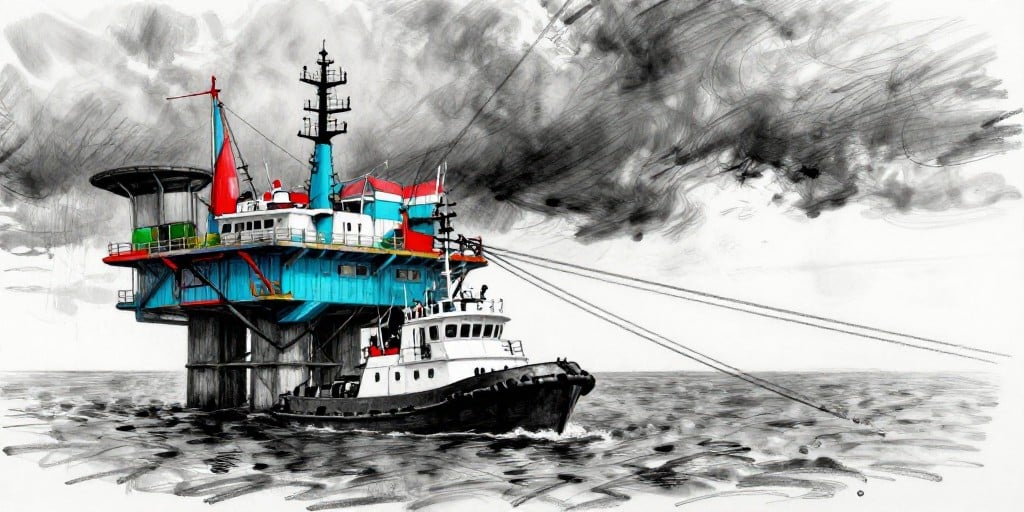
Equinor has extended the service agreement for the Skandi Vega, an anchor‑handling tug operated by DOF Group. The vessel, in service since 2010, now enjoys a firm contract through the third quarter of 2029, an additional two years beyond its original term.
The extension underscores Equinor’s reliance on specialized offshore support for its extensive asset portfolio. Key points include:
- Operational Continuity: Maintaining a proven, in‑house tug mitigates disruptions that could arise from sourcing new vessels or re‑training crews.
- Cost Predictability: A long‑term contract locks in freight and operational costs, facilitating more accurate budgeting in a sector with high cap‑ex sensitivity.
- Supplier Relationships: Sustained engagement with DOF Group may yield preferential terms or priority access to newer technology, such as autonomous tug operations.
Yet, this decision also introduces potential risks:
- Technological Obsolescence: The tug’s age could mean it falls short of evolving regulatory or environmental standards (e.g., LNG‑compatible fuels).
- Competitive Pressure: Rivals may secure more advanced vessels or lower-cost arrangements, potentially eroding Equinor’s relative operational efficiency.
Market and Analyst Reaction
Despite the structural moves, analyst coverage remains cautious. Multiple research houses have maintained neutral to undervoltage ratings and revised target prices downward. This sentiment suggests that investors are weighing the following:
| Factor | Insight |
|---|---|
| Capital Structure | A leaner equity base may attract risk‑averse investors but could limit future capital flexibility. |
| Operational Dependencies | Heavy reliance on DOF Group for critical support might expose Equinor to vendor concentration risk. |
| Competitive Dynamics | The offshore energy sector is intensifying, with new entrants leveraging LNG, renewable offshore wind, and green hydrogen. |
Equinor’s share price has shown modest movements in recent trading sessions, indicating that the market has neither fully absorbed the positive aspects of the capital optimisation nor the potential risks of continued dependency on aging assets.
Uncovered Trends and Strategic Implications
Capital Efficiency vs. Growth Flexibility The share‑capital reduction improves short‑term efficiency but may constrain the firm’s ability to fund large‑scale projects, such as offshore wind expansions or green hydrogen hubs, without external financing.
Asset Modernisation Lag Extending the tug contract suggests a preference for incrementalism over radical fleet renewal. In an era where environmental regulations are tightening (e.g., IMO 2027 sulphur cap), Equinor may face higher compliance costs if the Skandi Vega cannot be retrofitted adequately.
Supplier Concentration DOF Group’s role is pivotal; a sudden change in its strategic direction or financial health could disrupt Equinor’s operations. Diversification of supplier base or in‑house capabilities might be prudent.
Market Valuation Pressure While the capital‑reduction improves certain financial ratios, the broader market—fueled by expectations of a rapid transition to low‑carbon energy—may still undervalue Equinor if it is perceived as slow to pivot away from fossil‑fuel‑heavy operations.
Conclusion
Equinor ASA’s recent corporate actions reflect a deliberate attempt to streamline its balance sheet and secure operational continuity. However, the decisions carry nuanced risks that could become material as the offshore energy landscape evolves. Stakeholders should monitor the firm’s progress on fleet modernization, diversification of service providers, and strategic alignment with emerging low‑carbon energy pathways to fully assess long‑term value creation.