Corporate News – Energy Sector Update
Overview of Equinor’s North Sea Activity
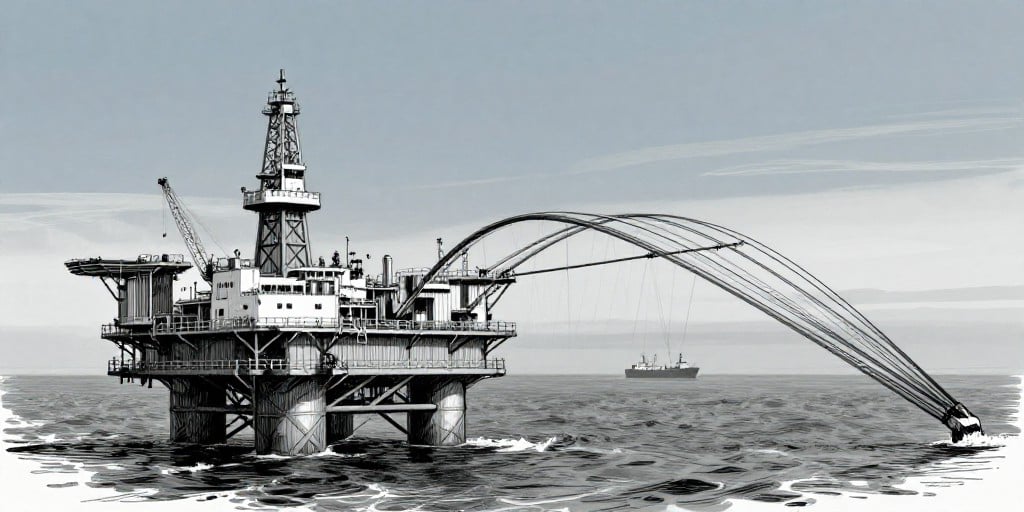
Equinor’s recent engagement in the North Sea has attracted heightened scrutiny following the UK government’s approval of the Jackdaw gas field. The field, operated by the joint venture Adura—comprising Shell and Equinor—will commence production later this month. Analysts project that Jackdaw will augment the United Kingdom’s domestic gas output by a modest yet significant fraction of national supply, while also generating several hundred jobs in the local economy.
Strategic Context and Energy Transition
The UK’s commitment to net‑zero emissions by 2050 continues to coexist with a pragmatic view of natural gas as a transitional “bridge fuel” for the coming decades. Within this framework, Equinor has announced adjustments to the electrification programme at the Troll West field to mitigate potential production disruptions. The company emphasizes the environmental advantages of its electrification effort, claiming a reduction of more than 300,000 t CO₂ in connection with the Troll West project.
Market Dynamics – Supply‑Demand Fundamentals
- Gas Supply
- Production – Jackdaw’s expected output will modestly lift UK gas supply, easing pressure on imports and improving resilience against European supply shocks.
- Demand – Industrial and residential demand in the UK remains relatively inelastic, underpinning steady price support for domestic gas in the short term.
- Renewable Energy Growth
- Storage – Technological advancements in battery and pumped‑hydro storage are enhancing the reliability of intermittent renewables, thereby gradually eroding the share of gas in the energy mix.
- Infrastructure – The UK’s grid upgrades, including offshore wind integration and cross‑border interconnectors, are creating a more diversified supply base.
- Regulatory Influence
- Carbon Pricing – The UK’s Emissions Trading System and forthcoming carbon tax intensify pressure on fossil fuel producers, encouraging a shift towards lower‑carbon projects.
- Net‑Zero Targets – Regulatory frameworks such as the Climate Change Act incentivize investments in electrification and carbon capture, influencing capital allocation decisions at firms like Equinor.
Commodity Price Analysis
- Natural Gas – Brent‑linked gas prices have hovered between USD 2.20 and USD 2.45 /mmBtu over the past quarter, reflecting a balance between supply stability from Jackdaw and rising European demand.
- Oil – Crude prices remained in the USD 80–90 range, supporting Equinor’s upstream revenue streams and providing a buffer against gas market volatility.
- Renewable Credits – The value of Renewable Obligation Certificates (ROCs) has increased, signaling robust policy support for renewable generation.
Infrastructure Developments
- Jackdaw Pipeline Expansion – New subsea pipelines will connect the field to existing onshore infrastructure, reducing transmission bottlenecks.
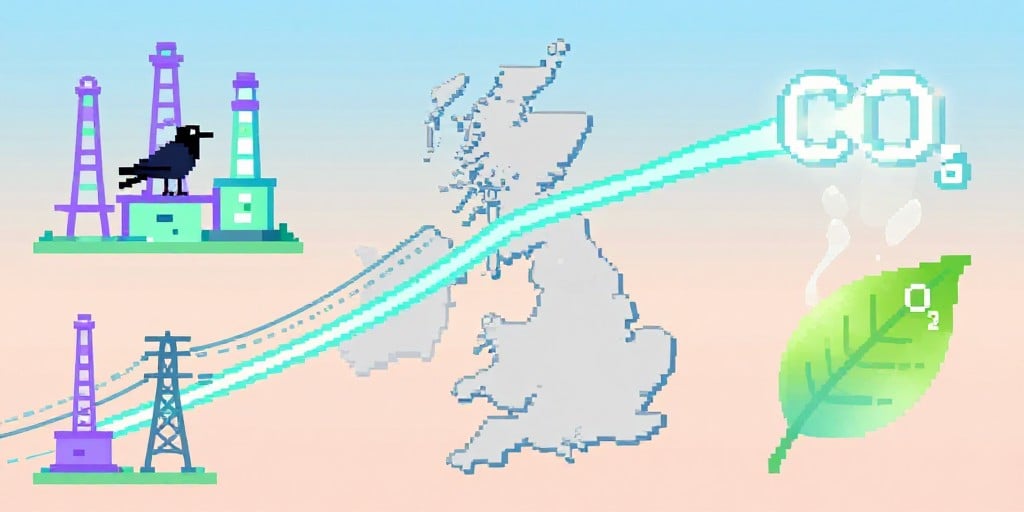
- Troll West Electrification – Implementation of high‑voltage DC power lines and advanced control systems at Troll West mitigates production risks while lowering operational CO₂ intensity.
- Grid Modernization – Investment in smart‑grid technologies enhances energy dispatch flexibility, benefitting both conventional and renewable assets.
Short‑Term Trading Versus Long‑Term Transition
Short‑term trading strategies currently focus on price differentials between UK and continental European gas markets, leveraging Jackdaw’s supply contribution to secure favorable arbitrage opportunities. Long‑term investment decisions are increasingly governed by the company’s transition strategy, which seeks to balance traditional hydrocarbon extraction with electrification and carbon capture initiatives. This dual‑focusing approach aims to maintain profitability while aligning with evolving regulatory and investor expectations for sustainability.
Market Reaction and Investor Sentiment
Equinor’s share price has exhibited moderate volatility following the Jackdaw announcement. The market’s reaction reflects a blend of enthusiasm for the new production asset and caution regarding the broader regulatory landscape that could impact future capital allocation and project timelines. Investors are closely monitoring the release of the company’s forthcoming quarterly guidance, particularly any updates on capital expenditures, electrification milestones, and long‑term strategic positioning.
Conclusion
Equinor’s participation in the Jackdaw gas field, coupled with its electrification efforts at Troll West, illustrates a deliberate strategy to navigate the present energy market while progressing toward lower‑carbon objectives. The company’s actions underscore the complex interplay between short‑term supply‑demand dynamics, commodity pricing, and the long‑term transition to sustainable energy, all within a regulatory environment that increasingly favors decarbonization.