
Corporate Update: Equinor’s Offshore Investment and Market Dynamics
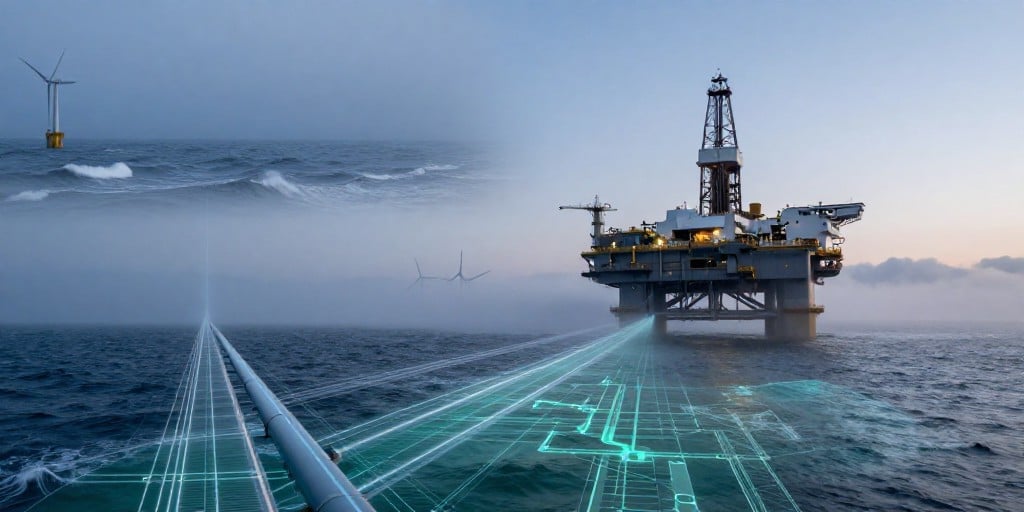
Equinor ASA has outlined a substantial capital allocation of nearly €540 million toward four underwater development projects on the Norwegian continental shelf. The firm secured new drilling permits and a sizable rig contract, reinforcing its growth trajectory within the sector. The TWIN project, already approved, is slated to deliver a significant volume of natural gas, while the remaining three projects await final regulatory endorsement. Concurrently, the company has obtained a fresh exploration drilling licence for the North Sea, with operations expected to commence from the Visund platform. A lease agreement with a major offshore contractor further augments Equinor’s drilling capacity. These strategic moves underpin the company’s ambition to complete 75 offshore projects by 2035 and extend its helicopter search‑and‑rescue service contract until early 2030.
Market Reaction and Analyst Outlook
The announcement triggered a modest decline in Equinor’s share price on the release day, reflecting a cautious market stance. Despite this dip, the firm’s strong first‑quarter earnings have attracted a “Hold” rating from a leading financial institution, accompanied by a target price expressed in Norwegian kroner. Analysts emphasize that the company’s recent operational advances—particularly the new drilling licence and expanded rig footprint—balance the short‑term trading volatility with a longer‑term perspective on energy transition and supply‑demand fundamentals.
Broader European Oil Context
Equinor operates within a landscape that has recently experienced a downturn in Brent crude prices, affecting peers across the European oil sector. After an initial rally spurred by geopolitical tensions and a temporary pause in a US‑Iran ceasefire, the sector witnessed a modest pullback. Equinor’s shares mirrored this trend, falling marginally in line with the broader group. This development underscores the sensitivity of Equinor’s valuation to global oil market fluctuations, even as the company advances its offshore expansion agenda.
Energy Market Analysis
Supply‑Demand Fundamentals
The European gas market remains in a state of equilibrium, with production growth offset by steady demand in the residential and industrial sectors. Equinor’s TWIN project is positioned to bolster gas supply, potentially mitigating price volatility stemming from seasonal demand spikes and geopolitical uncertainties in major exporting regions.
Technological Innovations
Advances in subsea drilling technology and enhanced oil recovery methods are central to Equinor’s operational strategy. The company’s investment in new rig contracts and exploration licences reflects a commitment to deploying high‑efficiency drilling systems that reduce capital expenditure and environmental footprints. Parallel developments in energy storage—particularly battery and hydrogen solutions—are being explored to complement the firm’s gas portfolio and support the broader transition to low‑carbon energy sources.
Regulatory Landscape
Regulatory approvals continue to shape offshore development timelines. The Norwegian government’s stringent environmental and safety standards, coupled with evolving EU directives on emissions, impose a rigorous assessment framework for new projects. Equinor’s adherence to these standards is evident in its proactive engagement with permitting authorities and its collaboration with offshore contractors to ensure compliance and operational excellence.
Commodities and Infrastructure Implications
- Crude Oil: Brent price fluctuations directly influence Equinor’s revenue streams. Recent declines have prompted a review of hedging strategies and cost‑optimization measures.
- Natural Gas: Production data from the TWIN project and forthcoming sites are anticipated to strengthen Equinor’s position in the European gas market, with implications for long‑term contracts and price negotiations.
- Infrastructure: Expansion of offshore platforms and the Visund drilling operations enhance the company’s logistical capabilities, enabling faster response times and reduced turnaround costs.
Long‑Term Energy Transition Considerations
Equinor’s portfolio diversification—combining traditional offshore oil and gas production with emerging renewable energy initiatives—aligns with the global shift toward decarbonization. While the company’s immediate focus remains on maintaining robust hydrocarbon output, strategic investments in storage and renewable technologies signal a measured approach to balancing short‑term profitability with long‑term sustainability goals.
The information presented reflects the latest corporate disclosures and market observations as of the current reporting period.