Equinor ASA Navigates Geopolitical Tension and Shifting Energy Market Dynamics
Equinor ASA, the Norwegian state‑controlled oil and gas company, remains a focal point for investors and analysts as it confronts a confluence of geopolitical uncertainty and evolving market fundamentals. Recent reports indicate that Equinor’s chief executive was slated to attend the Abu Dhabi International Petroleum Exhibition and Conference (ADIPEC) next week; however, the company’s participation has not been confirmed. This cautious approach mirrors broader industry hesitancy, with major peers such as BP and ExxonMobil postponing their attendance in response to rising security concerns in the Middle East.
Geopolitical Sensitivity and Event Participation
The ADIPEC event, which attracts participants from more than 170 countries, serves as a key forum for strategic dialogue, technology exchange, and partnership formation. Equinor’s tentative involvement underscores the firm’s prudence amid regional instability that could disrupt supply chains and affect commodity prices. The decision reflects a broader industry trend of weighing the benefits of engagement against the risks of exposure to volatile security environments.
North Sea Development and Portfolio Optimisation
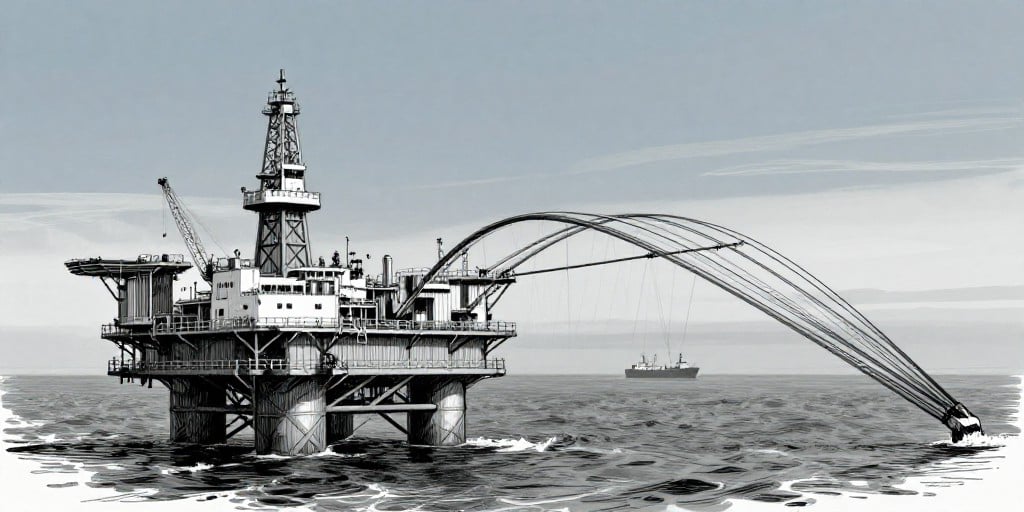
Equinor’s focus on the North Sea remains a cornerstone of its upstream strategy. The company is actively pursuing development opportunities in adjacent licences, capitalising on recent discoveries that could enhance production capacity near existing infrastructure. By leveraging established platforms and pipelines, Equinor aims to improve asset utilisation and reduce capital intensity.
Simultaneously, Equinor is pursuing a balanced portfolio strategy that spans traditional upstream operations in Norway, emerging projects in the Atlantic, and growing interests in international markets. This diversification is designed to mitigate concentration risk while positioning the company for long‑term resilience amid a global shift toward cleaner energy sources.
Market Sentiment and Commodity Price Dynamics
Equinor’s financial performance is tightly coupled to global oil price movements. Spot prices have exhibited volatility driven by supply‑demand imbalances, geopolitical tensions, and shifts in inventory levels. The company’s exposure to both upstream production and downstream activities means that changes in commodity prices directly influence revenue and cash flow.
Analysts are closely monitoring Equinor’s capital allocation decisions, particularly its assessment of tie‑back projects and infrastructure upgrades. Such investments can improve operational efficiency, lower costs, and enhance the company’s ability to adapt to shifting market conditions. The firm’s strategic focus on tie‑backs—wherein upstream assets are integrated with downstream facilities—helps to reduce operational friction and enhance margin resilience.
Technological Innovation in Production and Storage
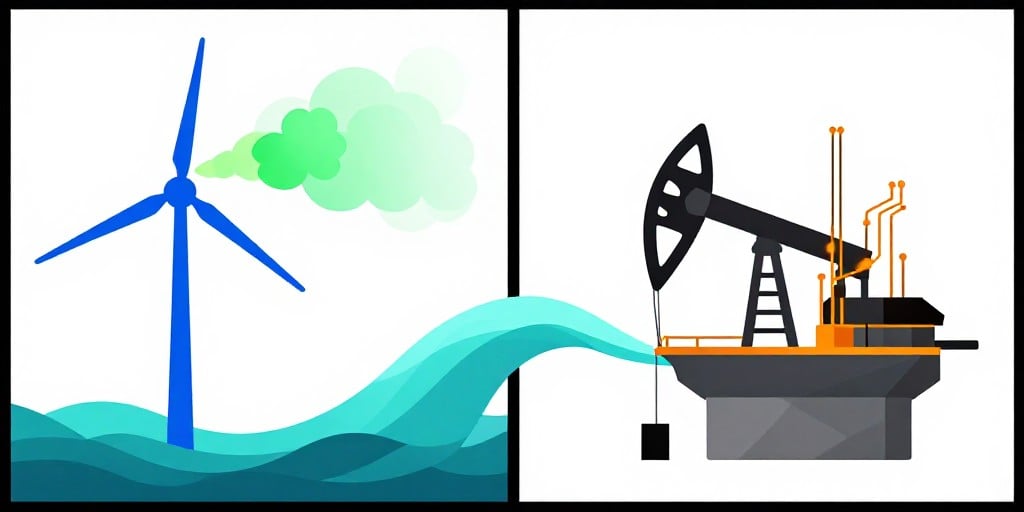
Equinor is investing in technological innovations that support both conventional and renewable energy production. In the upstream domain, the company is deploying advanced drilling techniques, digital asset management systems, and enhanced oil recovery methods to maximise extraction efficiency. Concurrently, Equinor is expanding its renewable portfolio, with notable projects in offshore wind and green hydrogen production that leverage its expertise in large‑scale infrastructure deployment.
Energy storage technologies are also receiving attention. Equinor is exploring battery storage solutions and other advanced storage modalities to balance supply variability and improve grid stability, particularly as renewable penetration increases. These initiatives position Equinor to participate in emerging markets for energy transition, where storage plays a critical role in decarbonisation efforts.
Regulatory Environment and Energy Transition
Regulatory developments in both traditional and renewable sectors continue to influence Equinor’s strategic outlook. Stricter environmental regulations, carbon pricing mechanisms, and emissions reporting requirements are reshaping upstream operations, prompting the company to adopt low‑carbon technologies and offset strategies. In parallel, supportive renewable policies—such as feed‑in tariffs, tax incentives, and green certification standards—provide a favorable backdrop for Equinor’s expansion into offshore wind and hydrogen projects.
The company’s engagement with policy makers and stakeholders aims to ensure that it remains aligned with national and international energy transition objectives. By balancing regulatory compliance with commercial viability, Equinor seeks to safeguard its long‑term competitiveness while contributing to broader sustainability goals.
Conclusion
Equinor ASA is navigating a complex landscape characterised by geopolitical risk, volatile commodity prices, and a rapidly evolving regulatory framework. Its measured approach to event participation, focus on North Sea development, and strategic portfolio optimisation demonstrate a commitment to sustaining growth while mitigating exposure to regional uncertainties. Technological innovation in production and storage, coupled with proactive regulatory engagement, positions Equinor to remain a pivotal player in both conventional and renewable energy sectors as the industry continues its transition toward a more sustainable future.