Equinor’s Strategic Advancement of the Wisting Offshore Field: An Analytical Overview
Equinor’s most recent corporate maneuver—awarding a planning contract to Aibel under the Wisting partnership—signals a deliberate, phased approach to expanding its offshore production capacity on the Norwegian continental shelf. This development warrants a closer look at the underlying business fundamentals, regulatory landscape, and competitive dynamics that shape the project’s trajectory.
1. Project Scope and Financial Implications
The contract, encompassing the technical concept for a future production ship and the preliminary design of deck modules, is priced at an estimated NOK 400 million. It mobilizes approximately 250 employees across engineering, design, and project management functions. Importantly, the agreement explicitly reserves the final investment decision for 2027, giving Equinor a buffer to incorporate market signals and policy shifts before committing capital.
From a financial perspective, the staged investment model mitigates early exposure while allowing the company to capture learning curves in design and construction. The option for future engineering, procurement, and construction (EPC) work represents a risk‑adjusted cost of capital—potentially lower than a full upfront EPC contract—since it can be triggered only if the project progresses past feasibility milestones.
2. Regulatory Context
Norway’s offshore regulatory framework has evolved to favor integrated production solutions that reduce environmental footprints. Recent amendments to the Petroleum Act emphasize “production ship” deployment as a viable alternative to fixed platforms, offering streamlined licensing pathways and reduced decommissioning liabilities. The Wisting field, situated in the North Sea’s outer shelf, falls under the jurisdiction of the Norwegian Petroleum Directorate (NPD) and the Ministry of Petroleum and Energy.
Equinor’s retention of a 42.5 % partnership stake positions it to influence regulatory negotiations, especially regarding the timing of environmental assessments and community engagement plans. The company’s strategic emphasis on flexibility aligns with the NPD’s push for adaptive operational models that can respond to changing climate‑policy mandates, such as the impending carbon‑price escalation under the EU Emissions Trading System (ETS).
3. Competitive Dynamics
The Wisting field sits in a competitive cluster of Norwegian shelf developments, including the Brage and Håkon fields, all vying for limited offshore infrastructure and talent pools. Equinor’s partnership model—co‑ownership with a Norwegian‑based contractor (Aibel) and potential involvement of other consortium members—creates a collaborative moat, sharing risk while leveraging each partner’s core competencies.
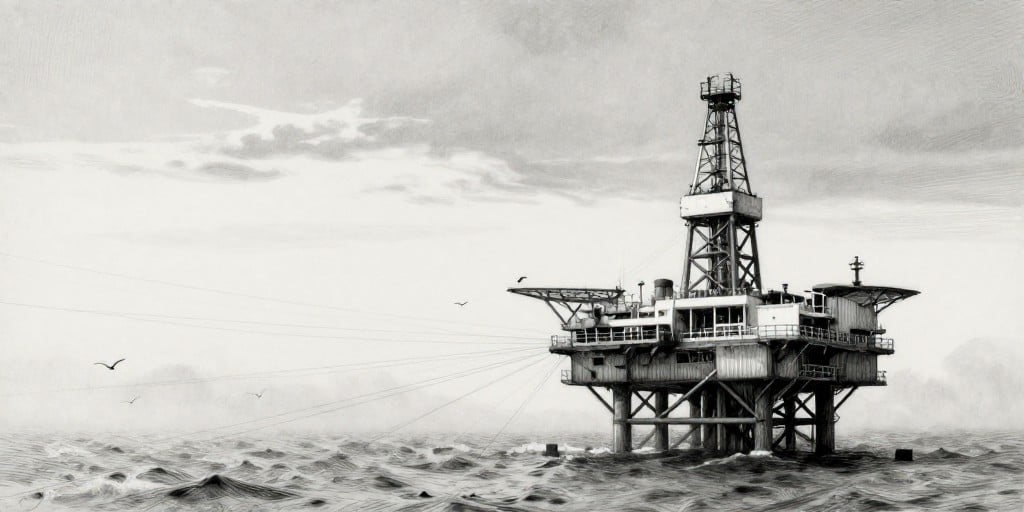
Other major operators, such as Statoil (now Equinor), Shell, and BP, are increasingly adopting modular production solutions. The choice of a production ship for Wisting mirrors this trend, offering lower capital intensity and faster deployment than conventional fixed platforms. However, the modular deck concept introduces supply‑chain dependencies, especially on specialized steel fabrication plants in the UK and Germany. Any bottlenecks in the global steel market, as seen during the 2021–2022 supply‑chain disruptions, could delay construction and inflate costs.
4. Uncovered Opportunities
Carbon Capture Integration: Given Equinor’s commitment to net‑zero emissions by 2050, the Wisting production ship presents a platform to pilot CO₂ capture and storage (CCS) modules. Early integration could attract EU ETS credits, offsetting operational costs.
Digital Twins and Remote Operations: Implementing digital twin technology for the production ship can reduce maintenance downtime and enable predictive maintenance, yielding long‑term cost savings.
Re‑use of Existing Infrastructure: Leveraging the nearby Håkon field’s pipeline network can lower capital expenditures for the Wisting project, creating cross‑field synergies.
5. Potential Risks
Capital Allocation Timing: Delaying the final investment until 2027 exposes the project to fluctuating oil price volatility, which could erode the projected return on investment (ROI).
Regulatory Shifts: Norway’s policy on offshore drilling is subject to political change; a shift toward stricter environmental standards could impose additional compliance costs or project redesigns.
Supply‑Chain Vulnerabilities: The modular deck components require specialized fabrication. Any global supply‑chain shock, as experienced during recent pandemics, could trigger cost overruns.
Technological Obsolescence: Rapid advancements in offshore wind and floating storage could render the production ship concept less competitive if not updated to incorporate hybrid energy integration.
6. Conclusion
Equinor’s award of a planning contract to Aibel for the Wisting field demonstrates a cautious yet forward‑looking strategy: it balances early technical progress with deferred capital commitment, thereby aligning with both market and regulatory uncertainties. By maintaining a substantial equity stake and embedding flexibility into its procurement strategy, Equinor is positioning itself to capture long‑term production upside while mitigating risks associated with environmental policy shifts and supply‑chain volatility. Continued vigilance on carbon‑policy developments, technological innovations, and global market dynamics will be essential to ensure that the Wisting project delivers on its potential as a resilient component of Equinor’s 30‑year output horizon.