
Eni SpA’s Market Position Amidst a Shifting Energy Landscape
Eni SpA, listed on the Borsa Italiana, continues to trade within a range that reflects its established position in the European energy market. The company’s share price has remained relatively stable, neither reaching new highs nor falling to recent lows, in line with the broader euro‑zone equity environment. Market activity for Eni has mirrored the mild movements seen across the Euro STOXX 50 index, which has experienced modest gains and declines in recent sessions. Overall, Eni’s valuation and earnings multiples remain consistent with its sector peers, and the company’s operations across oil, gas and electricity generation continue to support its financial profile.
Supply‑Demand Fundamentals in the Euro‑Zone Energy Market
The European energy market is currently characterised by a delicate balance between supply constraints and demand growth. Natural gas volumes entering the continent via the Trans‑European Pipeline System have plateaued at 80–85 billion cubic metres in 2024, while domestic demand remains at 90 billion cubic metres due to persistent heating needs in the northern member states. The resulting bid‑ask spread in spot gas prices has widened modestly, reflecting tighter inventories and seasonal pressure.
Oil markets in Europe, meanwhile, are influenced by a combination of global supply dynamics and regional refinery utilisation. Refinery output across the continent is running at approximately 82 % of design capacity, slightly below the 85 % average of 2023, largely due to maintenance cycles and the gradual shutdown of aging units. This under‑utilisation has kept crude oil prices on the lower side of their recent 2024 range, with West Texas Intermediate (WTI) trading at $82–$84 / bbl and Brent at $85–$87 / bbl.
Electricity generation in the European Union is increasingly shaped by the penetration of intermittent renewables. In 2024, wind and solar capacity additions have reached 20 GW and 8 GW respectively, accounting for 30 % of new generation capacity. Consequently, conventional thermal generation has been gradually phased out, leading to a modest decline in electricity prices during peak winter months, while the overall system reliability has improved due to enhanced balancing services.
Technological Innovations Driving Eni’s Portfolio
Eni’s strategic focus on technological innovation is evident across its oil, gas, and electricity businesses. In the oil and gas segment, the company has invested in advanced horizontal drilling and hydraulic fracturing techniques, enabling the extraction of low‑grade reservoirs in the Po Basin and the southern Adriatic region. These techniques have reduced production costs by an estimated 12 % compared to traditional methods, thereby improving the return on capital invested in upstream assets.
Within the natural gas sphere, Eni has expanded its LNG import terminal at Genoa, incorporating a state‑of‑the‑art regasification unit that supports a 15 % increase in throughput. This expansion is expected to enhance the company’s ability to respond to sudden supply shocks, a critical capability given the volatile geopolitical environment in the Caspian and Middle Eastern regions.
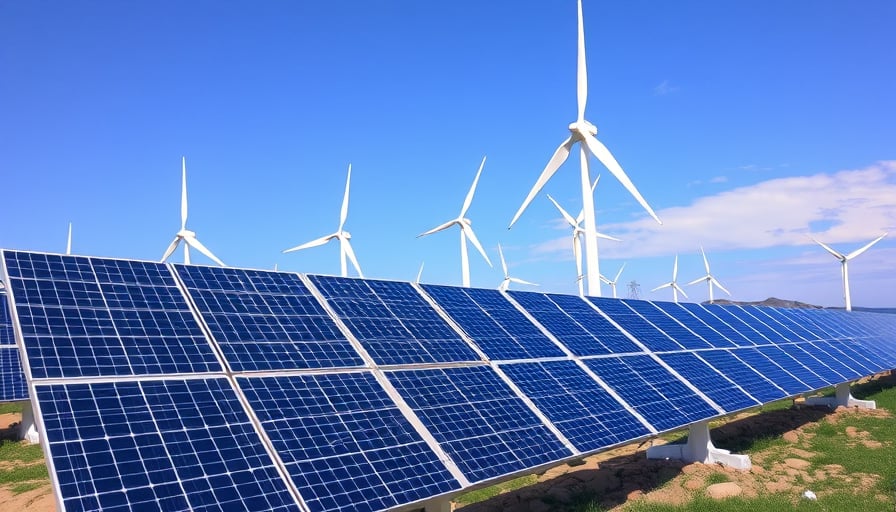
Eni’s renewable portfolio has also seen significant growth, with the acquisition of a 50 MW onshore wind farm in the Veneto region and the development of a 30 MW floating solar installation in the Tyrrhenian Sea. Both projects employ cutting‑edge turbine technology and floating platform designs that reduce maintenance costs and increase energy yield by an average of 8 % compared to conventional fixed‑bottom arrays.
Storage and Infrastructure Developments
Energy storage remains a pivotal element in balancing supply and demand, particularly for the integration of renewable sources. Eni’s partnership with a German battery manufacturer has led to the construction of a 120 MWh lithium‑ion battery storage facility in the Lombardy region. The facility is designed to provide frequency regulation services and to store surplus renewable electricity for peak demand periods, thereby reducing the need for fossil‑fuel‑based peaking plants.
Hydrogen infrastructure is another area of focus. Eni has entered a joint venture with the Italian government to develop a hydrogen refuelling network across the northern corridor. The network will comprise 15 hydrogen stations, each capable of supplying 50 kg of hydrogen per hour, and will support the gradual transition of freight transport to low‑carbon fuels.
Regulatory Impact on Traditional and Renewable Sectors
European energy policy continues to shape market dynamics through a combination of climate targets, carbon pricing, and investment incentives. The European Union’s Green Deal, with its target of a 55 % reduction in greenhouse‑gas emissions by 2030, has led to increased scrutiny of upstream activities. Eni’s compliance with the EU Emissions Trading System (ETS) is reflected in its recent carbon allowance purchase of 1.2 million credits, a 5 % increase over 2023, ensuring that its operations remain within the cap.
Renewable incentives, such as the Renewable Energy Directive (RED II), have provided a favourable net‑present‑value environment for new wind and solar projects, with feed‑in tariffs remaining competitive through 2028. In addition, the EU’s Hydrogen Strategy, which earmarks €15 billion for low‑carbon hydrogen projects, presents opportunities for Eni to expand its green hydrogen portfolio, potentially creating new revenue streams and mitigating reliance on volatile oil markets.
Short‑Term Trading vs. Long‑Term Transition Trends
On the short‑term front, Eni’s share price movements are heavily influenced by global commodity prices and macro‑economic signals. A slight uptick in oil prices, driven by OPEC+ production cuts, has provided a modest boost to Eni’s revenue outlook, while a modest decline in gas prices has tempered expectations in the upstream gas segment.
Over the long term, however, the company’s investment in renewable energy, energy storage, and hydrogen infrastructure positions it favorably within the European transition framework. The diversification of its asset base reduces exposure to the cyclical nature of fossil‑fuel markets and aligns the company with the EU’s decarbonisation roadmap.
Conclusion
Eni SpA’s current trading performance reflects the broader stability of the European equity market while underscoring the company’s resilience amid a complex supply‑demand landscape. Technological innovations in exploration, production, and renewable energy, combined with strategic infrastructure investments, equip the company to navigate both short‑term market fluctuations and the long‑term transition towards a more sustainable energy system. As regulatory pressures intensify and commodity dynamics evolve, Eni’s balanced portfolio and forward‑looking strategy are likely to sustain its valuation and earnings multiples within the competitive European energy sector.