Corporate News: Energy Sector Analysis – The Case of Eni SpA
Market Context and Share Performance
Eni SpA, a leading entity in the global energy landscape, is traded on the Borsa Italiana Electronic Share Market. In the most recent session, the company’s shares closed near the upper boundary of their 52‑week range, signalling a stable valuation within the broader European equity framework. Despite the ongoing upward trajectory of crude oil and natural gas prices, Eni’s share price movement has been modest, reflecting the company’s diversified portfolio spanning upstream exploration and production, downstream refining, and downstream retail operations.
European equity indices, notably the Euro STOXX 50, experienced slight declines late in the trading day, illustrating investor caution in the face of geopolitical uncertainties and heightened fuel‑price pressures. Eni’s integrated supply chain and extensive service network provide a buffer against short‑term commodity price swings, preserving shareholder value amid market volatility.
Supply‑Demand Fundamentals in the Energy Market
- Global Crude Supply: OPEC+ production quotas remain largely stable, while non‑OPEC output has rebounded from the pandemic‑induced downturn. Recent data indicate a net supply growth of approximately 2 % in Q1 2026, driven by increased output from the U.S. shale sector and the North Sea region.
- Demand Trajectory: Global energy demand is projected to grow at a modest 1.3 % annually through 2030, reflecting a gradual shift toward lower‑carbon fuels and heightened efficiency standards. However, industrial sectors in emerging economies continue to exhibit robust consumption of petroleum products, sustaining demand for refined fuels.
- Natural Gas Dynamics: European gas demand has risen due to the transition from coal to gas for power generation and industrial use. LNG imports have increased by 15 % year‑on‑year, with a corresponding rise in spot market prices. Supply constraints in the Caspian basin and the Eastern Mediterranean have tightened the market, supporting higher price levels.
Eni’s upstream operations are strategically positioned within key supply hubs—Saharan Africa, the Middle East, and the Mediterranean—allowing the company to capture early production signals and maintain a resilient supply profile that cushions against global price swings.
Technological Innovations in Energy Production and Storage
| Innovation | Impact on Eni | Broader Market Implications |
|---|---|---|
| Advanced Seismic Imaging | Enables higher recovery rates in mature fields such as the Mediterranean Basin, reducing the need for costly drilling. | Sets a precedent for cost efficiency in mature markets, encouraging industry-wide adoption. |
| Enhanced Oil Recovery (EOR) with CO₂ | Integrates carbon sequestration into production, aligning with Eni’s ESG targets while extending field life. | Demonstrates the commercial viability of CO₂‑EOR, potentially accelerating investment in carbon capture infrastructure. |
| Hydrogen Production from Natural Gas (Power-to-Gas) | Diversifies Eni’s portfolio into low‑carbon hydrogen, leveraging existing gas infrastructure. | Accelerates the shift toward hydrogen as an energy vector, creating synergies between gas and renewable sectors. |
| Battery Energy Storage Systems (BESS) at Refining Sites | Improves grid reliability for refinery operations and facilitates integration of renewable inputs. | Encourages the deployment of BESS in industrial settings, reducing peak demand charges and supporting renewable penetration. |
These technological pathways not only enhance operational performance but also position Eni at the forefront of the energy transition, enabling the company to balance conventional asset performance with emerging low‑carbon opportunities.
Regulatory Environment and Its Impact
- European Union Green Deal: The EU’s target of a 55 % reduction in greenhouse‑gas emissions by 2030 imposes stricter carbon intensity metrics on refining and petrochemical operations. Eni’s investment in carbon capture, utilization, and storage (CCUS) is a direct response to this regulatory pressure.
- Carbon Pricing Mechanisms: The EU Emissions Trading System (ETS) continues to rise, influencing the cost of carbon-intensive processes. Eni’s integrated supply chain allows for selective optimization of carbon footprints across its operations, mitigating the impact of carbon pricing.
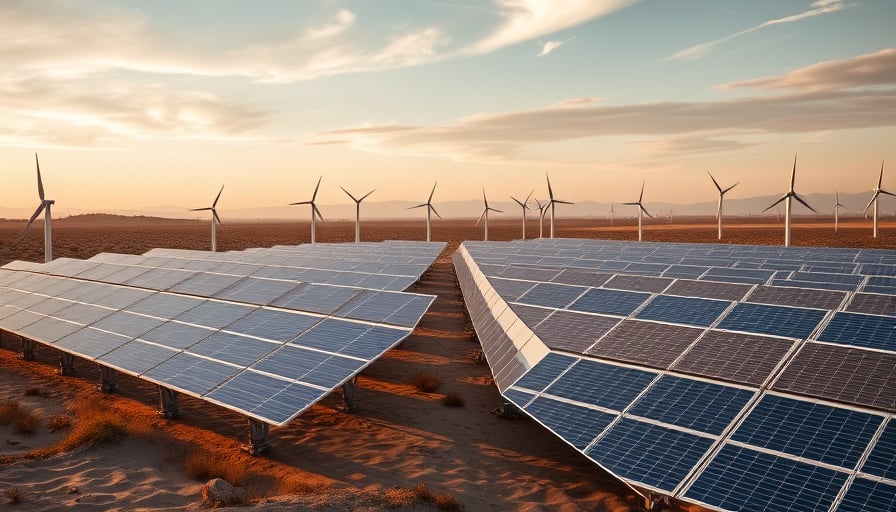
- National Renewable Energy Policies: Countries such as Germany and Italy are expanding incentives for renewable energy integration into the grid. Eni’s renewable portfolio, particularly in solar and wind, is positioned to capitalize on these policy shifts, fostering diversification of revenue streams.
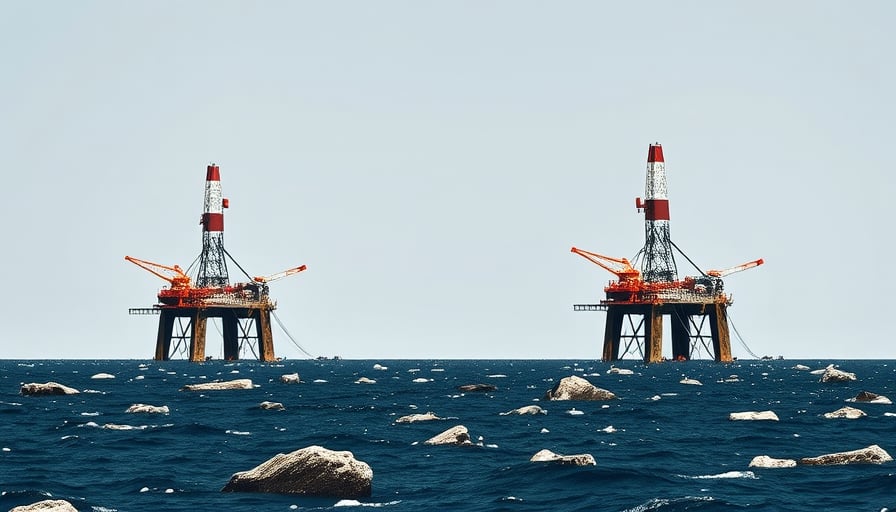
- Safety and Environmental Standards: Stringent regulations around offshore drilling and pipeline safety have driven increased capital expenditures in safety technology. Eni’s proactive compliance measures help reduce liability and enhance operational resilience.
The confluence of these regulatory dynamics necessitates a strategic balance between maintaining profitability in traditional energy segments and investing in low‑carbon alternatives.
Commodity Price Analysis
- Crude Oil: WTI benchmark closed at $95.70 per barrel on the day of Eni’s latest trading session, up 0.8 % from the previous close. Brent crude rallied to $102.25, reflecting a 1.1 % increase driven by supply constraints in the Middle East.
- Natural Gas: European spot gas prices surged to €96 per megawatt hour, up 3 % on the week, buoyed by lower weather‑related demand forecasts and constrained LNG supply.
- Refined Products: Gasoline and diesel spot prices increased by 1.5 % and 1.2 % respectively, consistent with tightening global supply and higher refining margins.
Eni’s diversified portfolio allows it to capture upside from these commodity price movements while leveraging its refining capacity to optimize product margins in a competitive market.
Infrastructure Developments and Market Dynamics
- Upstream Projects: Eni’s recent drilling in the Nador basin has yielded an initial production rate of 20,000 barrels per day, expanding the company’s footprint in the Atlantic margin. The company is also advancing the development of the Dinaric Basin field, expected to commence production by mid‑2027.
- Downstream Expansion: A new refinery expansion in the Lombardy region, slated for completion in 2028, will increase capacity by 15 % and incorporate advanced CO₂ capture modules.
- Transmission and Distribution: The completion of the Southern Italy LNG terminal enhances import flexibility and positions Eni as a key player in the Mediterranean gas market.
These infrastructure initiatives strengthen supply chain resilience, improve market reach, and enable Eni to adapt swiftly to shifting demand patterns.
Short‑Term Trading versus Long‑Term Energy Transition Trends
- Short‑Term Trading: Investors monitor commodity price volatility, geopolitical developments, and macroeconomic indicators. Eni’s share price exhibits sensitivity to oil and gas price fluctuations but is moderated by the company’s diversified revenue streams and robust balance sheet.
- Long‑Term Transition: The global move toward decarbonization, driven by regulatory mandates and technological advancements, underscores a strategic shift. Eni’s investments in renewable generation, hydrogen, and CCUS align with this trajectory, positioning the firm for sustainable growth beyond the oil‑gas era.
Balancing these dual perspectives is crucial for stakeholders: while short‑term market dynamics influence daily trading activity, long‑term structural changes shape the company’s strategic direction and value proposition.
Conclusion
Eni SpA exemplifies a multifaceted energy enterprise navigating complex market forces. Its stable share performance amid volatile commodity prices, coupled with strategic investments in technology, infrastructure, and renewable assets, reflects a balanced approach to both immediate trading realities and the long‑term transition toward a low‑carbon economy. As regulatory frameworks tighten and renewable penetration accelerates, Eni’s integrated operations and diversified portfolio will likely remain key drivers of resilience and value creation in the evolving energy landscape.