
Enel SpA’s Upcoming Quarterly Disclosure: Implications for Power‑Sector Stability and Modernization
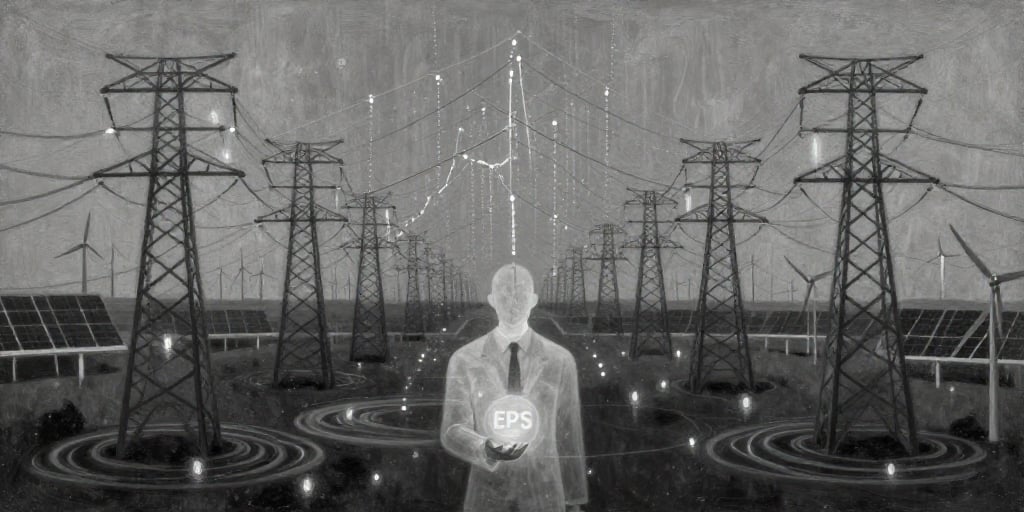
Enel SpA is scheduled to release its financial results for the quarter ended 31 March 2026 on 7 May 2026. While the company’s earnings‑per‑share (EPS) are expected to contract modestly relative to the same period last year, revenue is projected to rise slightly. For the full fiscal year, analysts forecast a pronounced rebound in EPS and a stronger revenue trajectory compared with 2025 figures.
Market Snapshot
Enel’s shares have shown a minor decline in recent sessions within the Euro STOXX 50, yet the index itself recorded a modest positive close, reflecting general market optimism. Enel remains a component of the index, and its share price continues to trade in a relatively stable band amid broader European equity movements.
Technical Assessment of Power‑Generation and Distribution Dynamics
Grid Stability and Renewable Integration
Enel’s power portfolio is rapidly shifting toward higher renewable penetration—solar photovoltaics, wind farms, and hydroelectric facilities. Integrating these variable resources imposes significant challenges on grid frequency control, voltage regulation, and transient stability. The company’s investment in advanced power‑electronics converters, inverter‑based resources, and grid‑forming technologies is aimed at mitigating the inertia deficit that traditionally stems from synchronous generators.
- Frequency Regulation – Battery energy‑storage systems (BESS) and demand‑response programs are being deployed to provide rapid frequency support, compensating for the lack of mechanical inertia.
- Voltage Support – Static VAR compensators (SVCs) and flexible AC transmission systems (FACTS) are being integrated to maintain voltage profiles amid fluctuating renewable output.
- Dynamic Stability – Wide‑area monitoring systems (WAMS) enable real‑time observability of oscillatory modes, allowing Enel’s control centers to pre‑emptively damp power‑system oscillations.
Transmission Infrastructure and Investment Needs
The expansion of renewable assets in remote, offshore, and rural locations necessitates extensive high‑voltage transmission upgrades. Enel’s capital allocation strategy focuses on:
- Upgrading existing corridors to higher‑voltage lines (e.g., 400 kV) to reduce line losses and increase capacity.
- Deploying underground cables in densely populated urban cores to improve reliability and mitigate weather‑related outages.
- Implementing inter‑regional interconnections that facilitate cross‑border power exchanges, enhancing system flexibility and market integration.
These initiatives carry capital intensity on the order of billions of euros per annum, directly influencing future rate structures and consumer costs.
Regulatory and Rate‑Structure Analysis
European Union (EU) regulatory frameworks, notably the Renewable Energy Directive (RED II) and the Power Sector Directive, mandate increased renewable share and grid resilience. Within Italy, the Autorità di Regolazione per Energia Reti e Ambiente (ARERA) sets tariff caps that balance investment returns with consumer protection.
- Feed‑in Tariffs (FiTs) and Contract for Difference (CfD) mechanisms have been re‑structured to incentivize long‑term renewable projects while curbing excessive cost burdens on consumers.
- Dynamic Pricing Models are being trialed to reflect real‑time supply–demand conditions, aligning consumer payments with grid usage patterns.
- Rate‑Case Filings submitted by Enel for its upcoming capital expenditures will undergo rigorous scrutiny to ensure that cost recoveries do not exceed socially optimal levels.
Regulatory scrutiny also encompasses grid codes that define interconnection standards and operational requirements for distributed energy resources (DERs). Compliance with these codes necessitates investment in advanced monitoring and control infrastructure.
Economic Impact on Utility Modernization
Enel’s modernization agenda—characterized by digitalization, cyber‑security enhancements, and the adoption of artificial‑intelligence‑driven asset management—translates into both operational savings and upfront costs.
| Item | Annual Impact (EUR M) | Comments |
|---|---|---|
| Capital Expenditure (CAPEX) | +1,200 | Transmission upgrades, renewable plants, BESS |
| Operating Expenditure (OPEX) | –150 | Efficiency gains from automation |
| Revenue Enhancement | +180 | New service offerings, ancillary services |
| Rate Impact on Consumers | +20 | Spread over 10 years → +2 % annual increase |
| Employment | +3,500 | Creation in construction, maintenance, R&D |
The net present value (NPV) of these investments, discounted at 8 %, remains positive, underscoring the long‑term viability of Enel’s strategic trajectory. However, the incremental rate impact underscores the need for transparent communication with regulators and consumers.
Conclusion
Enel SpA’s forthcoming quarterly report will shed light on the financial implications of its ongoing grid‑modernization and renewable integration initiatives. While the short‑term EPS dip reflects the capital outlays required to secure grid stability, the projected full‑year rebound signals that these investments are poised to yield substantial returns.
For stakeholders—regulators, investors, and consumers alike—understanding the engineering dynamics and regulatory context is essential to assess how Enel’s modernization strategy will shape the broader transition to a low‑carbon, resilient power system in Europe.