Corporate News – Endesa SA Amid Rising Natural Gas Prices
Endesa SA’s share price has attracted attention in the context of heightened volatility across the European energy market. Recent equity analyses have underscored the company’s robust performance within the utilities sector, identifying it as a potential beneficiary of the recent surge in natural gas prices. While the broader utilities landscape has delivered mixed results—some peers lagging behind—Endesa’s comparatively stronger performance signals a resilience to current price pressures.
Grid Stability and Renewable Energy Integration
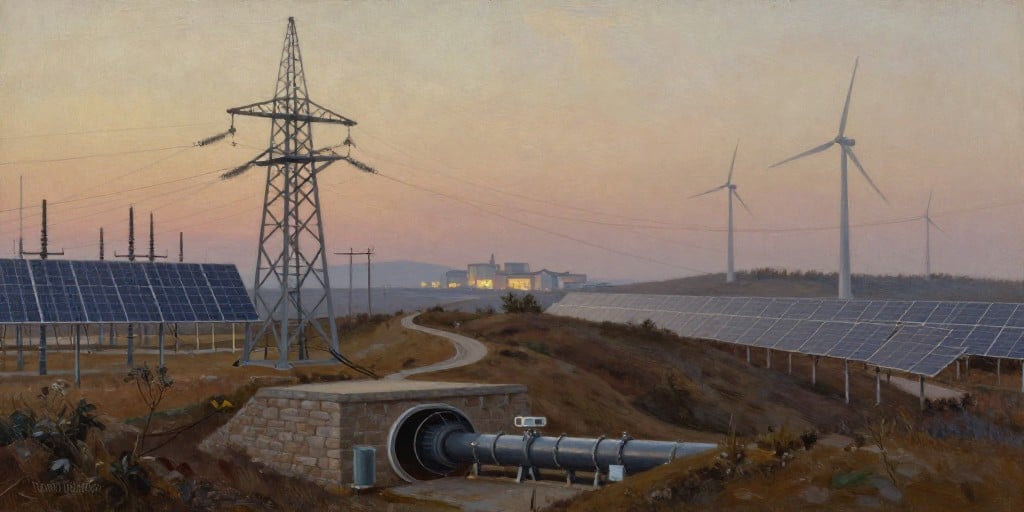
Endesa’s operational strategy reflects a nuanced understanding of power‑generation, transmission, and distribution (G‑T‑D) dynamics. The company has invested heavily in advanced monitoring and control systems that enhance grid stability, particularly as the penetration of variable renewable resources (wind and solar) continues to rise. By deploying phasor measurement units (PMUs) and real‑time state‑estimation algorithms across its high‑voltage network, Endesa mitigates the risk of frequency deviations that can lead to cascading outages.
The integration of renewable energy sources presents two primary technical challenges: intermittency and curtailment. Endesa’s grid architecture now incorporates high‑capacity FACTS (Flexible AC Transmission Systems) devices—such as STATCOMs and SVCs—to regulate voltage and absorb reactive power during sudden wind gusts or solar irradiance fluctuations. Coupled with an expanded battery‑energy‑storage system (BESS) portfolio, the company can smooth power output, reduce curtailment, and provide ancillary services to the national grid.
Infrastructure Investment Requirements
Achieving the required level of reliability and flexibility demands substantial capital outlays. Endesa’s capital‑expenditure plan for the next five years exceeds €5 billion, with approximately 60 % earmarked for transmission‑grid upgrades and 30 % for storage and control‑system enhancements. These investments are designed to support a projected 30 % increase in renewable generation by 2030, in line with Spain’s national decarbonization targets.
From an engineering perspective, the cost of upgrading line capacity is non‑trivial. For example, replacing a 400 kV corridor with a modern XLPE‑insulated line can cost upwards of €100 million per 100 km segment, factoring in civil works, protection systems, and interconnection points. Consequently, Endesa’s investment strategy involves a phased rollout, prioritizing corridors with the highest renewable integration potential and the greatest risk of congestion.
Regulatory Frameworks and Rate Structures
The Spanish regulatory regime, administered by the Comisión Nacional de los Mercados y la Competencia (CNMC), has adopted a tariff‑based incentive scheme that rewards utilities for delivering low‑carbon electricity. Under the “Tarifa de Incentivos para la Generación Renovable” (TIGR), Endesa receives a premium for each megawatt‑hour of renewable generation delivered to the grid. This premium offsets the higher capital costs of renewable infrastructure, thereby influencing the company’s rate‑setting decisions.
In contrast, the conventional “Tarifa de la Eficiencia” (Efficiency Tariff) rewards utilities that demonstrate high operational efficiency and low network losses. Endesa’s investment in grid‑loss reduction technologies—such as improved conductor materials and optimized switching schedules—has enabled it to qualify for this incentive, further bolstering its profitability profile.
Economic Impacts and Consumer Costs
From an economic standpoint, the combination of rising natural gas prices and inflationary pressures has led to an expected tightening of monetary policy across the euro area. As central banks increase policy rates, the cost of debt financing for utilities rises, potentially impacting investment budgets. Endesa’s diversified portfolio and strong balance sheet position it to weather these financing challenges better than utilities with a heavier reliance on fossil‑fuel generation.
Consumer tariffs in Spain are regulated by the CNMC and reflect a blend of generation cost, transmission charges, and distribution expenses. The introduction of renewable energy premium tariffs has increased the share of renewable subsidies in consumer bills by approximately 2 % over the past year. However, Endesa’s investments in grid stability and storage are expected to reduce long‑term price volatility, providing a more predictable cost structure for end users.
Conclusion
Endesa SA’s trajectory amid the volatile European energy landscape illustrates how strategic investments in grid reliability, renewable integration, and regulatory alignment can translate into both financial resilience and competitive advantage. By deploying advanced control technologies and expanding storage capacity, the company is not only reinforcing grid stability but also positioning itself to capitalize on future regulatory incentives. The resulting economic benefits—manifested in lower risk premiums and a more stable consumer tariff—underscore Endesa’s relevance as a key player in the ongoing energy transition.