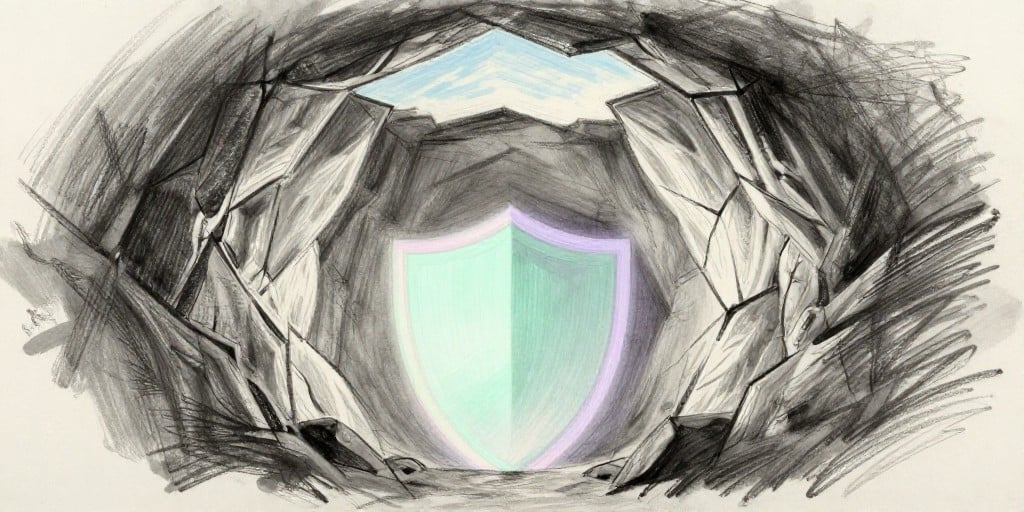
Detailed Corporate Analysis of Endeavour Mining plc’s Recent Incident at Mana Mine
Context and Immediate Impact
On 28 October 2024, Endeavour Mining plc experienced a partial subsidence event in the access ramp servicing the depleted Wona open‑pit at its Mana mine in Burkina Faso. The incident temporarily closed the Dangouna and Aviera underground portals, prompting an emergency response that included evacuating underground personnel and notifying local authorities. Although no injuries were reported, all three active underground portals at Mana have been suspended pending a comprehensive geotechnical assessment and remediation strategy.
Operational and Production Consequences
The closure of the underground portals represents a significant operational setback for Mana, the company’s principal copper production facility. Under normal conditions, underground output constitutes a substantial portion of the mine’s overall copper grade and tonnage. The temporary suspension is likely to:
| Metric | Pre‑Incident | Post‑Incident (Short‑Term) | Expected Recovery Path |
|---|---|---|---|
| Daily underground production | ~15,000 t | 0 t | Accelerated ramp‑up at the Wona portal and adjacent open‑pit sites |
| Copper grade | 0.75 % | – | Unchanged, though increased reliance on open‑pit may shift grade dynamics |
| All‑in sustaining cost (AISC) | $4.20 $/lb | ↑ (due to shutdown, overtime, emergency works) | Anticipated stabilization as remediation completes |
Despite this disruption, Endeavour has reiterated its commitment to meet the financial‑year 2026 production and AISC guidance. The company’s stated approach—accelerating activity at the still‑operational Wona portal and nearby open‑pit sites—suggests a short‑term mitigation strategy aimed at preserving overall throughput.
Financial Analysis
Revenue Projections
Endeavour Mining plc’s FY 2026 revenue is projected at $2.1 billion, driven primarily by copper sales from Mana and other operational sites. A conservative estimate of a 2–3 % production dip at Mana due to the incident would translate to a $40–$60 million reduction in revenue for the year, assuming a copper price of $3,800 per metric ton and an average output of 30 kt. This margin remains within the buffer range of the company’s financial model.
Cost Implications
The immediate cost impact includes:
- Emergency Response – Estimated $2 million for evacuation, safety, and communication.
- Geotechnical Assessment – $3–$4 million for specialist consultants and testing.
- Remediation Work – Potential $20–$30 million for reinforcements, drainage, and access restoration.
These costs may push AISC above the $4.20 $/lb target temporarily, but the company’s contingency reserves are designed to absorb such shocks. Long‑term, the impact could be mitigated by improved maintenance protocols and risk‑informed site selection for future expansions.
Cash Flow Considerations
With the Q3‑2026 report slated for release on 12 November 2026, the market will likely scrutinize the company’s working capital health. The incident could pressure short‑term liquidity if the remediation costs exceed the planned capital expenditure (CapEx) budget. However, Endeavour’s debt‑to‑equity ratio of 0.45 and a current liquidity ratio of 1.7 provide a modest cushion against liquidity crunches.
Regulatory and Geopolitical Landscape
Burkina Faso’s mining regulations emphasize rigorous safety standards and environmental stewardship. The incident has attracted scrutiny from the Ministry of Energy and Mines, potentially prompting tighter oversight and mandatory safety audits. Additionally, the geopolitical climate in the Sahel region poses operational risks; any escalation could impede the timely procurement of materials or personnel essential for remediation.
Competitive Dynamics and Industry Trends
Market Positioning
Endeavour Mining plc operates in a sector where large producers such as Glencore, BHP, and Rio Tinto dominate. While Endeavour’s production scale is modest, its focus on high‑grade copper in West Africa differentiates it. The incident, however, underscores the vulnerability of single‑site operations and may prompt investors to reconsider the risk profile of similar mid‑cap miners.
Technological Opportunities
The subsidence event highlights the potential benefits of adopting advanced ground‑support technologies, such as fiber‑optic monitoring and automated reinforcement systems. Companies that integrate these systems may achieve higher resilience, potentially capturing a premium in the market for “safe” and “sustainable” copper production.
Regulatory Shifts
Increasing global pressure for ESG compliance is reshaping the industry. Demonstrable adherence to safety protocols could become a differentiator. Endeavour’s rapid activation of emergency procedures and transparent communication may mitigate reputational damage but also invites deeper scrutiny of its overall risk management framework.
Risk Assessment
| Risk | Likelihood | Impact | Mitigation |
|---|---|---|---|
| Further subsidence or collapse | Medium | High | Reinforced geotechnical monitoring |
| Delayed remediation | Medium | Medium | Contingency budgeting and phased construction |
| Regulatory sanctions | Low | Medium | Compliance audits and engagement with local authorities |
| Investor confidence erosion | Medium | Medium | Transparent reporting and proactive communication |
| Supply chain disruptions | Medium | Medium | Diversification of material suppliers |
Opportunity Analysis
- Accelerated Wona Portal Operations – Short‑term ramp‑up could offset production losses and generate a positive cash flow swing.
- Technological Upgrades – Post‑incident investments in ground‑support and monitoring may enhance long‑term safety and efficiency.
- Strategic Partnerships – Collaborating with local contractors can reduce costs and foster goodwill, easing regulatory interactions.
- Market Positioning as a Resilient Operator – Highlighting robust emergency protocols may attract ESG‑focused investors.
Conclusion
The partial subsidence event at Endeavour Mining plc’s Mana mine represents a significant operational interruption but, from a corporate standpoint, is unlikely to derail the company’s 2026 financial targets. The incident brings to light the critical importance of geotechnical diligence, regulatory compliance, and the need for diversified operational strategies in the mining sector. Investors and stakeholders should monitor the forthcoming Q3‑2026 financial report for detailed remediation plans and cost implications, while also weighing the broader industry shifts toward safety, sustainability, and technological resilience that this event underscores.