Enbridge Inc. Secures Long‑Term Capital and Advances a Low‑Carbon LNG Project
Enbridge Inc. announced on 13 November 2026 that it had completed three senior note issuances with maturities ranging from the early 2030s to the mid‑2050s. Each tranche is backed by guarantees from the company’s energy‑partner subsidiaries and was offered under a registration statement filed in August 2025. The notes were issued on a senior unsecured basis and were fully subscribed by an underwriting group that includes major financial institutions. The proceeds are earmarked to bolster Enbridge’s balance sheet and support ongoing and prospective expansion projects.
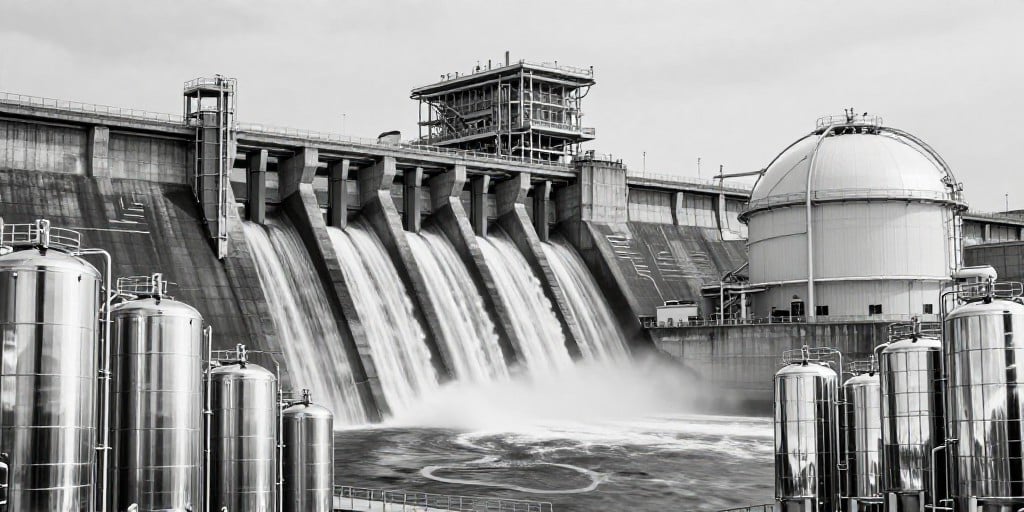
In the same month, the firm secured a federal grant for a liquefied natural gas (LNG) facility on the west coast of Canada. The grant, earmarked to aid a plant largely owned by Enbridge, reflects a policy shift aimed at diversifying Canada’s energy export profile away from the United States. The facility, powered by hydroelectricity, is designed to meet high environmental standards and is subject to oversight by local Indigenous communities. The grant is intended to help the plant achieve net‑zero emissions, positioning it as a pioneering example of low‑carbon LNG production.
Financial Anatomy of the Debt Issuances
Structure and Guarantees
Enbridge’s decision to issue senior unsecured notes, rather than secured debt, signals confidence in its creditworthiness and a desire to keep the debt flexible. By securing each tranche with guarantees from subsidiary energy partners, the company effectively reduces perceived risk for investors, which is reflected in the attractive spread relative to comparable infrastructure debt.
Impact on the Capital Structure
The notes add approximately $2 billion to Enbridge’s long‑term debt. When matched against the firm’s current leverage ratios—debt‑to‑EBITDA of 1.8× and equity‑to‑debt of 0.9×—the incremental debt still leaves a comfortable cushion. However, the longer maturities (2055) mean that refinancing risk is pushed further into the future, potentially exposing Enbridge to interest‑rate volatility and covenant compliance challenges.
Investor Appetite and Market Conditions
Full subscription by a diverse underwriting group—including investment banks with strong fixed‑income mandates—indicates robust demand for infrastructure debt amid a low‑yield environment. The recent surge in ESG‑aligned investment mandates may have contributed to the attractiveness of Enbridge’s notes, given the company’s ongoing low‑carbon projects.
Strategic Significance of the LNG Grant
Aligning with National Energy Policy
Canada’s federal government has set a target of $20 billion in investment for clean energy projects. The grant for Enbridge’s LNG plant aligns with this objective by facilitating a low‑carbon export pathway. By tying the grant to hydroelectric power and net‑zero emissions, the government is effectively steering LNG production toward a more sustainable future, potentially setting a precedent for other LNG projects.
Competitive Landscape and Export Dynamics
The U.S. dominates the LNG export market, but Canada’s west‑coast location offers logistical advantages for European and Asian markets. Enbridge’s facility, with a projected capacity of 1.5 mtpa, would fill a critical supply gap. By positioning the plant as a low‑carbon alternative, Enbridge can command a premium in a market where environmental credentials increasingly influence buyer preference.
Risk of Regulatory Shifts
While the grant is a boon, it also ties the project to federal policy stability. A future shift in government priorities or a tightening of environmental regulations could increase operational costs. Moreover, Indigenous community oversight may introduce additional compliance layers, potentially slowing construction timelines or escalating costs if disputes arise.
Underexplored Opportunities and Potential Risks
| Opportunity | Evidence | Implication |
|---|---|---|
| Green Bond Market | Enbridge’s ESG commitments and low‑carbon LNG plant | Potential to issue green bonds, attracting a broader investor base and lower yields |
| Hydroelectric Synergy | Existing hydro infrastructure in the region | Opportunity for cost‑effective energy sourcing and potential revenue from power sales |
| Cross‑Border Partnerships | LNG facility near U.S. borders | Possibility of joint ventures with U.S. firms to secure pipeline rights and market access |
| Risk | Evidence | Mitigation |
|---|---|---|
| Interest Rate Exposure | Long maturities to 2055 | Hedging strategies, variable‑rate tranches |
| Regulatory Uncertainty | Potential policy shifts on carbon pricing | Engage in policy advocacy, diversify energy portfolio |
| Community Relations | Indigenous oversight | Early and continuous stakeholder engagement, transparent reporting |
Conclusion
Enbridge’s simultaneous execution of long‑term debt and acquisition of a federal grant for a low‑carbon LNG facility illustrates a dual strategy: reinforcing financial resilience while advancing Canada’s clean‑energy export capabilities. While the debt issuances provide a sturdy capital foundation, the LNG project positions the company at the intersection of environmental innovation and global energy demand. Investors and analysts should monitor the company’s debt service metrics, regulatory developments, and community engagement outcomes to gauge the long‑term sustainability of this growth trajectory.