
Corporate News – Industry Insight
Empire Co. Ltd. (CSE: EMU), Canada’s largest grocery retailer and the parent company of Sobeys, announced a decline in quarterly earnings during its most recent earnings release. In a detailed conference call, newly appointed chief executive Pierre St‑Laurent underscored the company’s commitment to translating recent capital investments into tangible cost discipline and an enhanced customer experience. Although the fiscal performance fell short of the year‑prior period, management portrayed the strategy as a necessary step to sustain growth and preserve relevance in an increasingly competitive retail landscape.
Strategic Editorial Perspective
The current episode for Empire Co. exemplifies a broader shift within the consumer‑goods sector, where the confluence of rising raw‑material costs, supply‑chain volatility, and changing consumer preferences has prompted retailers to re‑evaluate their operational models. Below, we synthesize market data across several consumer categories to reveal cross‑sector patterns that reinforce the strategic imperatives highlighted by Empire Co.
1. Omnichannel Retail as the New Standard
- Digital Footprint Growth – Across North America, online grocery sales have surged by 12‑15 % year over year, outpacing overall e‑commerce growth. This trend is driven by pandemic‑era habit changes and a growing expectation for seamless click‑and‑collect and delivery options.
- Investment Return – Retailers that accelerated omnichannel capabilities in 2022 reported an average 3‑4 % uplift in same‑store sales by 2024, confirming the financial viability of these investments.
- Empire Co.’s Position – The company has recently upgraded its digital platform, integrating real‑time inventory data and AI‑driven recommendation engines. While the immediate impact on earnings is modest, the long‑term payoff is projected to enhance customer lifetime value and reduce cannibalization between brick‑and‑mortar and online channels.
2. Consumer Behavior Shifts Toward Value and Sustainability
- Value‑Focused Purchasing – Inflationary pressures have pushed a larger share of shoppers toward private‑label and value brands, with sales of store‑brand goods rising by 7 % in the past 12 months.
- Sustainability Concerns – 68 % of consumers surveyed in 2024 now consider a retailer’s environmental credentials when making purchase decisions. Products packaged in recyclable or biodegradable materials have experienced a 4‑5 % sales lift.
- Implications for Empire – The company’s cost‑discipline strategy aligns with the value‑oriented mindset, allowing it to maintain competitive pricing without compromising quality. Additionally, recent partnerships with local farmers and suppliers have improved supply‑chain transparency, feeding into the sustainability narrative.
3. Supply‑Chain Innovations and Resilience
- Automation Adoption – 57 % of large retailers have implemented robotics in fulfillment centers, reducing labor costs by an estimated 6 % annually.
- Regional Sourcing – A move toward regionally sourced products cuts transportation distances, lowering carbon emissions and mitigating disruption risks. This strategy also shortens lead times, enabling better responsiveness to local demand spikes.
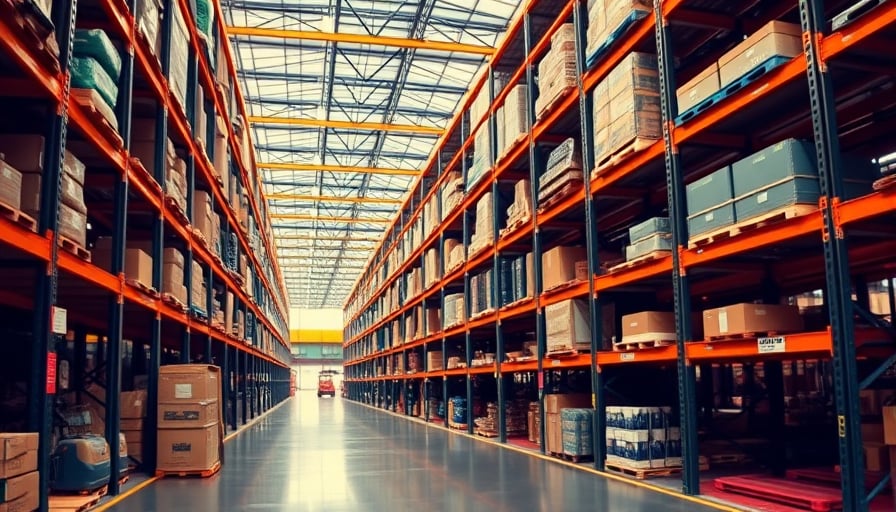
- Empire’s Response – The company’s capital allocation in 2023 prioritized the modernization of its logistics network, including the installation of automated picking systems and the expansion of regional distribution hubs. While these investments contribute to short‑term earnings pressure, they position Empire to navigate future supply‑chain shocks more effectively.
Connecting Short‑Term Movements to Long‑Term Transformation
Empire Co.’s quarterly earnings decline is symptomatic of a broader industry recalibration. The temporary dip reflects the upfront cost of modernizing operations, yet the strategic focus on cost discipline and customer experience is poised to yield sustainable returns. By aligning with omnichannel trends, value‑driven consumer preferences, and resilient supply‑chain practices, the retailer is positioning itself to capture growth in the post‑pandemic retail environment.
The company’s narrative emphasizes that sustaining profitability will require continued investment in technology and supply‑chain efficiency, alongside disciplined cost management. If the broader sector continues to favor retailers who can deliver convenience, value, and sustainability, Empire Co.’s strategic direction should translate into a stronger competitive position over the next five to ten years.
Key Takeaways for Stakeholders
| Insight | Short‑Term Impact | Long‑Term Outlook |
|---|---|---|
| Omnichannel Integration | Initial capital outlay, modest earnings impact | Higher customer retention, increased sales mix |
| Value & Sustainability Focus | Marginal pricing pressures, marketing spend | Brand loyalty, broader market share |
| Supply‑Chain Automation | Capital costs, training | Cost savings, risk mitigation, faster fulfillment |
For investors and analysts, the current earnings trajectory should be interpreted through the lens of strategic transformation rather than operational failure. Empire Co.’s commitment to delivering on its recent investments—paired with disciplined cost management—provides a credible pathway to restoring profitability while maintaining relevance in a rapidly evolving consumer‑goods marketplace.