
Corporate News Analysis: Elbit Systems Ltd. in the Context of Rising Defence Spending and Global Security Dynamics
Elbit Systems Ltd. (NASDAQ: ELBT), a leading aerospace and defense technology provider headquartered in Haifa, has recently experienced a surge in investor interest. The company’s share price has climbed to new annual highs, a trajectory that analysts link to heightened defence budgets worldwide and the firm’s strategic positioning in several high‑growth sectors.
Drivers of Share‑Price Appreciation
Escalating Defence Budgets Governments across the globe are increasing allocations for security, citing rising geopolitical tensions in regions such as Eastern Europe, the Middle East, and the Indo‑Pacific. This macro‑level shift has amplified demand for advanced weaponry and ISR (intelligence, surveillance, and reconnaissance) solutions. Elbit, with its diversified portfolio spanning missile systems, command and control, and unmanned aerial vehicles (UAVs), is well‑situated to benefit from this trend.
Strategic International Partnerships The company’s recent collaboration with the Peruvian Army’s ammunition factory, FAME, underscores Elbit’s ability to secure key contracts in emerging markets. The partnership focuses on providing advanced artillery modernization equipment, a critical capability for armies seeking to upgrade legacy platforms. This deal not only generates immediate revenue but also establishes a foothold in South America, where defence spending is projected to grow at a compound annual growth rate (CAGR) of 5–7 % over the next decade.
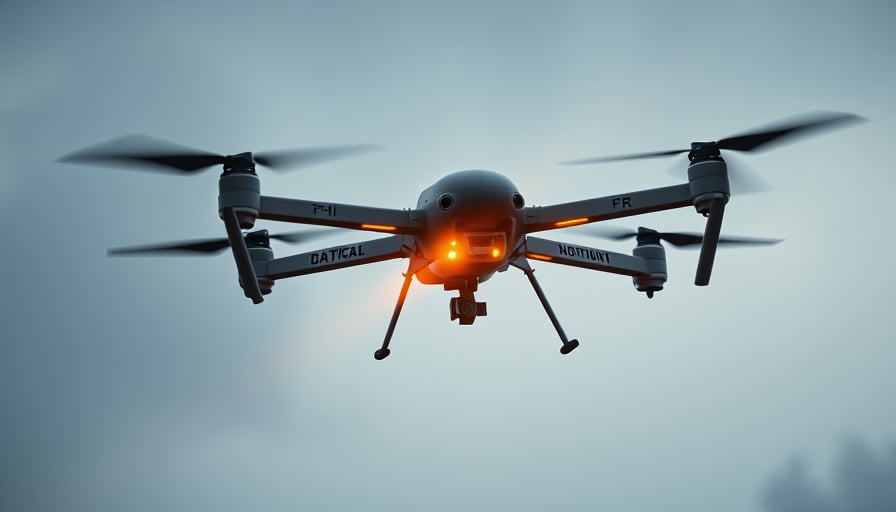
Expansion in the Tactical UAV Market Analysts point to the expanding tactical UAV sector—estimated to reach $45 billion by 2030—as a significant growth lever. Elbit’s UAV offerings, known for their modularity, endurance, and payload versatility, align with the increasing demand for autonomous ISR assets. The company’s investment in research and development, coupled with a robust supply‑chain network, positions it to capture market share from both legacy manufacturers and newer entrants.
Cross‑Sector Linkages and Broader Economic Trends
Technology Transfer and Global Supply Chains Elbit’s role in transferring sophisticated defence technologies to sovereign militaries exemplifies the broader trend of technology export controls and dual‑use regulations. As international trade frameworks evolve—particularly with the U.S. Department of Commerce’s Office of Defense Trade Controls—companies that navigate compliance efficiently gain a competitive edge.
Digital Transformation in Defence The integration of AI, machine learning, and advanced data analytics into ISR systems is reshaping the industry. Elbit’s investment in software‑centric platforms reflects a wider shift toward “software‑driven” military capabilities, mirroring similar transformations in sectors such as automotive (autonomous vehicles) and energy (smart grids).
Fiscal Policy and Monetary Conditions Low interest rates and accommodative fiscal policies in many advanced economies have lowered borrowing costs for defence procurement programs. This environment enhances the attractiveness of capital‑intensive defence contractors like Elbit, supporting higher valuation multiples and reinforcing positive sentiment among institutional investors.
Fundamental Business Considerations
Competitive Positioning Elbit competes with major industry players such as Raytheon Technologies, Lockheed Martin, and BAE Systems. Its diversified product mix, combined with a strong focus on emerging technologies, differentiates it in both mature and high‑growth markets. However, the firm must remain vigilant against pricing pressures and potential supply‑chain disruptions.
Revenue Diversification The company’s earnings are sourced from a balanced mix of military hardware, systems integration, and support services. This diversification mitigates sector‑specific risks and enhances resilience against cyclicality in defence spending.
Regulatory and Compliance Risks Operating in the defence sector exposes Elbit to stringent export controls, sanctions regimes, and compliance requirements. Effective governance structures and proactive risk management are essential to sustain growth while avoiding costly regulatory breaches.
Outlook
The confluence of rising global defence budgets, strategic international collaborations, and expansion into high‑growth sub‑sectors such as tactical UAVs is creating a favorable environment for Elbit Systems. While competitive dynamics and regulatory complexities remain, the company’s robust fundamentals and strategic positioning suggest continued upside potential. Investors and stakeholders should monitor macro‑economic indicators, defence policy shifts, and technological innovations that could influence Elbit’s trajectory in the coming years.