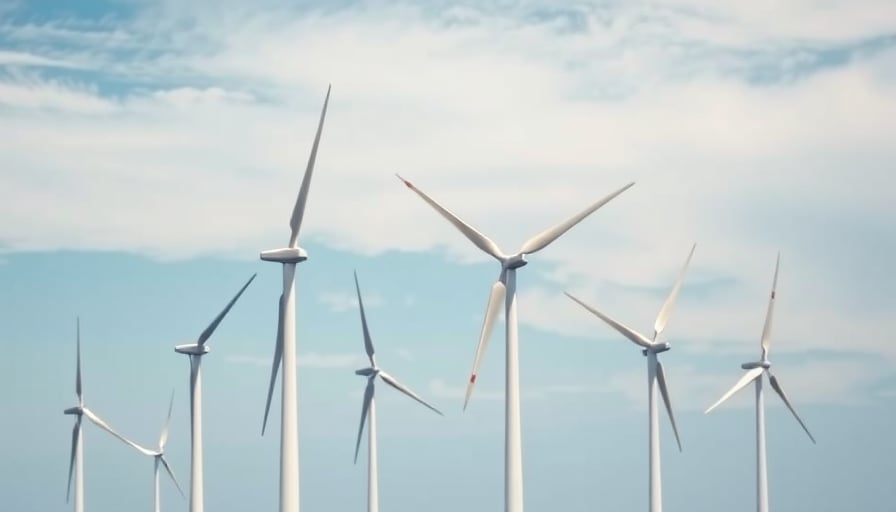
E.ON SE Announces Aggressive Investment Plan Amid Robust 2025 Results
E.ON SE, one of Europe’s largest energy network operators, disclosed a strong financial performance for the 2025 reporting period and unveiled a significant expansion of its capital‑expenditure programme. The company has lifted its investment target to 48 billion euros through 2030, citing escalating demand for network upgrades driven by the proliferation of data centres, artificial‑intelligence workloads, and the integration of renewable‑energy resources.
Rationale for the Investment Hike
The updated investment ceiling reflects the company’s assessment that modernising the transmission and distribution grids is critical to accommodate the accelerating digitalisation of the economy. Key drivers identified by E.ON include:
| Driver | Impact on Grid Infrastructure |
|---|---|
| Data Centres | High‑capacity, low‑latency power requirements necessitate reinforced feeder systems. |
| Artificial‑Intelligence | AI‑heavy workloads concentrate demand, creating peak‑load scenarios that require reinforced substations. |
| Renewable‑Energy Integration | Decentralised wind and solar farms increase the intermittency of supply, demanding flexible grid management and storage solutions. |
These factors collectively elevate the urgency of investment in smart‑grid technologies, voltage‑control systems, and advanced monitoring platforms that can dynamically respond to fluctuating demand patterns.
Market Reception and Analyst Outlook
Following the announcement, E.ON’s share price surged to its highest level since 2012, underscoring investor confidence in the company’s long‑term growth trajectory. Analyst coverage remained supportive, with Kepler Capital maintaining a buy rating and a price target of €21.50 per share. Trading activity in the immediate aftermath has been moderate, with recent sessions showing only a marginal decline in the opening price, indicating sustained demand for the stock.
Leadership in Romania and Strategic Shift
In Romania, Claudia Griech—who has served as chief executive of E.ON Energie România since 2021 and joined the group in 2005—continues to drive the region’s transition from a conventional energy supplier to a provider of sustainable energy solutions. Her stewardship illustrates the broader strategic pivot toward customer‑centric, environmentally focused offerings across the group’s portfolio. Griech’s initiatives in Romania include:
- Expanding renewable‑energy capacity and grid integration projects.
- Implementing demand‑response programmes to align consumer consumption with supply variability.
- Enhancing digital platforms that offer real‑time energy monitoring for industrial and residential clients.
Broader Implications for the Utilities Sector
E.ON’s reinforced investment strategy and positive financial performance reinforce its standing within the utilities sector. The company’s proactive stance on network upgrades positions it favorably against competitors that lag in digital transformation. Moreover, the focus on renewable integration aligns with regulatory pressures and investor preference for environmentally responsible capital allocation.
From an economic perspective, the investment surge is consistent with the broader trend of heightened capital deployment in critical infrastructure sectors, driven by:
- Energy‑Transition Policies: European Union targets for net‑zero emissions by 2050 are accelerating the need for modernised grids.
- Technology Adoption: The growth of 5G, edge computing, and AI workloads intensifies the demand for resilient power systems.
- Financial Markets: Low‑interest‑rate environments and climate‑risk‑adjusted capital pricing are creating favourable conditions for large‑scale infrastructure investments.
Conclusion
E.ON SE’s announcement of a €48 billion investment cap through 2030, combined with robust 2025 financial results, reflects a strategic commitment to modernising its network in anticipation of evolving energy demand. The positive market reaction, supportive analyst outlook, and leadership initiatives in Romania underscore the company’s trajectory toward a sustainable, customer‑centric future within the utilities sector. Market participants remain optimistic about the long‑term prospects, viewing E.ON as a leading example of how traditional utilities can adapt to the demands of a digital, low‑carbon economy.