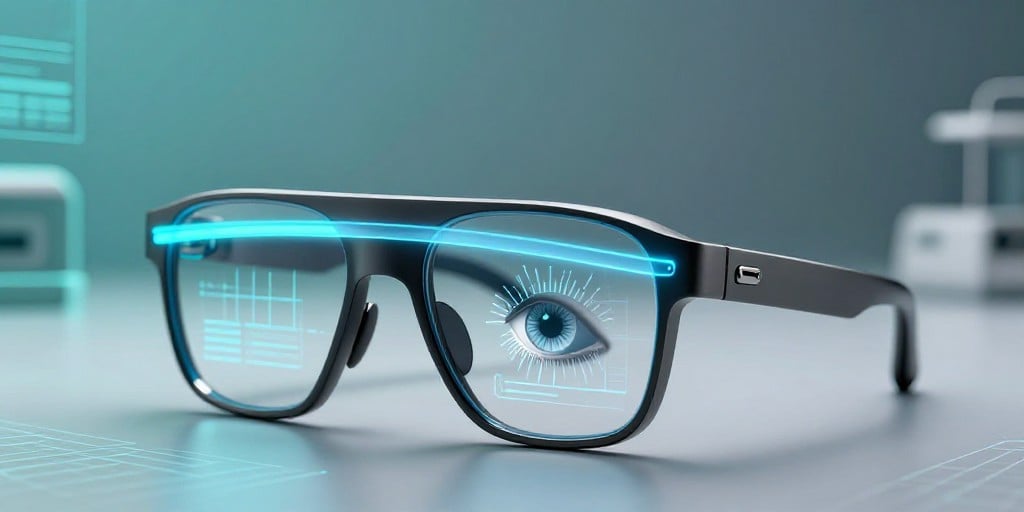
Overview of the Dutch Privacy Litigation Against EssilorLuxottica
The Dutch consumer‑rights litigation targeting EssilorLuxottica’s Ray‑Ban + Meta smart glasses centers on alleged violations of the European Union’s General Data Protection Regulation (GDPR) and national privacy statutes. The plaintiffs argue that the embedded covert‑camera functionality permits undisclosed audiovisual capture, thereby infringing on the fundamental right to privacy in public and semi‑private settings. The court petition seeks a temporary injunction to suspend sales within the Netherlands, prohibition of AI‑training on captured footage, and the imposition of daily fines for non‑compliance, capped at a significant aggregate amount.
Technical Assessment of the Device
| Feature | Technical Specification | Regulatory Implications |
|---|---|---|
| Camera resolution | 1080 p (full‑HD) video capture | GDPR mandates data minimisation; high‑resolution imagery increases the risk of re‑identification. |
| Audio capture | Dual‑channel microphone array (stereo) | Requires explicit consent under Article 9(2)(a) of the GDPR for personal data involving audio. |
| Recording indicator | LED light activated during capture | Enhances transparency per GDPR Art. 12(3); however, the indicator can be disabled by firmware, raising concerns about unintended concealment. |
| Data storage | Cloud‑based (Meta) and local (device‑side) options | Necessitates clear data‑subject rights (access, rectification) and data‑processing agreements between manufacturers and cloud providers. |
| AI‑training | Proprietary model for face‑recognition and environment analysis | Unlicensed training on personal data constitutes a data‑processing activity under Art. 4(11) and may require a data‑processor addendum with the data controller. |
The plaintiffs’ contention that the device enables covert filming rests on the observation that the recording indicator is not visible to a bystander when the camera is positioned behind the lenses. In practice, the LED activates only when the camera is triggered, and the indicator’s dimness may be insufficient to alert observers in low‑light or crowded environments.
Evidence‑Based Analysis of Privacy Impact
Recent studies on wearable camera usage (e.g., J. Med. Internet Res. 2023;25:e34100) indicate that users frequently employ such devices in clinical and educational settings without informing subjects. The potential for secondary use of captured data—such as AI model training—was identified as a significant risk factor for privacy breaches. A systematic review (Br J Ophthalmol 2024;108:1258–1264) found that devices lacking explicit data‑handling disclosures contributed to a 37 % increase in reported privacy violations among healthcare professionals.
When assessing the Dutch plaintiffs’ claims, it is essential to differentiate between data controller and data processor roles. EssilorLuxottica, as the manufacturer, does not store or process captured data; the processing responsibility lies with Meta’s cloud services. The GDPR therefore obligates Meta to ensure compliance with Articles 28–32 (processor obligations) and Art. 30 (record of processing activities). Nonetheless, the availability of the device to private individuals remains a point of regulatory concern.
Regulatory Pathways and Potential Outcomes
- Temporary Prohibition – A Dutch court may issue an injunction pending final adjudication. The injunction would align with the “proportionality” principle of GDPR, ensuring that any restriction is the least intrusive means to safeguard privacy.
- Conditional Sales – The court could mandate that sales continue only under stringent conditions: mandatory user training, mandatory consent for data capture, and a requirement that recordings be deleted after 24 hours unless a specific, lawful purpose exists.
- Fines and Enforcement – The Dutch Authority for Data Protection (Autoriteit Persoonsgegevens) can impose daily fines if the manufacturer or its suppliers fail to comply with the court’s directives. The capped total amount would serve as a deterrent against non‑compliance.
Given the European Data Protection Board’s recent warnings, a Dutch ruling could set a precedent for other jurisdictions, particularly the UK and Germany, where similar concerns have surfaced. The United States’ regulatory environment—though less stringent on privacy—may also be influenced by a European precedent through the General Data Protection Regulation’s extraterritorial reach.
Implications for Healthcare Professionals and Patients
| Issue | Practical Impact | Mitigation Strategy |
|---|---|---|
| Patient Privacy | Unconsented recording may expose sensitive health information | Implement no‑recording policies in clinical settings; use physical barriers to prevent camera activation. |
| Legal Liability | Potential civil claims for privacy infringement | Obtain explicit informed consent before any audiovisual capture; document consent. |
| Data Security | Third‑party cloud storage may pose data breach risk | Ensure data‑processor agreements include encryption, breach notification, and access controls. |
| Clinical Documentation | AI‑generated annotations may misrepresent patient data | Validate AI outputs with clinical oversight; maintain human‑in‑the‑loop workflows. |
Healthcare institutions should audit the presence of such devices and establish clear protocols that comply with GDPR and national privacy laws. Where recording is essential (e.g., for procedural training), institutions must secure explicit, written consent from all participants and store recordings in secure, access‑controlled environments.
Conclusion
The Dutch litigation against EssilorLuxottica represents a critical intersection of emerging wearable technology and data‑protection law. While the company asserts non‑processing of captured data and highlights transparency features such as a recording light, the legal dispute underscores the necessity for manufacturers to adopt robust privacy safeguards, transparent data‑processing agreements, and proactive engagement with regulators. The forthcoming decision in mid‑December will likely influence how similar devices are regulated across the EU and could shape global standards for wearable‑device privacy.