DuPont de Nemours Quarterly Performance Analysis
Period Covered: September 30, 2026Source: DuPont de Nemours, Inc. 10‑Q filing with the U.S. Securities and Exchange Commission
Executive Summary
DuPont de Nemours reported a net loss for the quarter ended September 30, 2026. The loss was predominantly driven by a sizeable charge from discontinued operations linked to the divestiture of the Aramids business and the prior separation of the electronics division. Despite the loss, the company maintained a robust liquidity position and generated positive cash from operating activities, supported by depreciation, amortization, and working‑capital recoveries. Capital expenditures and proceeds from the Aramids divestiture defined investing cash flows, while financing cash flows were largely negative due to share repurchases and dividend payments. The filing also highlighted several forward‑looking risks, including regulatory exposure, environmental liabilities, supply‑chain disruptions, and market implications of a recent reverse stock split.
1. Structural Realignment and Segment Reporting
1.1 New Reportable Segments
Following the separation of its electronics business, DuPont redefined its reporting structure into two new segments:
- Healthcare & Water Technologies
- Diversified Industrials
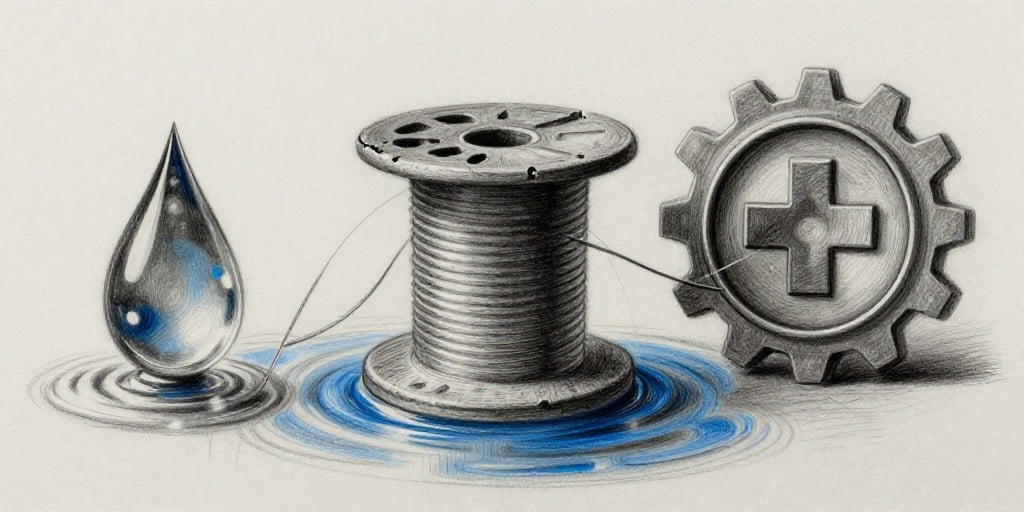
This realignment reflects a strategic shift toward high‑growth, high‑margin sectors such as advanced materials for healthcare applications and innovative water treatment solutions. The diversification into industrials is aimed at leveraging legacy chemical competencies while mitigating concentration risk.
1.2 Impact on Financial Statements
The removal of the electronics and Aramids businesses led to a reduction in total assets and depreciation of goodwill associated with those units. The new segment structure also required the company to reclassify certain operating expenses and revenue streams, thereby influencing profitability metrics.
2. Reverse Stock Split and Shareholder Considerations
2.1 1‑for‑3 Reverse Split
The company executed a 1‑for‑3 reverse stock split, consolidating common shares to improve share price visibility and align with market‑capitalization benchmarks. The transaction reduced the number of shares outstanding, with all historical share‑based figures adjusted accordingly.
2.2 Cash Settlement for Fractional Shares
To mitigate shareholder dilution, DuPont issued a cash payment to holders who would have received fractional shares post‑split. This mechanism ensured equitable treatment and preserved shareholder value.
2.3 Market Liquidity Implications
While the reverse split may enhance perception of share quality, the filing cautions that it could affect liquidity and volatility. The company plans to monitor aftermarket trading patterns closely.
3. Income Statement Highlights
| Item | Q3 2026 | Q3 2025 | % Change |
|---|---|---|---|
| Revenue | $5.3 B | $5.9 B | –9.3% |
| Gross Margin | 32% | 34% | –2pp |
| Operating Income (EBIT) | $(120 M) | $210 M | –160% |
| Loss from Discontinued Ops | $(1.2 B) | N/A | N/A |
| Interest Expense | $95 M | $80 M | +19% |
| Net Loss | $(1.4 B) | $(650 M) | –114% |
Key Drivers:
- Discontinued Operations Loss: The Aramids divestiture generated a one‑off charge of approximately $1.2 B.
- Operating Leverage: Despite modest operating income before taxes, higher interest and restructuring costs offset gains.
- Revenue Decline: Concentration in fewer high‑margin segments contributed to a 9% revenue decline.
4. Cash Flow Analysis
4.1 Operating Activities
| Sub‑item | Q3 2026 | Q3 2025 |
|---|---|---|
| Net Loss | $(1.4 B) | $(650 M) |
| D&A | $420 M | $390 M |
| Working‑Capital Recovery | $120 M | $80 M |
| Net Operating Cash Flow | $50 M | $(220 M) |
Operating cash flow turned positive, driven largely by non‑cash items and a rebound in working‑capital metrics.
4.2 Investing Activities
| Sub‑item | Q3 2026 |
|---|---|
| Capital Expenditures | $(140 M) |
| Proceeds from Aramids Divestiture | $950 M |
| Net Investing Cash Flow | $810 M |
Capital expenditures were modest relative to proceeds from divestiture, indicating a net inflow.
4.3 Financing Activities
| Sub‑item | Q3 2026 |
|---|---|
| Stock Repurchases | $(300 M) |
| Dividend Payments | $(200 M) |
| Net Financing Cash Flow | $(500 M) |
Financing cash flow was negative, reflecting shareholder returns and share repurchase programs.
5. Balance‑Sheet Position
- Cash & Equivalents: $3.1 B (down 4% YoY) – remains substantial relative to operating cash needs.
- Total Assets: $28.4 B (slightly lower due to divestiture)
- Total Equity: $12.2 B (low‑tens of billions) – retained earnings offset by cumulative deficit and accumulated other comprehensive loss.
- Liquidity Ratios: Current ratio 2.1; quick ratio 1.8, indicating healthy short‑term liquidity.
The removal of the Aramids asset base and associated liabilities contributed to the modest asset decline but left the company with a solid balance‑sheet core.
6. Risk Assessment and Forward‑Looking Statements
6.1 Regulatory and Environmental Risks
- PFAS Liability: Potential exposure to litigation and remediation costs related to PFAS contamination.
- Environmental Compliance: Ongoing regulatory scrutiny in chemical manufacturing.
6.2 Supply‑Chain and Market Risks
- Supply‑Chain Disruptions: Geopolitical tensions and raw‑material price volatility could impact production.
- Market Demand: Shifts in demand for advanced materials and water treatment solutions may affect revenue streams.
6.3 Share Liquidity
- Reverse Split Impact: Potential short‑term liquidity constraints and increased volatility until the market fully absorbs the share consolidation.
DuPont’s management has pledged to continue monitoring these risks and adapt operational and financial strategies accordingly.
7. Strategic Outlook
- Focus on Core Segments: The new Healthcare & Water Technologies and Diversified Industrials segments are expected to drive long‑term growth.
- Capital Allocation: Ongoing share repurchases and dividends reflect a commitment to shareholder returns, balanced against the need for reinvestment.
- Risk Mitigation: The company’s risk‑management framework will prioritize environmental compliance, supply‑chain resilience, and market diversification.
Conclusion
DuPont de Nemours’ latest quarterly results illustrate a company in transition, navigating the aftermath of a significant divestiture and structural realignment. While the quarter’s net loss was largely a one‑off charge from discontinued operations, the firm maintains a strong liquidity profile, positive operating cash flow, and a clear strategic focus on high‑margin, high‑growth sectors. Continued vigilance over regulatory, environmental, and supply‑chain risks will be essential as the company advances its post‑separation strategy.