Corporate News – Technical Overview of DTE Energy’s Upcoming Q3 2026 Earnings Release
DTE Energy is scheduled to announce its third‑quarter 2026 financial results ahead of the market open on Thursday, November 5, with a conference call at 9:00 a.m. Eastern Time. The company will provide multiple access points—live webcast, toll‑free dial‑ins for the United States, Canada, and international participants—alongside a passcode and post‑event archival details. This technical briefing examines the implications of DTE’s diversified portfolio and strategic initiatives for grid stability, renewable integration, infrastructure investment, and regulatory dynamics.
1. Power Generation Portfolio and Renewable Integration
1.1 Conventional and Renewable Mix
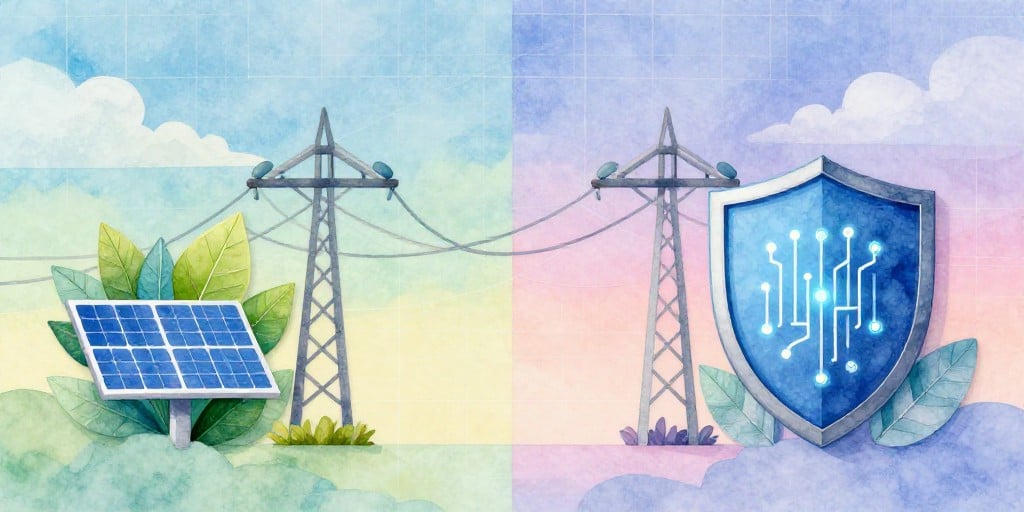
DTE’s generation portfolio includes traditional coal, natural gas, and emerging renewable assets such as wind and solar farms. The company’s commitment to carbon‑reduction targets implies accelerated deployment of renewable capacity. From an engineering perspective, the intermittent nature of wind and solar introduces stochastic power injections, necessitating enhanced flexibility through either peaking plants, battery storage, or demand‑side management.
1.2 Grid Stability Challenges
The integration of renewables at higher penetrations strains frequency regulation and voltage support. DTE must invest in:
- Advanced Power Electronics: Flexible AC transmission system (FACTS) devices (e.g., STATCOMs, SVCs) to manage reactive power and damp oscillations.
- Wide‑Area Monitoring Systems (WAMS): Phasor Measurement Units (PMUs) for real‑time visibility and rapid control actions.
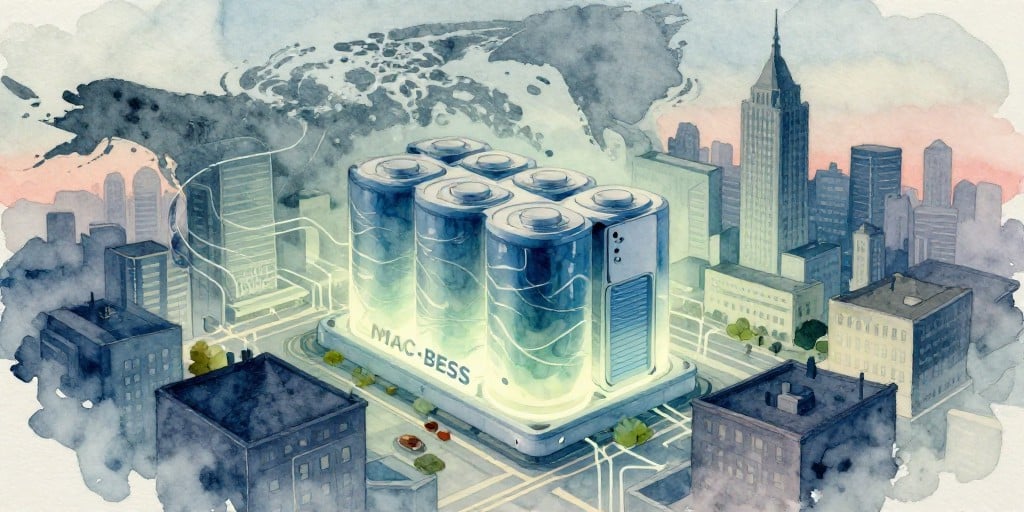
- Dynamic Energy Storage: Battery Energy Storage Systems (BESS) with high power density to provide fast frequency response and reserve capacity.
2. Transmission and Distribution Infrastructure
2.1 Grid Modernization Needs
Southeast Michigan’s aging transmission corridors face increased loading due to distributed energy resources (DERs) and electric vehicle (EV) charging. DTE must upgrade:
- High‑Voltage Substations: Incorporate microgrids and islanding capabilities to enhance resilience.
- Undergrounding Projects: Reduce weather‑related outages in urban areas, albeit at higher upfront capital costs.
- Smart Grid Deployment: Advanced metering infrastructure (AMI) and automated switchgear for real‑time asset management.
2.2 Investment Requirements
Projected capital expenditures (CAPEX) for DTE’s next five years are estimated at $1.8 billion, with $600 million allocated to transmission upgrades and $1.2 billion to distribution and smart grid technologies. Cost‑allocation models must balance regulatory rate structures and stakeholder expectations.
3. Regulatory Framework and Rate Implications
3.1 Regulatory Oversight
DTE is regulated by the Michigan Public Service Commission (MPSC). Key regulatory considerations include:
- Rate Design: Time‑of‑use (TOU) tariffs to reflect real‑time wholesale cost variability, encouraging load shifting.
- Renewable Portfolio Standards (RPS): Mandatory procurement of renewable energy certificates (RECs) to meet state targets, influencing procurement strategies and pricing.
- Capital Cost Recovery: Approval of large‑scale infrastructure projects through the rate‑setting process, impacting consumer billing cycles.
3.2 Economic Impacts
The introduction of advanced grid assets can lead to:
- Reduced Losses: Improved voltage regulation reduces line losses by up to 2 %, translating to lower operating costs.
- Peak Shaving: Enhanced storage and demand response reduce the need for expensive peaking plants.
- Long‑Term Rate Stabilization: While CAPEX may initially increase rates, efficiency gains and renewable integration can moderate long‑term price volatility.
4. Energy Marketing, Trading, and Risk Management
DTE’s engagement in energy trading allows the company to hedge exposure to fuel price swings and wholesale market volatility. The company’s proprietary algorithms analyze real‑time demand forecasts, weather patterns, and market signals to optimize dispatch and trading positions. Effective risk management reduces the likelihood of sudden rate adjustments for consumers.
5. Community Engagement and Economic Development
While the primary focus of this briefing is technical, DTE’s community initiatives—volunteerism, education, and employment—serve to enhance public perception and support workforce development for emerging grid technologies. Investment in local training programs ensures a skilled labor pool capable of maintaining and expanding advanced grid infrastructure.
6. Conclusion
DTE Energy’s forthcoming Q3 2026 earnings release will likely underscore its strategic trajectory: accelerated renewable integration, comprehensive grid modernization, and disciplined regulatory compliance. From a technical standpoint, the firm’s investments in power electronics, monitoring systems, and energy storage are critical to maintaining grid stability amid evolving renewable penetration. The resulting CAPEX will be reflected in rate structures that balance consumer affordability with the necessity of a resilient, low‑carbon power system.
Prepared for stakeholders requiring a detailed, engineering‑focused analysis of DTE Energy’s operational and strategic direction.