The Intersection of Digital Transformation and Physical Retail in the Sports‑Betting Arena
DraftKings Inc.’s recent share price uptick—though modest—underscores the growing attention that investors are paying to the regulatory and legal environment surrounding online sports betting and prediction markets. The company’s market reaction is a micro‑cosm of broader dynamics at the nexus of digital commerce, evolving consumer habits, and shifting demographic preferences.
Legislative Momentum and Consumer Perception
A Senate proposal that would forbid Commodity Futures Trading Commission‑regulated entities from offering contracts tied to sporting events and casino‑style games signals a tightening of the regulatory sandbox in which companies like DraftKings operate. The bill reflects lawmakers’ concerns about consumer protection, particularly for younger demographics that increasingly engage in micro‑transactions through mobile apps. Should the bill pass, it would not only constrain the product mix of existing platforms but also alter how marketers can structure promotional campaigns that rely on the excitement of live sports.
The simultaneous NCAA lawsuit alleging that DraftKings’ use of terms such as “March Madness” or “Final Four” misleads consumers adds another layer of scrutiny. While the company has clarified it does not hold trademarks on these phrases, the legal dispute highlights the delicate balance between leveraging popular cultural references and maintaining the integrity of collegiate athletics. The outcome will shape how sports‑betting operators can align their branding with well‑known sporting events without infringing on intellectual property or compromising consumer trust.
Generational Spending Patterns and the Shift to Hybrid Experiences
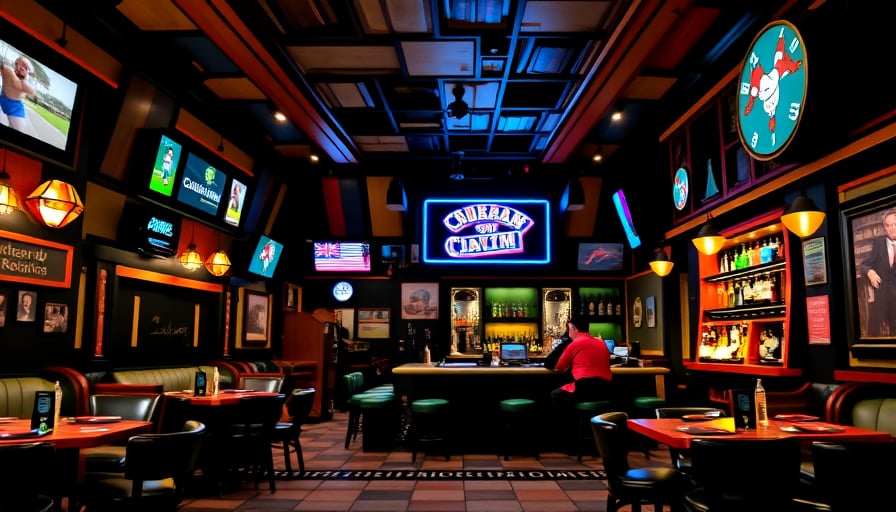
Millennials and Gen Z have demonstrated a propensity for experiential spending over purely digital interactions. They value immersive retail environments that blend physical presence with digital interactivity—think pop‑up stores that incorporate augmented reality or instant‑win kiosks. DraftKings, traditionally a digital-first platform, has begun exploring partnerships with brick‑and‑mortar venues such as sports bars and casinos, offering in‑person betting kiosks that synchronize with its online app. This hybrid model satisfies younger consumers’ desire for tactile engagement while leveraging the scalability of digital infrastructure.
Moreover, the rise of “micro‑betting” appeals to younger users who are attracted to small, frequent bets rather than large, high‑risk wagers. This trend dovetails with the increasing prevalence of “casual gaming” and “gamble‑on‑the‑go” behaviors, especially in urban centers where consumers seek quick, socially shareable experiences. By tailoring its product offering to these micro‑betting patterns—through tiered betting limits or time‑bound contests—DraftKings can capture a larger share of the youth market.
Digital Transformation Meets Physical Retail
The convergence of digital payment systems, data analytics, and real‑time engagement tools has opened new avenues for physical retailers. In the sports‑betting sector, this translates to real‑time odds updates, live streaming of betting events, and personalized recommendation engines—all accessible through in‑venue displays or handheld devices. Retail operators can use this data to optimize staffing, inventory, and promotional strategies. DraftKings’ partnership with venue partners can leverage this data to provide targeted offers, thereby enhancing both customer satisfaction and revenue per visit.
This hybrid approach also mitigates regulatory risk. By embedding betting experiences within licensed venues, operators can sidestep certain online-only restrictions while still offering a seamless digital experience for the end‑user. However, the Senate bill’s scope could extend to such hybrid models if it defines “listing” broadly enough to include in‑venue betting contracts. Companies must therefore monitor legislative definitions closely and adapt their compliance frameworks accordingly.
Forward‑Looking Market Opportunities
Localized, Experiential Betting Hubs – Leveraging physical spaces to create localized betting hubs can capture regionally specific sports enthusiasm, particularly in areas with strong college‑sport followings. DraftKings could expand its network of partner venues in the Midwest and South, where college basketball fandom is high.
Micro‑Betting Platforms for Gen Z – Developing a lightweight, mobile‑first micro‑betting interface with lower entry thresholds can attract younger consumers. Incorporating social sharing features and gamified leaderboards will enhance engagement.
Data‑Driven Personalization – Using customer data to deliver personalized odds, offers, and educational content can differentiate DraftKings from competitors, especially in a regulatory landscape where consumer protection is paramount.
Cross‑Industry Partnerships – Collaborations with streaming services, e‑sports, and fantasy‑sports platforms can extend DraftKings’ reach beyond traditional sports betting. These partnerships can tap into overlapping audiences and offer bundled promotions.
Compliance‑Centric Innovation – Investing in compliance technology—such as real‑time monitoring of betting terminology and automated reporting—can reduce litigation exposure and build investor confidence amid the NCAA lawsuit.
Conclusion
The convergence of legislative scrutiny, legal challenges, and evolving consumer preferences presents both risks and opportunities for DraftKings and the broader sports‑betting ecosystem. Companies that can navigate the tightening regulatory environment while simultaneously delivering hybrid, experience‑centric solutions stand to capture a larger share of a market that is increasingly driven by digital convenience and in‑person engagement. As society continues to blur the lines between virtual and physical retail, the most successful operators will be those that integrate seamless digital experiences into tangible, culturally resonant environments—while remaining agile enough to respond to the rapid changes in consumer sentiment and regulatory policy.