
DraftKings Inc. Navigates a Transforming Landscape in the Digital‑Physical Retail Nexus
DraftKings Inc. remains a focal point for analysts and investors amid a mixed environment for online sports betting. Recent commentary from Benchmark suggests the company continues to attract bullish sentiment despite a weaker betting landscape in New York. The brokerage notes that online wagering is expected to drive broader gaming equities into 2026, positioning DraftKings favorably within the sector.
Television personality Jim Cramer has highlighted the importance of expanding into additional states for the company’s growth strategy. His remarks echo a broader consensus that market expansion is crucial for sustaining momentum in a market that is still navigating regulatory shifts.
In other coverage, DraftKings’ oddsmaker Johnny Avello discussed the impact of a high‑profile NFL coaching hire on betting lines, indicating that changes in team leadership can influence betting activity and, by extension, DraftKings’ revenue streams.
Institutional activity has also been noted, with Independence Bank of Kentucky acquiring a substantial number of shares and TOTH Financial Advisory Corp selling a sizable block, reflecting ongoing interest from institutional investors. Meanwhile, a brief mention of a bank holding DraftKings shares appears in a broader market commentary.
Overall, the company’s prospects are being evaluated in the context of continued state‑level expansion, the influence of sports‑related events on betting volume, and the broader dynamics of the gaming and consumer discretionary sectors.
The Intersection of Digital Transformation and Physical Retail
DraftKings operates at the confluence of two seemingly disparate arenas: the rapid acceleration of digital platforms and the enduring allure of physical retail experiences. In a world where consumers increasingly seek seamless, omnichannel interactions, the company’s strategy to marry real‑time online wagering with tangible, on‑site event engagement exemplifies a forward‑looking model.
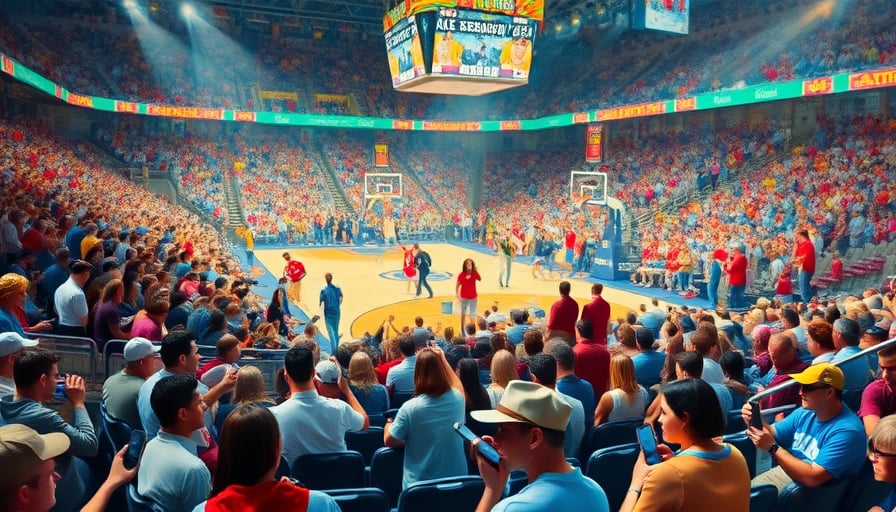
Physical venues—such as sports stadiums and convention centers—provide the social and atmospheric context that many bettors still crave. By integrating digital betting interfaces at these locations, DraftKings offers an elevated, friction‑less experience that satisfies both tech‑savvy users and those who prefer the communal feel of live events. This hybrid model leverages the growing trend of “experience‑first” consumption, where consumers prioritize moments that can be shared and remembered over mere product ownership.
Generational Spending Patterns and Lifestyle Trends
The shift in consumer behavior is particularly pronounced among Gen Z and Millennials, who value authenticity, personalization, and real‑time engagement. Their willingness to spend on experiential activities—such as attending live sports or participating in interactive betting—creates a fertile ground for platforms that can deliver instant, data‑rich entertainment. DraftKings’ mobile-first interface, coupled with real‑time odds updates and social sharing features, aligns closely with these preferences.
Older cohorts, while traditionally less inclined toward online betting, are increasingly embracing digital solutions due to improved user interfaces and the normalization of mobile transactions. This convergence of demographics expands DraftKings’ addressable market and underscores the importance of maintaining a diverse portfolio of user experiences that cater to varied comfort levels with technology.
Cultural Movements and Regulatory Dynamics
Cultural shifts toward greater acceptance of gambling—spurred by high‑profile sporting events, media coverage, and the gamification of everyday activities—have softened public perception and lowered barriers to entry. However, regulatory environments remain patchy, with state‑level legislation dictating the legal viability of online wagering. DraftKings’ emphasis on expanding into additional states, as noted by Jim Cramer, reflects a strategic response to these uneven regulatory landscapes. Each new market not only boosts revenue potential but also offers data insights that can refine predictive models and enhance betting accuracy.
The commentary from Johnny Avello regarding the NFL coaching hire illustrates the intricate link between sports culture and betting volumes. As leadership changes reverberate through fan sentiment, betting interest fluctuates, demonstrating how cultural events directly influence consumer spending within the platform. DraftKings’ real‑time analytics infrastructure allows the company to capitalize on these transient spikes, adjusting odds and promotional offers to maximize engagement.
Institutional Investor Confidence and Market Positioning
Institutional activity—evidenced by acquisitions from Independence Bank of Kentucky and the sale of shares by TOTH Financial Advisory Corp—signals a sustained confidence in DraftKings’ long‑term prospects. Such movements often reflect a deeper assessment of the company’s ability to navigate a rapidly evolving consumer landscape. Moreover, institutional backing can provide the capital needed for strategic expansions, technology upgrades, and marketing campaigns that reinforce the brand’s presence across both digital and physical touchpoints.
Forward‑Looking Analysis: Opportunities for the Consumer Sector
Omni‑Channel Retail Integration Companies that can deliver a unified experience—combining digital convenience with physical presence—will capture higher customer lifetime values. DraftKings’ model of pairing mobile wagering with on‑site event engagement offers a blueprint for other consumer sectors, such as retail, hospitality, and entertainment, to emulate.
Data‑Driven Personalization Leveraging real‑time consumer data to tailor offers, odds, and content can deepen engagement. This approach aligns with lifestyle trends favoring personalized experiences and can be translated to sectors such as fashion, travel, and food & beverage.
Generational Engagement Strategies Targeted marketing that speaks to Gen Z’s desire for authenticity and Millennials’ willingness to spend on experiences will remain critical. Brands that adapt their messaging and product design to these cohorts can secure loyalty and drive higher spend per user.
Regulatory Navigation as a Competitive Edge Firms that invest in compliance infrastructure and local market research will be better positioned to expand into new regions. This agility can be a differentiator in industries where regulatory approval is a significant barrier to entry.
Cultural Resonance Through Event Tie‑Ins Aligning product launches, promotions, or experiential events with major cultural or sporting milestones can create viral momentum. DraftKings’ responsiveness to NFL coaching changes illustrates how cultural touchpoints can be monetized effectively.
In conclusion, DraftKings’ trajectory exemplifies how a company can thrive by intersecting digital transformation with physical retail, capitalizing on shifting generational spending patterns, and leveraging cultural movements. The broader consumer sector can glean actionable insights from this model, positioning itself to harness societal shifts into tangible market opportunities.