Corporate Analysis: Navigating a Shifting Housing Landscape Through Digital‑Physical Synergies
The recent decline in D.R. Horton Inc.’s share price is emblematic of the broader contraction gripping the U.S. housing sector, driven in part by escalating geopolitical tensions and rising commodity costs. While the headline narrative focuses on macro‑economic headwinds—interest‑rate hikes, volatile oil prices, and supply‑chain disruptions—the underlying story is one of profound consumer‑behavioral change.
The Digital‑Physical Frontier in Homebuilding
As digital adoption accelerates across all retail channels, the home‑building industry faces a pivotal juncture. Millennials and Gen Z now expect seamless, data‑rich interactions from the first point of contact to move‑in day. D.R. Horton’s strategy of maintaining a robust backlog while managing construction costs can be reframed as an opportunity to integrate digital platforms that streamline project management, customer communication, and after‑sales support.
- Project Transparency: Real‑time dashboards for buyers to track construction milestones can reduce uncertainty, a key driver of hesitancy in a high‑interest environment.
- Virtual Staging & Augmented Reality: These tools allow prospects to visualize customizations without physical visits, reducing friction for remote buyers and expanding market reach.
- E‑Commerce of Home‑Essentials: By bundling home‑building with an online marketplace for furnishings and smart‑home devices, D.R. Horton can extend the consumer journey beyond the purchase, tapping into the growing “lifestyle” spend.
Demographic Shifts and Spending Patterns
The housing market is currently a cross‑section of divergent generational priorities:
| Generation | Key Priorities | Implications for Builders |
|---|---|---|
| Baby Boomers | Stability, senior‑friendly features | Opportunity for accessible, low‑maintenance homes |
| Generation X | Work‑life balance, space for remote work | Demand for adaptable floor plans, home‑office infrastructure |
| Millennials | Sustainability, technology integration | Preference for energy‑efficient materials, smart‑home systems |
| Gen Z | Experiential value, community | Desire for co‑living spaces, shared amenities |
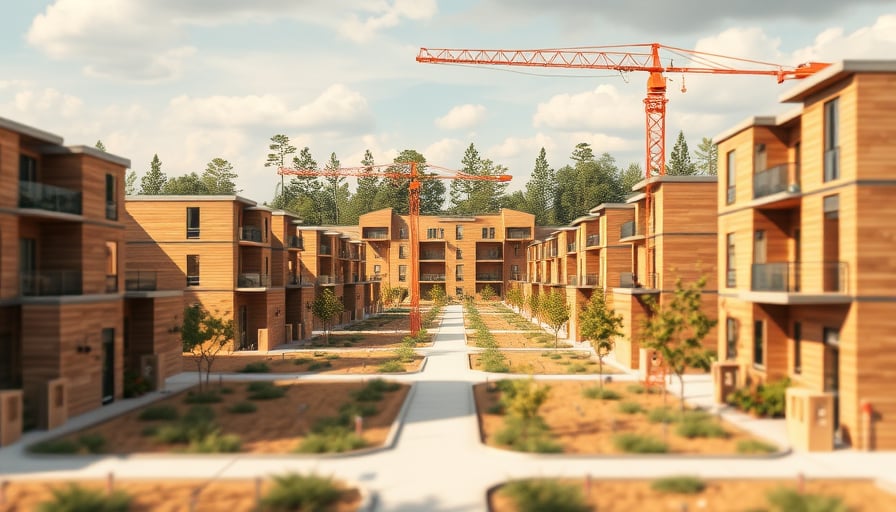
D.R. Horton’s existing portfolio can be recalibrated to cater to these nuanced demands. Incorporating green building certifications, flexible room configurations, and smart‑home infrastructure not only meets consumer expectations but also positions the company to capture higher margins through differentiated offerings.
Cultural Movements Driving Consumer Experience
The current zeitgeist—characterized by an emphasis on sustainability, health, and community—offers a roadmap for consumer engagement:
- Eco‑Conscious Living: Integration of renewable energy solutions and recycled materials can resonate with environmentally attuned buyers, potentially justifying premium pricing.
- Health‑Focused Design: Air‑purification systems, non‑toxic building materials, and wellness‑oriented layouts cater to a post‑pandemic health awareness surge.
- Community Integration: Features such as shared gardens, community hubs, and neighborhood connectivity align with the cultural shift toward localized, socially‑rich living environments.
By weaving these cultural elements into the core product, D.R. Horton can differentiate itself in an increasingly commoditized market.
Forward‑Looking Market Opportunities
- Digital Sales Platforms: Investing in AI‑driven customer service chatbots and predictive analytics can enhance lead conversion, especially under tightening credit conditions.
- Modular Construction Partnerships: Collaborating with modular manufacturers can reduce construction timelines, lower labor costs, and improve supply‑chain resilience—critical factors amid commodity volatility.
- Post‑Construction Services: Offering subscription‑based maintenance, upgrade packages, and smart‑home integration creates recurring revenue streams that offset the volatility of new‑home sales.
Conclusion
While macro‑economic pressures—rising interest rates and commodity price swings—currently suppress D.R. Horton’s share performance, the intersection of digital transformation, shifting generational expectations, and evolving cultural values offers a fertile ground for strategic innovation. By aligning its backlog strategy with digital‑physical integration, embracing generational spending patterns, and embedding contemporary lifestyle trends into its product offerings, the company can not only stabilize its operations but also unlock new growth avenues in an uncertain housing market.