
Corporate Analysis of DR Horton Inc. in the Context of Current Consumer Dynamics
DR Horton Inc. continues to function as a key developer of single‑family homes across the United States, maintaining a presence in the Midwest, Mid‑Atlantic, Southeast, Southwest, and Western regions. The company’s shares trade on the New York Stock Exchange and remain a staple within the consumer discretionary sector. Recent market data indicate a stable share price trajectory, and the firm’s valuation and earnings multiples suggest a resilient outlook when compared with broader market movements. Notably, the latest news cycle contains no major corporate announcements or earnings releases, implying a continuation of existing operational strategies and a steady market presence.
1. Digital Transformation Meets Physical Retail in Home Building
The residential real‑estate sector is at a crossroads where digital engagement increasingly shapes the consumer journey. DR Horton’s current focus on expansive geographic coverage dovetails with a growing demand for online property exploration, virtual staging, and digital mortgage underwriting. These digital tools reduce friction in the traditionally face‑to‑face purchase process, allowing buyers to navigate options, compare financing, and receive instant approvals from a smartphone or laptop.
For retailers of home‑building materials and furnishings, the integration of omnichannel strategies—combining brick‑and‑mortar showrooms with robust e‑commerce platforms—offers new revenue streams. Home‑builders can partner with these retailers to deliver curated “builder‑approved” kits that blend physical product quality with digital convenience. This symbiosis aligns with consumer expectations for seamless, technology‑enabled purchasing experiences while preserving the tactile reassurance of in‑store interactions.
2. Generational Spending Patterns and Housing Demand
The cohort dynamics shaping the housing market reveal a clear shift: Millennials and Generation Z, now a combined 55% of the U.S. population, prioritize experiential living and flexible financing. Their purchasing behavior is influenced by:
| Generation | Key Preferences | Implications for Builders |
|---|---|---|
| Millennials | Sustainable materials, smart‑home integration, walk‑able neighborhoods | Opportunity to market eco‑friendly homes with integrated tech |
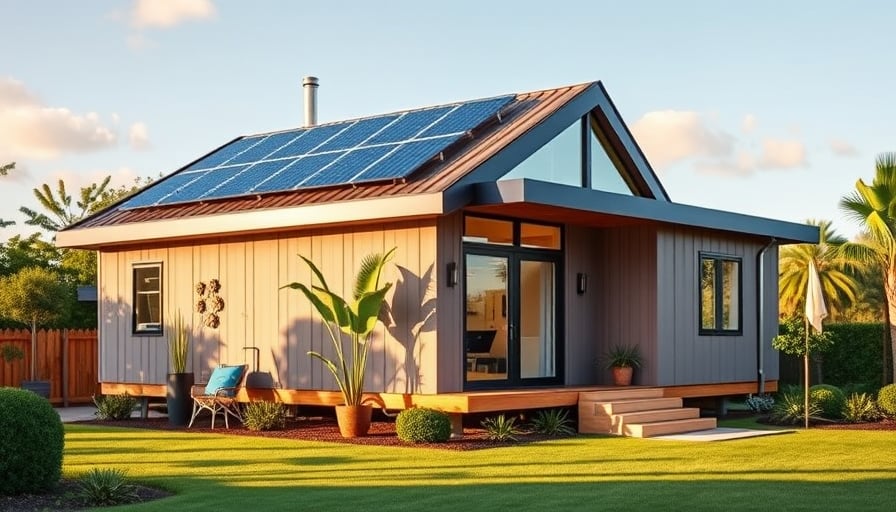
| Generation Z | Short‑term rentals, modular construction, low maintenance | Demand for modular or prefab housing solutions |
DR Horton’s continued presence in diverse regions positions it to capitalize on these trends. By incorporating modular construction and offering green‑building credits, the company can attract younger buyers seeking lower upfront costs and environmentally responsible options. Moreover, flexible financing products—such as lease‑to‑own or shared equity—could appeal to a demographic still establishing credit histories.
3. Cultural Movements Driving Consumer Experience Innovation
The rise of experiential consumerism—where purchasing decisions are influenced by lifestyle narratives—creates fertile ground for home developers. Key cultural currents include:
- Well‑being and Outdoor Access: Homes with extensive outdoor spaces, home gyms, and wellness amenities are increasingly valued.
- Tech‑Enabled Living: Integration of IoT devices for energy management, security, and convenience is becoming standard.
- Community Connectivity: Neighborhoods that facilitate social interaction, such as shared courtyards and co‑working hubs, resonate with a desire for community.
DR Horton can differentiate itself by designing developments that embed these cultural priorities into the physical layout—offering on‑site wellness centers, community gardens, and high‑speed broadband infrastructure. Such features elevate the home-buying experience beyond mere shelter, aligning product offerings with contemporary lifestyle aspirations.
4. Forward‑Looking Market Opportunities
| Opportunity | Strategic Action | Expected Outcome |
|---|---|---|
| Digital‑First Sales Channels | Develop a unified online platform for property tours, financing, and post‑purchase services | Increase conversion rates and reduce sales cycle time |
| Sustainable Building Practices | Adopt LEED certification and use renewable materials | Capture premium pricing and attract eco‑conscious buyers |
| Modular & Prefab Construction | Expand modular production capacities | Reduce construction time, lower costs, and appeal to younger buyers |
| Community‑Centric Developments | Design shared amenities (co‑working, wellness, green spaces) | Enhance resale value and foster brand loyalty |
| Flexible Financing Solutions | Partner with fintech firms for alternative mortgage products | Expand market reach to first‑time and underserved buyers |
These initiatives are rooted in observable shifts: the digital‑native consumer’s expectation of seamless online interactions, the younger generation’s preference for flexible ownership models, and a cultural pivot toward sustainability and community. By aligning operational strategies with these dynamics, DR Horton can reinforce its market position, drive incremental revenue growth, and maintain resilience amid broader economic volatility.
5. Conclusion
DR Horton Inc.’s stable market presence, combined with its geographic breadth, provides a strong platform to ride the wave of evolving consumer behaviors. The intersection of digital transformation and physical retail in homebuilding offers pathways to enhance the buying experience, while generational spending patterns and cultural movements signal new product and service opportunities. Forward‑looking investments in technology, sustainability, modular construction, and community design will not only meet contemporary consumer expectations but also unlock measurable financial value for the company’s stakeholders.