DoorDash’s Grocery Gamble: A Digital‑Physical Retail Playbook for the Next Decade
DoorDash Inc.’s recent acquisition of Instacart marks a decisive pivot from a pure‑play food‑delivery service to a broader consumer logistics platform. The deal, valued at a premium to prior market estimates, positions the combined entity with an estimated one‑fifth share of the U.S. online grocery market, trailing Amazon’s 40 % and Walmart’s 27 %. While the transaction offers an expanded delivery network and a richer product assortment, the move also foregrounds a series of structural shifts in consumer behaviour, demographic dynamics, and cultural currents that could either elevate DoorDash into a dominant player or leave it stranded amid entrenched incumbents.
1. Digital‑Physical Synergy in the Age of “Omni‑Channel”
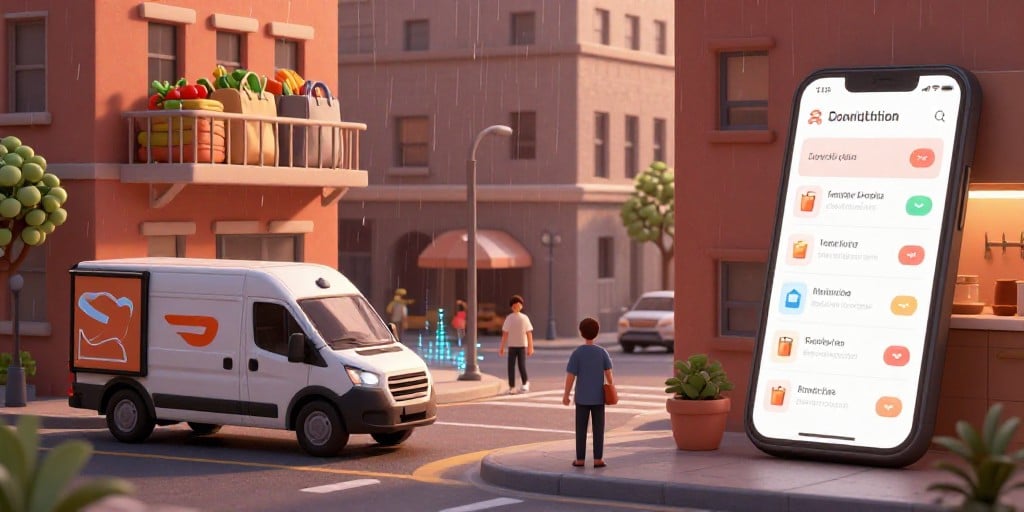
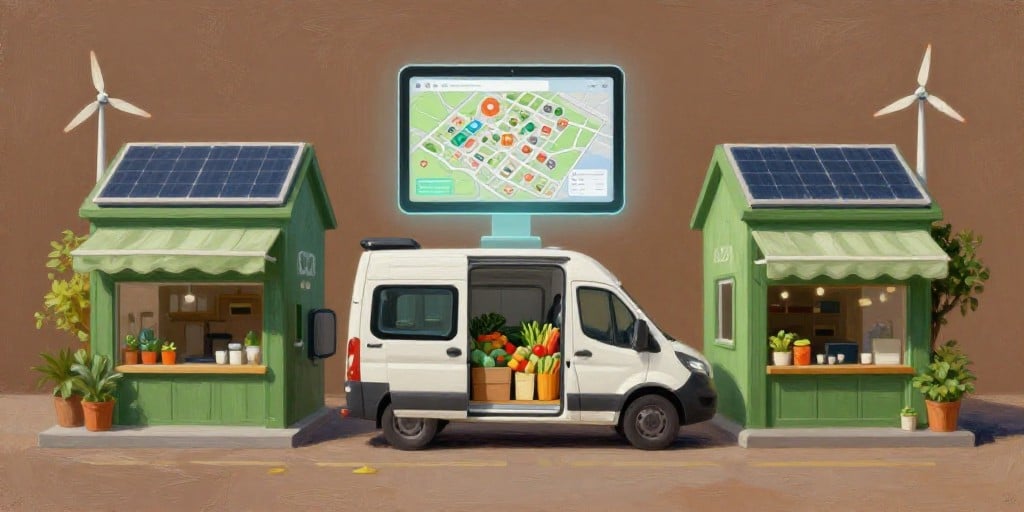
The rise of digital commerce has not eliminated brick‑and‑mortar retail; it has redefined it. Contemporary shoppers increasingly expect a seamless blend of online ordering and instant, low‑friction pickup or delivery. DoorDash’s strategic emphasis on DashMarts—dark stores that function as micro‑fulfilment centres—exemplifies this convergence. By situating inventory closer to consumers, DashMarts reduce last‑mile latency, lower carbon footprints, and enable dynamic pricing that aligns with real‑time demand.
For Millennials and Gen Z, who prioritize convenience and experiential shopping, the physical presence of a “store” that is invisible yet instantly reachable through an app satisfies the appetite for immediacy without sacrificing the tactile reassurance that a physical pick‑up point offers. The integration of autonomous delivery vehicles, as highlighted by DoorDash’s CEO, further pushes the envelope, promising cost efficiencies and scalability once initial capital expenditures are amortised.
2. Demographic Shifts and Generational Spending Patterns
The United States is experiencing a demographic transition characterised by a larger, more affluent, and digitally‑savvy middle class. Millennials—now the largest consumer cohort—have a higher propensity to spend on convenience goods and premium experiences, while Gen Z increasingly values sustainability and social responsibility in their purchasing decisions. These cohorts are also more inclined to adopt emerging payment methods and digital wallets, which DoorDash can leverage to streamline checkout and loyalty programmes.
However, grocery shopping remains a category dominated by older consumers who still value in‑person interaction and perceive online grocery services as secondary. DoorDash’s success will depend on its ability to capture a meaningful share of these traditional shoppers by offering curated, locally sourced options and transparent sourcing narratives—elements that resonate with the growing “buy‑local” movement.
3. Cultural Movements Driving New Consumer Expectations
Several cultural currents are converging to reshape the grocery sector:
- Health & Wellness – A sustained emphasis on plant‑based diets, organic produce, and functional foods is reshaping inventory requirements. DoorDash can differentiate through exclusive partnerships with boutique producers and curated wellness bundles.
- Sustainability – Eco‑conscious consumers are demanding zero‑plastic packaging and carbon‑neutral delivery. DoorDash’s dark‑store model can incorporate renewable energy sources and circular packaging solutions, creating a narrative that appeals to the values of Gen Z and Millennials.
- Community & Localism – There is a renewed interest in local economies and artisanal products. By integrating local suppliers into its network, DoorDash can foster community engagement and brand loyalty, turning the platform into a cultural touchstone rather than a mere delivery service.
4. Market Challenges and Competitive Dynamics
Despite the strategic advantages, DoorDash faces formidable obstacles:
| Challenge | Implication for DoorDash |
|---|---|
| Capital Intensity | Large upfront costs for dark‑store development and autonomous fleet acquisition could strain cash flow, especially if grocery volumes do not scale rapidly. |
| Pricing Power | Amazon and Walmart enjoy deep discount cycles and extensive supply chains that could undercut DoorDash’s margins if it cannot achieve comparable efficiencies. |
| Regulatory Scrutiny | The grocery sector is subject to stringent food‑safety and labour regulations, potentially leading to compliance costs that erode profitability. |
| Advertising Revenue | Unlike Amazon’s robust advertising ecosystem, DoorDash’s current model generates limited ad revenue, limiting diversification of income streams. |
| Investor Sentiment | The valuation drop from 70x to 40x earnings reflects market scepticism about the pace and sustainability of DoorDash’s expansion. |
The recent partnership between Amazon and Uber Eats—offering free delivery for Prime members—demonstrates how incumbents can quickly counteract new entrants by leveraging existing customer bases. While the deal does not dramatically alter overall market share, it signals that Amazon and Walmart will continue to fortify their logistical arsenals to defend their retail dominance.
5. Forward‑Looking Analysis: Market Opportunities for DoorDash
Hybrid Experience Hubs DoorDash can transform select DashMarts into experiential hubs that blend digital ordering with in‑store interactions—e.g., pop‑up farmers markets, recipe workshops, or tech demos. These hubs would reinforce the brand as a community anchor, attracting foot traffic and enhancing customer loyalty.
Data‑Driven Personalisation Leveraging machine learning to predict purchase patterns and suggest personalised bundles can increase basket size and repeat visits. Integrating health‑tracking APIs could align product recommendations with users’ fitness or dietary goals.
Subscription Models Introducing a tiered subscription offering priority delivery, exclusive discounts, and early access to new suppliers could capture a segment of revenue‑conscious shoppers and create a predictable income stream.
Strategic Alliances with Local Producers By partnering with regional farms and artisanal producers, DoorDash can tap into the growing demand for locally sourced foods, differentiating itself from the “one‑size‑fits‑all” model of larger competitors.
Sustainability as a Competitive Edge Investing in electric delivery vehicles, biodegradable packaging, and carbon‑offset programmes can position DoorDash as the eco‑friendly choice for socially conscious consumers, opening new marketing avenues and potential regulatory incentives.
6. Conclusion
DoorDash’s acquisition of Instacart is more than a vertical expansion; it is a strategic attempt to reposition itself within a rapidly evolving retail landscape where digital convenience and physical experience converge. Success will hinge on the company’s capacity to marshal significant capital, navigate entrenched supply chains, and authentically align with the lifestyle, demographic, and cultural trends that define modern consumption. While investor sentiment remains cautious, the forward‑looking opportunities—if pursued with precision—could enable DoorDash to carve a sustainable niche in the grocery and broader logistics arena, transforming it from a delivery facilitator into a holistic consumer experience platform.