Corporate News: Strategic Implications of DoorDash’s Potential Acquisition of Instacart
DoorDash Inc. is reported to be in advanced negotiations to acquire Instacart, the high‑growth grocery‑delivery platform that went public in 2023. While the transaction has not yet been formally announced, market intelligence suggests that a deal, if completed later this week, would value Instacart at a substantial premium to its current market position. The acquisition would cement DoorDash’s dominance in on‑demand delivery and expand its reach into the grocery‑e‑commerce segment, complementing the company’s existing partnerships with major retailers such as Kroger, Safeway, Aldi, Macy’s, CVS, and Target.
1. Market Dynamics Across Consumer Goods Categories
| Consumer Category | Current Trend | Key Driver | Impact on DoorDash |
|---|---|---|---|
| Grocery‑E‑Commerce | Rapid expansion, pandemic‑accelerated shift to online | Convenience, contactless delivery | Opportunity for scale, deeper integration |
| Restaurant Delivery | Mature, high competition | Value‑added services (e.g., pickup, curbside) | Need for diversification to sustain margins |
| Retail Partnerships | Increased omnichannel demand | Brand experience, data sharing | Enhanced cross‑sell, loyalty programs |
| Supply‑Chain Tech | Automation, data analytics | AI‑driven routing, inventory visibility | Cost reductions, service reliability |
Cross‑sector patterns show a convergence toward omnichannel retailing, where consumers expect seamless transitions between physical and digital touchpoints. Both grocery‑e‑commerce and restaurant delivery are moving from isolated “apps” to integrated ecosystems that leverage shared logistics, payment, and customer‑relationship platforms.
2. Omnichannel Retail Strategies
- Unified Fulfilment Network
- DoorDash’s existing last‑mile network, combined with Instacart’s specialized grocery fulfilment, would create a single logistics backbone that serves both perishable and non‑perishable goods.
- Shared micro‑fulfilment hubs could reduce delivery times by up to 30 % in metropolitan cores, a critical metric for grocery‑e‑commerce.
- Cross‑Product Bundling
- Bundling restaurant meals with grocery deliveries (e.g., “meal‑prep kits”) can increase basket size and frequency.
- Data analytics could predict consumer preferences, allowing personalized offers across categories.
- Unified Customer Experience
- A single user interface would enable loyalty points to be earned and redeemed across all services.
- Unified customer support and AI‑powered chatbots can reduce churn by resolving issues swiftly across product lines.
- Data‑Driven Insights
- Integration of transaction data from both platforms will enhance predictive analytics for demand forecasting, inventory management, and dynamic pricing strategies.
3. Consumer Behavior Shifts
- Convenience as Premium: Post‑pandemic consumers are willing to pay a premium for seamless, contact‑less delivery. Instacart’s proven ability to deliver groceries within an hour satisfies this demand.
- Health & Sustainability Concerns: Grocery consumers increasingly look for local sourcing and sustainable packaging, areas where DoorDash can collaborate with partners like Aldi and Kroger to offer curated sustainable product lines.
- Experience Over Price: While price sensitivity remains, consumers are more willing to pay extra for curated experiences—such as “chef‑curated grocery kits” that integrate restaurant‑style ingredients.
These shifts suggest that a combined DoorDash–Instacart platform could capture both the convenience‑seeking grocery demographic and the experience‑driven restaurant demographic, thereby smoothing revenue volatility.
4. Supply‑Chain Innovations
- AI‑Optimized Routing
- Combining data sets from both platforms will allow machine‑learning models to predict traffic patterns, weather impacts, and demand spikes more accurately, reducing idle driver hours.
- Dynamic Inventory Management
- Real‑time inventory visibility across partner retailers will mitigate stockouts and improve fulfillment accuracy, crucial for perishable goods.
- Sustainability Metrics
- DoorDash can deploy carbon‑tracking tools across deliveries, offering “green” delivery options that appeal to eco‑conscious consumers and satisfy regulatory expectations.
- Last‑mile Automation
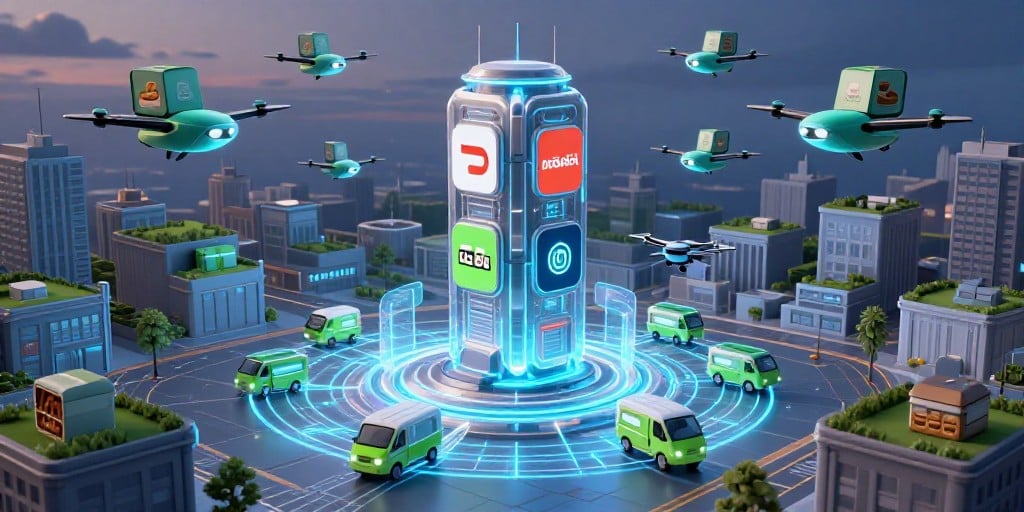
- Investment in autonomous delivery units (e.g., drones, autonomous vehicles) could be accelerated, reducing labor costs and increasing service reliability.
5. Short‑Term Market Movements
- Instacart’s Stock: The share price has risen since the announcement of talks, reflecting investor optimism about a premium valuation and expanded market reach.
- DoorDash’s Stock: Shares fell after the same news, indicating concerns over integration costs, regulatory hurdles, and potential dilution.
- Competitive Landscape: Uber’s withdrawal from the deal signals a consolidation in the on‑demand delivery space, reducing competitive pressure on DoorDash but also highlighting the strategic importance of securing a grocery partner.
6. Long‑Term Industry Transformation
- Erosion of Traditional Boundaries: The merger exemplifies the blurring lines between grocery and restaurant delivery, pointing to a future where on‑demand platforms become comprehensive lifestyle services.
- Increased Market Consolidation: As companies strive for scale to achieve cost efficiencies, we can expect further consolidation, especially among platforms offering overlapping services.
- Regulatory Scrutiny: Antitrust concerns will intensify as platforms grow, particularly around data usage, labor classifications, and market dominance in specific regions.
- Shift Toward Sustainable Delivery: The integration of supply‑chain innovations will accelerate the adoption of sustainable delivery practices, shaping consumer expectations and regulatory standards.
7. Strategic Outlook
If the acquisition goes through, DoorDash will position itself as the premier on‑demand platform for both food and grocery, leveraging cross‑category synergies to:
- Drive Revenue Growth: Through bundled services and expanded customer base.
- Improve Margins: Via shared logistics and reduced per‑delivery costs.
- Enhance Brand Equity: By offering a seamless, data‑rich consumer experience that differentiates it from fragmented competitors.
However, the deal’s success hinges on overcoming integration challenges—data interoperability, regulatory approvals, and maintaining supplier and driver relationships—while capitalizing on the emerging omnichannel retail wave.
In sum, the potential DoorDash–Instacart merger reflects a strategic pivot toward integrated consumer‑goods delivery, aligning with long‑term trends in omnichannel retail, evolving consumer preferences, and supply‑chain innovation. The industry will watch closely as the market adjusts to a new, more consolidated on‑demand delivery landscape.