Corporate Insights: DoorDash’s Strategic Trajectory in the Autonomous Delivery Landscape
DoorDash Inc. has reaffirmed its position as a pivotal player in the on‑demand delivery sector, attracting both institutional capital and strategic alliances that signal a decisive pivot toward autonomous last‑mile logistics. The firm’s latest filings and partnership announcements illuminate a broader industry trend: a convergence of technology innovation, consumer demand for speed and convenience, and an evolving supply‑chain paradigm that prioritizes flexibility and resilience.
Autonomous Delivery as a Catalyst for Market Expansion
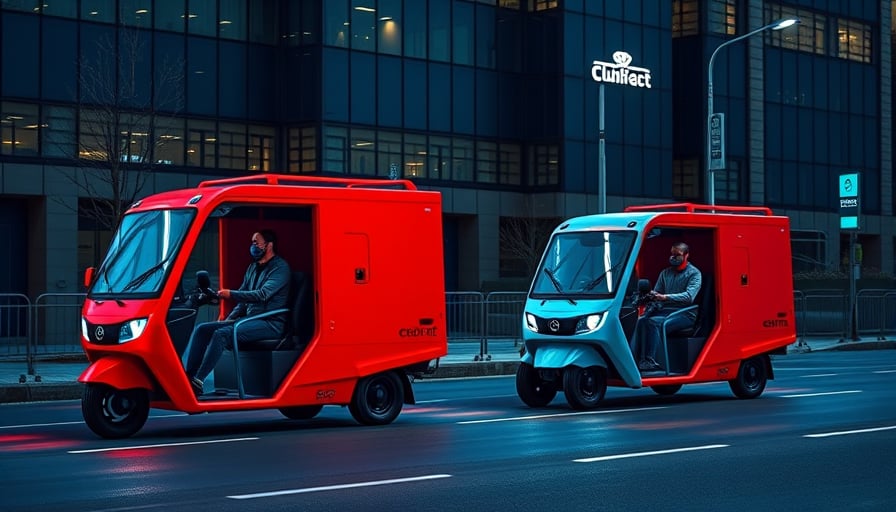
In late March, DoorDash disclosed a multi‑year agreement with a Rivian‑spin‑off electric‑bike startup, a venture that has recently surpassed the $1 billion valuation milestone. The deal involves deploying a fleet of small autonomous vehicles to enhance delivery efficiency across densely populated urban corridors. By integrating autonomous units into its existing logistics network, DoorDash aims to:
- Reduce per‑delivery labor costs through automation, thereby improving margin profiles amid fluctuating wage expectations.
- Mitigate fuel‑price volatility that has recently strained gig‑economy drivers, as autonomous vehicles can operate on electric power and optimize routing for energy efficiency.
- Accelerate geographic coverage, allowing DoorDash to penetrate new markets where driver shortages or regulatory constraints limit traditional human‑based delivery.
This move is consistent with a cross‑sector pattern where logistics, mobility, and technology firms are converging to offer integrated, low‑touch delivery experiences. Similar collaborations—such as Amazon’s partnership with Rivian for autonomous delivery vans—highlight the sector’s collective push toward electrified, software‑driven last‑mile solutions.
Investor Sentiment and Capital Allocation
The entry of Cathie Wood’s ARK Invest into DoorDash’s equity portfolio underscores continued confidence in the company’s growth trajectory. ARK’s broader strategy, which also targets emerging tech names like OpenAI and CoreWeave, positions DoorDash within a portfolio of high‑growth, technology‑centric assets. The investment reflects an expectation that DoorDash’s autonomous initiatives will yield scalable returns and potentially create a new competitive moat against traditional delivery providers.
From a corporate strategy standpoint, active fund participation brings:
- Enhanced visibility to the broader market, potentially catalyzing further institutional interest.
- Pressure for transparency and timely disclosure of progress on autonomous deployment milestones.
- A potential catalyst for strategic partnerships with other technology firms looking to integrate DoorDash’s platform into their own ecosystems.
Operational Pressures Amid Fuel‑Cost Inflation
Rising gasoline and diesel prices, exacerbated by regional geopolitical tensions, continue to erode delivery margins for drivers. DoorDash and its peers have responded with temporary incentive programs designed to offset fuel expenses. However, the effectiveness of these measures remains under scrutiny:
- Driver Satisfaction: While short‑term incentives improve morale, they may not fully compensate for the long‑term financial burden of escalating fuel costs.
- Regulatory Oversight: Lawmakers are increasingly concerned about the sustainability of gig‑economy compensation models, especially when tied to commodity price fluctuations.
- Consumer Impact: If driver compensation gaps widen, there may be a ripple effect on delivery speeds and reliability, potentially eroding consumer trust in the platform.
The company’s shift toward autonomous vehicles offers a strategic hedge against fuel‑price volatility, but it also introduces new operational dependencies—such as battery management, charging infrastructure, and software reliability—that will require careful governance.
Omnichannel Retail Innovation and Consumer Behavior
DoorDash’s strategic initiatives are situated within a broader trend of omnichannel retailing, where consumers expect seamless integration between online ordering and physical fulfillment. Key observations include:
- Demand for Speed and Flexibility: Consumers increasingly prioritize same‑day or even real‑time delivery, driving platforms to streamline last‑mile logistics through automation.
- Preference for Contactless Interaction: The pandemic has entrenched a desire for contactless deliveries, a feature that autonomous vehicles can satisfy while reducing human contact risks.
- Value of Data-Driven Personalization: Leveraging real‑time data from autonomous delivery units can enhance predictive routing, inventory management, and personalized promotions.
By aligning its autonomous strategy with these consumer expectations, DoorDash positions itself not merely as a delivery service but as a key enabler of the omnichannel retail ecosystem.
Long‑Term Transformation Outlook
Short‑term market movements—such as ARK Invest’s entry and the launch of autonomous vehicle partnerships—are indicative of an industry in transition. Over the next decade, several long‑term transformation drivers are expected to shape DoorDash’s evolution:
- Ecosystem Integration: Partnerships with automotive OEMs, battery suppliers, and logistics tech firms will become crucial for scaling autonomous fleets.
- Regulatory Landscape: Governments worldwide are developing frameworks for autonomous vehicle deployment, which will influence operational timelines and cost structures.
- Sustainability Imperatives: A global push toward carbon neutrality will further incentivize electric autonomous delivery, aligning corporate social responsibility goals with business strategy.
- Data Monetization: Accumulated operational data offers opportunities for monetizing logistics intelligence across supply chains, potentially creating new revenue streams.
In conclusion, DoorDash’s recent strategic investments and funding activities demonstrate a deliberate focus on autonomous delivery as a lever for long‑term competitive advantage. While operational challenges—particularly those related to fuel‑price volatility and driver compensation—continue to shape its immediate environment, the company’s trajectory aligns with broader industry patterns that favor technology-driven, consumer‑centric, and sustainability‑oriented solutions.