
Executive Summary
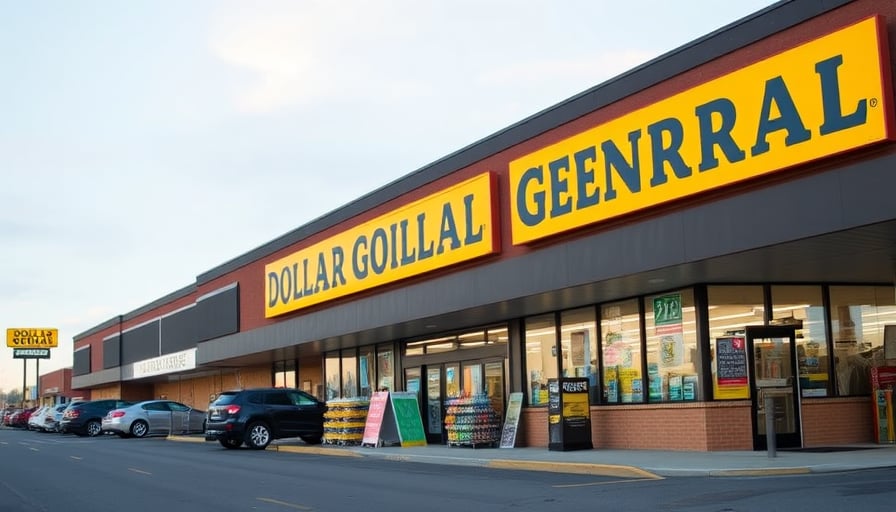
Dollar General Corp. (NYSE: DG) continues to demonstrate robust financial performance and strategic resilience in the consumer‑staples arena. A recent review of the company’s decade‑long share‑price trajectory highlighted an investment of $10,000 growing to more than twice its original value, underscoring the firm’s capacity to generate durable value for shareholders. With a market capitalisation hovering around $32 billion, DG remains a pivotal player in the discount‑retail segment, offering a broad catalogue that spans food, household essentials, personal care, and seasonal goods.
While no new corporate actions, earnings releases, or policy shifts have emerged in the short term, the company’s persistent emphasis on operational efficiency, omnichannel integration, and supply‑chain agility positions it favorably to capture evolving consumer preferences and long‑term market shifts.
Market Context
The consumer‑staples sector is experiencing a confluence of forces that reshape retail dynamics:
- Evolving Purchasing Power – Inflationary pressures and wage stagnation are nudging consumers toward discount retailers, reinforcing Dollar General’s value proposition.
- Digital Disruption – The pandemic accelerated e‑commerce adoption, yet many low‑margin consumers still favour in‑store convenience.
- Sustainability Imperatives – Growing demand for environmentally responsible products is driving innovation in packaging, sourcing, and logistics.
Against this backdrop, DG’s strategic focus on low‑cost operations, high‑turnover assortments, and a strong footprint in underserved markets ensures continued relevance.
Consumer Goods Trends
| Category | Current Trend | Implication for Dollar General |
|---|---|---|
| Food & Beverages | Shift toward “health‑first” staples and ready‑to‑eat convenience | Opportunities to expand private‑label healthy lines |
| Household Essentials | Demand for eco‑friendly cleaning and laundry products | Potential for brand‑owned sustainability initiatives |
| Personal Care | Rise in “do‑it‑yourself” grooming and natural ingredients | Private‑label grooming kits can capture niche segments |
| Seasonal & Gift | Increased online holiday sales | Enhance omnichannel fulfillment during peak periods |
Cross‑sector analysis reveals a consistent appetite for value‑oriented, high‑frequency purchase items, especially in lower‑income ZIP codes—a demographic core to Dollar General’s portfolio.
Retail Innovation
Omnichannel Integration
DG has progressively invested in a unified customer experience that blends physical storefronts with digital touchpoints:
- Click‑and‑Collect: Expansion of curbside pickup zones boosts convenience while preserving in‑store traffic.
- Digital Price‑Matching: Real‑time online price synchronization with in‑store discounts reduces price friction.
- Mobile Engagement: A streamlined app offers personalized deals, store navigation, and loyalty rewards.
These initiatives help bridge the gap between traditional discount retailing and the expectations of digitally savvy consumers.
Store‑Layout Evolution
The retailer’s “open‑floor” layout, combined with strategic product placement, encourages impulse purchases while maintaining inventory visibility. A data‑driven approach to shelf space allocation, supported by AI analytics, ensures that high‑turnover items receive optimal exposure.
Supply Chain Innovations
Vendor‑Managed Inventory (VMI) DG’s partnership with key suppliers to implement VMI reduces stockouts and minimizes excess inventory, lowering carrying costs.
Last‑Mile Optimization Collaborative logistics hubs near dense urban centers enable faster curbside pickup and same‑day delivery in select markets.
Sustainable Logistics Incremental adoption of electric delivery vehicles in pilot regions aligns with broader environmental commitments and can reduce fuel expenses in the long run.
These supply‑chain levers not only enhance operational efficiency but also reinforce the brand’s commitment to responsible stewardship.
Brand Positioning
Dollar General remains firmly positioned as “everyday low‑price” retailer. However, strategic narrative shifts are underway to emphasize:
- Affordability Meets Quality: Highlighting private‑label products that deliver superior value.
- Community Stewardship: Local store partnerships and charitable initiatives enhance brand loyalty.
- Digital Savvy: Positioning the retailer as a seamless blend of in‑store convenience and online accessibility.
By weaving these themes into marketing campaigns, DG can attract both price‑sensitive shoppers and those increasingly concerned with brand integrity.
Strategic Outlook
Short‑Term Market Movements
- Stock Performance: The decade‑long appreciation of DG’s share price reflects investor confidence in its low‑cost business model.
- Economic Sensitivity: Continued inflation and supply‑chain disruptions may temporarily suppress discretionary spend but bolster demand for discount staples.
Long‑Term Industry Transformation
- Digital Adoption: Omnichannel maturity will become a key differentiator; early movers gain competitive advantage.
- Sustainability Integration: Regulatory pressures and consumer expectations will necessitate deeper environmental commitments.
- Data‑Driven Operations: Leveraging real‑time analytics across merchandising, logistics, and customer engagement will drive profitability.
Dollar General’s ability to align short‑term tactical moves—such as expanding curbside pickup and tightening inventory control—with a long‑term vision of digital omnichannel and sustainability will be pivotal in sustaining its market leadership.
Conclusion
Dollar General’s sustained share‑price growth, coupled with a disciplined approach to cost management and a forward‑looking investment in omnichannel retail, positions it favorably amid dynamic consumer‑goods trends. While no immediate corporate actions signal a drastic shift, the company’s strategic initiatives in supply‑chain optimization, digital integration, and brand repositioning underscore its readiness to navigate both the immediate economic landscape and the evolving long‑term retail ecosystem.